Full Article
about Yanguas de Eresma
In the Eresma valley; noted for its church and old train station.
Ocultar artículo Leer artículo completo
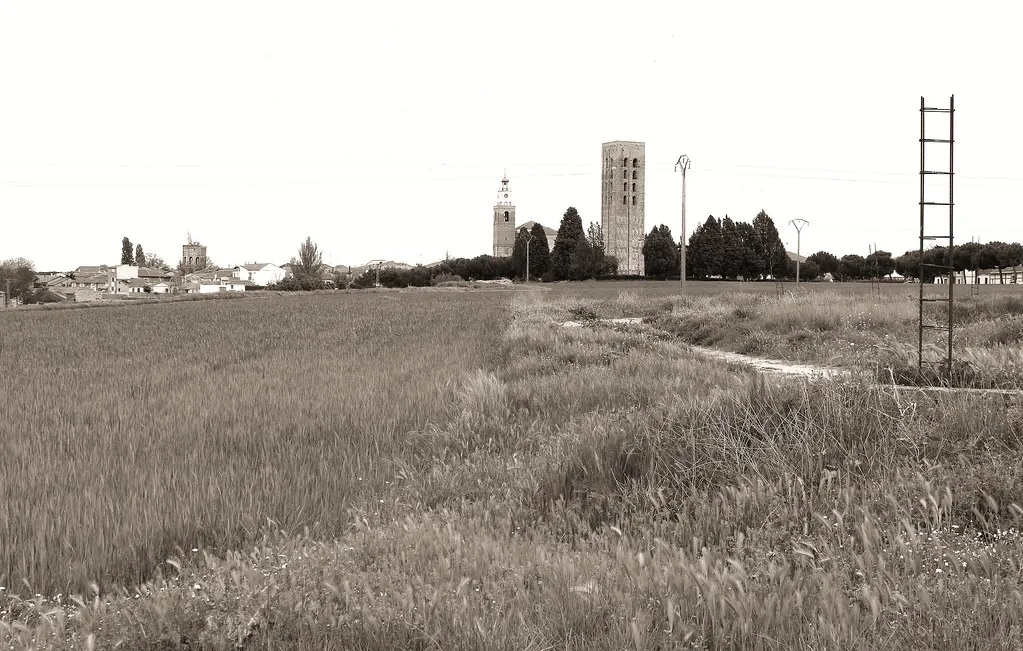
The cereal fields stop abruptly. One moment you're driving through an ocean of wheat stubble, the next you're threading between Scots pines that throw long shadows across the track. At 870 metres above sea level, Yanguas de Eresma sits where the Segovian plain frays into forest, a scatter of stone houses that looks exactly south-west when the evening sun ignites the straw-coloured landscape.
This is farming country first, tourism destination second. Tractors still outnumber cars on the single road that loops through the village, and the loudest sound at midday is usually a combine harvester somewhere beyond the pines. The 120-odd inhabitants maintain the same rhythms their grandparents knew: sowing in October, harvesting in July, burning pruning piles when the first frosts arrive. Visitors who expect gift shops or guided walks will leave disappointed. Those happy to wander unsignposted tracks and watch red kites circling over recently cut barley often stay longer than planned.
Adobe, Stone and Timber
The village architecture tells its own story about making do with what's to hand. Lower walls are built from honey-coloured limestone dragged from nearby quarries; upper sections switch to adobe bricks the colour of dry biscuit. Timber doorways, blackened by centuries of sun, sit slightly crooked in their frames – the sort of honest imperfection that restoration projects usually erase. Rooflines sag like well-worn saddles, yet the church tower keeps perfect vertical alignment, a compass point for anyone walking back after dark.
Inside the single-nave parish church, the air smells of beeswax and extinguished candles. The baroque altarpiece was carved when the village population stood closer to 400, funded by families who'd made modest fortunes selling wool to Flemish merchants. Their coats of arms appear above the side chapels: wolves, wheat sheaves, a rather confused-looking lion that suggests the stonemason worked from description alone. Sunday mass still draws a congregation that fills barely six pews; arrive five minutes early and you'll hear the bell-ringer climb the tower, his progress marked by the clunk of wooden stairs overhead.
Walking Without Waymarks
Official hiking routes don't exist here, which suits the regular visitors just fine. What you get instead is a lattice of agricultural tracks that fan out from the village edge. One heads north through pine plantations where Spanish families pick mushrooms after October rain. Another drifts south across open steppe where calandra larks rise vertically from the wheat, singing with wings that sound like paper ripping. The gradients rarely trouble anyone capable of a Lake District stroll; altitude gain is measured in tens, not hundreds, of metres.
Early risers catch the best light. By seven o'clock the sun has cleared the eastern forest, illuminating dust motes that hang above the threshing floors. Roe deer feed along the field margins, unconcerned by walkers who stick to the tractor ruts. Bring binoculars: you'll need them to separate the distant silhouettes of buzzards from the short-toed eagles that summer here, both species riding thermals above the same thermal belt that makes Segovia's evenings so pleasant.
Summer walking requires planning. Temperatures regularly touch 34°C by eleven o'clock, and shade exists only where pine plantations meet the cereal strips. Carry more water than you think necessary – the village fountain provides potable refills, but the nearest bar is ten kilometres away in Carbonero el Mayor. Spring and autumn prove kinder: April brings green wheat that ripples like fur stroked the wrong way, while October turns everything to bronze and the smell of woodsmoke drifts from farmhouse chimneys.
Roast Lamb and Railway Sleepers
Food options inside Yanguas de Eresma are precisely zero. The last grocer closed when the owner's daughter inherited a bar in Segovia, and the nearest restaurant sits a twenty-minute drive towards the A-6 motorway. Smart visitors phone ahead to Casa Rural San Pedro de Caldas, the converted station building on the village fringe. María Jesús, who manages the property for extended families, will roast a whole Segovian lamb in the original wood-fired oven if you give her twenty-four hours' notice. The meat arrives with crackling the colour of burnished mahogany, portion sizes calculated for Spanish appetites that make British Sunday roasts look cautious.
The station itself deserves a mention. Passengers last boarded here in 1974, yet the platform still runs parallel to a weed-choked track bed where rails rust quietly into the gravel. Inside, bedrooms retain their enamel station signs – 'Segovia 47 km' above one headboard, 'Valladolid 89 km' above another. The swimming pool occupies what was once the goods yard; lengths are accompanied by the cooing of collared doves that nest in the warehouse roof. Wi-Fi exists but operates at speeds last seen in British rural libraries circa 2005, sufficient for checking weather forecasts and little else.
Winter visitors should manage expectations. Night temperatures drop to -8°C during January and February, common enough for central Spain but startling if you've driven up from Madrid's milder plateau. The station house has proper heating and fireplaces thick enough to roast an ox, but village streets remain unlit after midnight – bring a torch for the walk back from whichever neighbour has invited you in for anise liqueur. Snow arrives sporadically, rarely settling longer than forty-eight hours, though the road from Segovia can glaze over quickly enough to justify carrying tyre chains.
When to Make the Detour
British travellers usually pass this way as an afterthought, having booked Segovia's aqueduct and found city hotels full during Easter week. The diversion adds twenty-five minutes to any itinerary heading towards Valladolid or Salamanca, country driving on roads empty enough to make the M25 feel like fiction. April and late-September provide the sweet spot: daylight lasts until eight-thirty, temperatures hover in the low twenties, and the wheat either glows emerald or turns the colour of digestive biscuits depending on which season you've chosen.
Avoid August if silence is your thing. The village fiesta brings temporary population inflation to roughly 400, most of them related to the permanent residents, all of them convinced the British are slightly mad for choosing to walk during siesta time. Accommodation prices don't fluctuate – the station house still charges per room rather than per person – but availability disappears faster than tapas at a family wedding. Book early, or resign yourself to driving back to Segovia after midnight when the dancing finally stops and someone's uncle remembers the foreigners promised to try local moonshine.
Come December, you'll share the landscape with hunters rather than hikers. Saturday mornings echo with shotgun reports as organised shoots work the partridge estates that border the cereal farms. The birds are wild, not the dubious releases that give British driven shoots a bad name, but orange-clad figures pacing the field margins still shatter any illusion of wilderness. Stick to the forest tracks on weekends and you'll avoid both the guns and the inevitable explanations about why the UK banned traditional hunting practices.
Leave before sunrise if you're catching an early flight from Madrid. The A-6 motorway swallows traffic from Valladolid, and weekday queues build from the Guadarrama tunnel eastwards. Factor ninety minutes to reach Barajas terminal, longer if agricultural lorries are delivering the same wheat you watched growing outside your bedroom window. That image – cereal becoming flour becoming the bread you'll eat back home – lingers longer than most holiday snapshots. Yanguas de Eresma doesn't do drama or spectacle; it simply continues the agricultural cycle that created this landscape, indifferent to whether anyone watches or not.