Full Article
about Bahabón
Small hill town overlooking the riverbank; known for its quiet and its medieval parish church.
Hide article Read full article
Arriving Almost by Accident
Some places you travel to with a clear plan. Others appear almost by chance. Tourism in Bahabón leans firmly towards the second. Driving across the Castilian plateau, with cereal fields stretching out on both sides, the village suddenly comes into view on a small rise. You slow down, park near the church, and within minutes it becomes clear that the most persistent sound here is often the call of magpies.
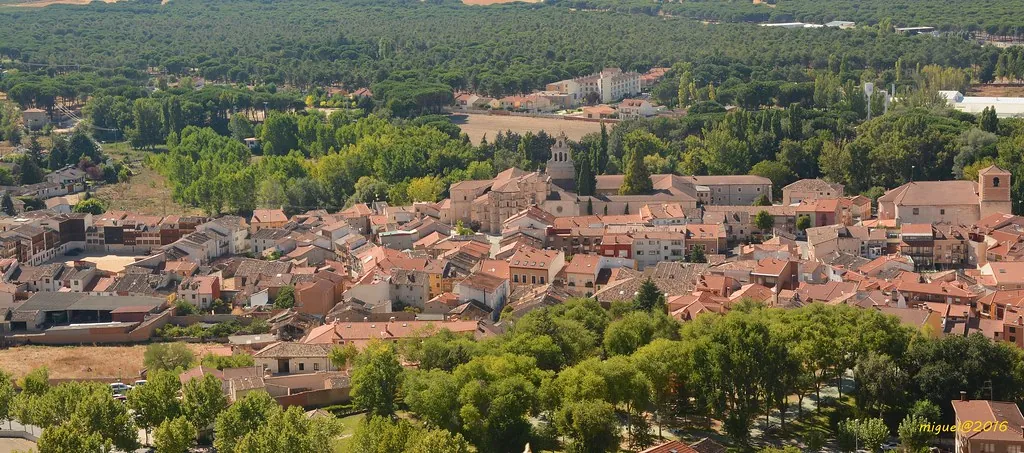
Bahabón has around a hundred residents and sits at roughly 885 metres above sea level, in the Campo de Peñafiel area. Life moves at a different pace. Adobe houses, short streets and the quiet typical of a small rural settlement shape the atmosphere. There are no museums or major landmarks. What you find instead is everyday life: vegetable plots, tractors coming and going, and neighbours who still know each other by name.
It also lies close to better-known places such as Peñafiel and Curiel de Duero. Many visitors treat it as a brief stop while exploring the wider area. In truth, it works well that way.
Walls, Bells and Open Land
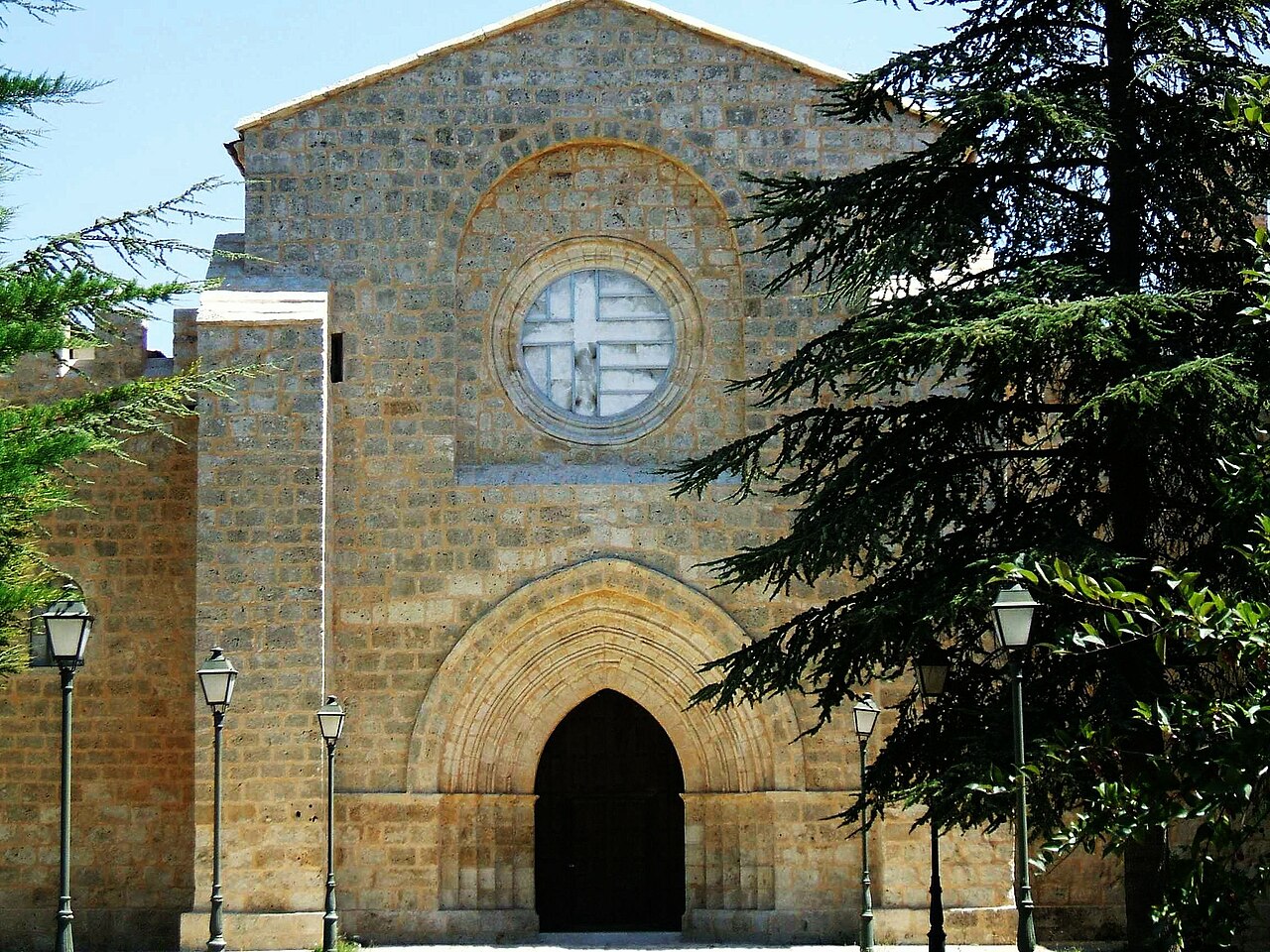
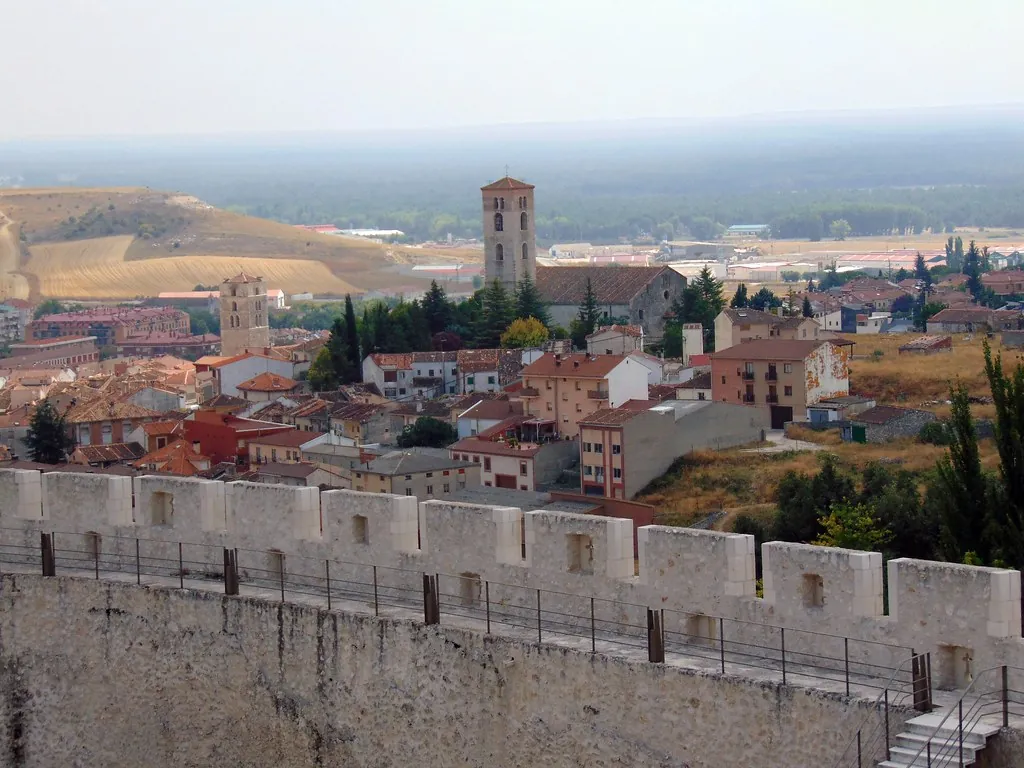
The main visual reference in Bahabón is the parish church dedicated to Nuestra Señora. Its tower rises above the low rooftops and can be seen from several points around the village. It is not a grand or monumental building, but a typical rural church that has stood here for generations, setting the rhythm of daily life. For many residents, the bells still mark the passing hours.
The houses follow the practical architecture of the plateau. Adobe and rammed earth walls, large wooden gates and interior courtyards define the layout. In some properties, traces of older ways of living remain visible. There are small underground cellars and simple wine presses carved into the ground, reminders of a time when families produced their own wine or stored their harvest on site.
Beyond the buildings, the surrounding landscape plays the leading role. Wide fields of wheat or barley stretch out in every direction, broken occasionally by a solitary holm oak. Dirt tracks radiate from the village like spokes from a wheel, used by farmers to reach their land. The sense of openness is constant. Big sky, flat terrain and wind moving through the crops give the place a steady, almost hypnotic feel.
A Slow Way to Spend a Few Hours
Bahabón is easy to cover in a short visit. In fact, the most sensible plan is simply to walk without much direction. A loop around the church, a turn down a quiet street, and before long you find yourself on a dirt path leading out of the village.
These paths are part of everyday working life here. Farmers use them to access their fields, so it is common to come across a tractor or see livestock grazing nearby. Walk a little further and the village quickly falls behind, replaced by the stillness of open countryside.
At night, the experience changes in a noticeable way. The darkness is genuine. With very little light pollution, a clear sky reveals a large number of stars. Anyone staying out late will notice how quickly the surroundings fade into shadow. A torch is useful, as the paths are not lit and the ground can be uneven.
Another common approach is to include Bahabón as a calm stop within a wider route through the Ribera del Duero region. Nearby villages and towns are more likely to offer well-known castles or wineries open to visitors. Many people combine those visits with a short walk through a smaller place nearby, and Bahabón fits naturally into that kind of itinerary.
Festivities and Everyday Community
Like many villages in the area, Bahabón’s most active period comes in summer. The traditional patron saint festivities take place in August, when relatives who live elsewhere return and the population increases noticeably. There are processions, music and shared meals among neighbours, often held outdoors when the weather allows.
Holy Week is also observed, though in a much more understated way. Short processions move through the village streets, accompanied by silence and local residents. It is not a large-scale event, but it remains closely tied to community life.
Outside these moments, daily routines define the village. Agriculture continues to shape the rhythm of the year, and social life revolves around familiar faces and shared spaces.
A Place That Doesn’t Try to Be More
Bahabón is not a destination for elaborate plans or packed schedules. It is the kind of stop that offers a closer look at the Castilian plateau as it is lived day to day. Small villages, wide fields and a way of life still closely connected to the land define the experience.
Spending even an hour walking through its streets and out into the surrounding tracks is often enough to understand its character. There is no need for more, and that is part of its appeal.