Full Article
about Bocos de Duero
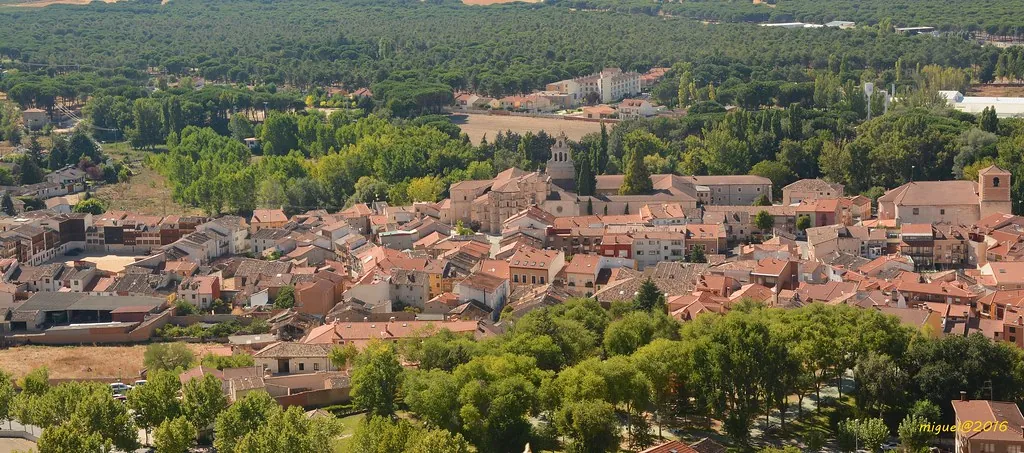
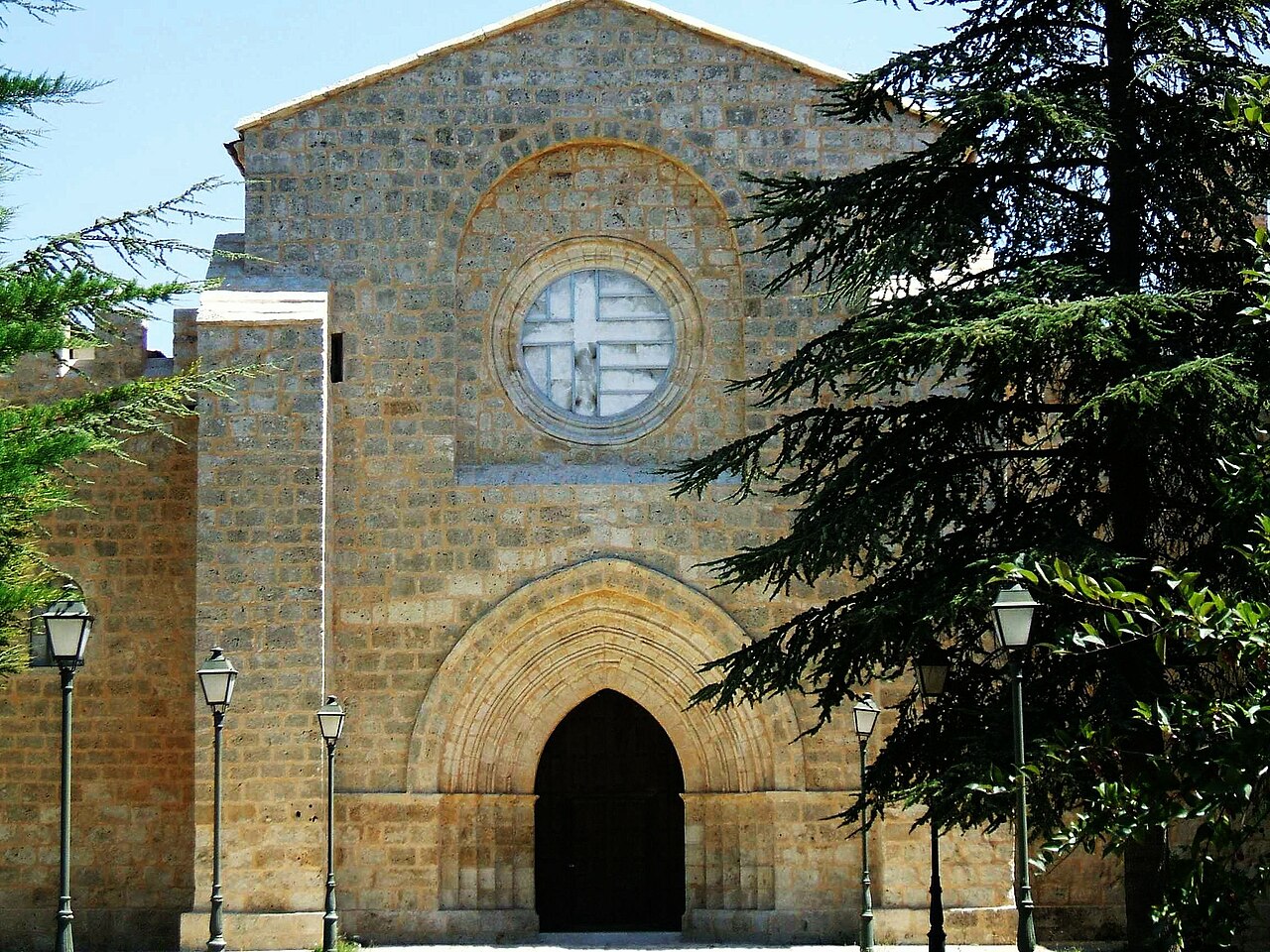
Picturesque village in the Valle del Cuco beside the Duero; known for its green landscape and Gothic church.
Ocultar artículo Leer artículo completo
The church key hangs on a nail behind the bar. That single fact tells you most of what you need to know about Bocos de Duero, a settlement so small that duty rota and drinks order overlap without ceremony. At 760 metres above sea-level the air is already thinner than on the Valladolid plain, and when the Duero bends past the last houses the temperature drops another three degrees. Walkers straight off the Madrid train notice it immediately: sweat cools, breathing steadies, and the Rioja-swilling capital feels a hundred kilometres further away than the 110 it actually is.
River, Church, Vineyards – Repeat
Bocos sits in the crease between cereal meseta and riverside greenery. Up on the ridge the land is the colour of dry biscuits; down by the water poplars throw shade thick enough to picnic under. That contrast is the village’s real monument, far more arresting than the modest thirteenth-century Iglesia de Nuestra Señora de las Nieves that crowns the single street. Ask inside the Ayuntamiento—really just a portacabin with a flag—and whoever is manning the desk will shout across the road. Within ten minutes an elderly señora appears, murmurs “buenas” and unlocks the church without breaking stride. Interior: stone, incense, a retablo touched up in 1783, silence you can almost drink. Lock-up again, key returned to the nail. No donation box, no postcards, no fuss.
The vineyards start at the back door and roll north until they merge with Peñafiel’s famous horizon of castles and bodega hotels. DO Ribera del Duero rules here, so tempranillo is king, but the estates surrounding Bocos are family affairs, not coach-tour giants. Señorío de Bocos will open for a tasting if you ring a day ahead; their Verdejo is a bright, lemon-edged white that tastes of these higher, cooler terraces. Expect to pay €9–11 a bottle, less if you bring your own box. They shut promptly at two and reopen only when advertised—usually Friday or the run-up to the August fiesta—so plan lunch elsewhere if you’ve missed the slot.
Walking Off the Lamb
There is, frankly, little to “do” in the conventional sense. That is the appeal. A web of farmers’ lanes links Bocos with its equally microscopic neighbours: Valdearcos 4 km west, Villanueva de Duero another 3 km beyond. Turn right at the chapel ruin and you can follow the river south for 6 km to Pesquera, cherry orchards on one side, herons on the other. The path is unsigned but obvious; allow two hours there, ninety minutes back with the wind behind you. Cyclists can loop all three villages in a lazy morning: tarmac is smooth, traffic is mostly tractors, gradients rarely top 4%. Pack a reflective vest—Spanish law insists if you’re outside town limits.
Summer heat can still hit 34°C, yet mornings carry a bite until May, and frost is possible in October. The village micro-climate is real: on still evenings a layer of mist forms over the Duero, sliding uphill like slow water. Photographers call it “Ribera fog” and schedule overnight stays specifically to catch dawn lifting it off the water in pink ribbons. Winter is sharper than newcomers expect; night temperatures below –5°C close the single access road at least once a year when the short, twisting VA-701 ices over. Come December you’ll need chains or a sturdy front-wheel drive.
Where to Eat, Sleep, Fill the Tank
Bocos keeps no hotels, no pensions, not even a cash machine. Nearest sterling-friendly ATM is in Peñafiel, 14 km east along the CL-610—fill your wallet before you wind down the valley. Accommodation splits between two extremes: rental cottages (two, both two-bedroom, around €90 a night) and the five-star spa-monolith at Castilla Termal in nearby Olivares. Mid-range options lie 20 minutes away in Peñafiel, where the four-star Hotel Convento de las Claras does doubles for €110 including garage parking. Book early for September harvest weekends; oenophiles block out rooms a year ahead.
Food inside the village is essentially whatever you cook on the riverside BBQ. The council installed stone tables and grates in the Parque Villa del Prado; charcoal is sold at the multiservice shop that doubles as bakery and gossip exchange. If you want someone else to tend the fire, drive to Pesquera for Lechazo Mesón, where milk-fed lamb roasts in a wood-fired clay oven until the skin crackles like thin toffee. A half-ración (plenty for two Brits) costs €22; add a tinaja of house tinto for €12 and you’ll still be under city-pub prices. Vegetarians survive on tortilla, queso de oveja curado and the reliable tomato salads—this is still Castile, not Cordoba.
The Weekend the Village Doubles in Size
For fifty weekends a year Bocos is a grid of closed shutters and softly ticking irrigation pipes. Then, on the first Saturday of August, the population quadruples as former residents return for the fiesta of the Virgen de las Nieves. Suddenly every garage disgorges long tables, a sound system appears on a flat-bed trailer, and the aroma of saffron rice drifts across the river. Visitors are handed a plastic cup and invited to join the queue; no wristbands, no ticket tiers, just an assumption that if you’re here you belong. Sunday morning brings a mass followed by an open-air auction of homemade embutidos—chorizo ropes, blood pudding studded with pine nuts, lomo cured in the cellar under someone’s sitting room. Prices start at €6; proceeds fund next year’s fireworks, a modest string of rockets let off from the church roof at midnight.
It is tempting to call the scene “authentic”, yet that would ignore the WhatsApp group that now co-ordinates who brings the paella pan and who drives the key-cutter from Valladolid. Bocos is neither frozen in aspic nor artificially quaint; it is simply small enough that tradition and practicality still overlap. Mobile coverage illustrates the point perfectly: Vodafone and Three dwindle to one bar on the riverbank, yet the village Facebook page posts real-time updates on whether the baker has empanadas left. Download offline maps before you leave the city; expect to upload your photos later over the decent Wi-Fi at Castilla Termal.
Leaving Without the Souvenir T-Shirt
You will not find a fridge magnet shaped like Bocos de Duero. What you might take away is the memory of temperature change on your neck as you drop from the meseta to the river, or the taste of a wine whose grapes ripened within sight of the church tower. Staying overnight is worth it purely for the dawn chorus of blackbirds echoing off the water, something no day-trip schedule can deliver. Equally, no-one will mind if you simply fill your water bottle, walk the riverside loop and drive on to the next bodega. The village asks nothing more than a nod to whoever is manning the bar, and the quiet closure of the gate behind you.