Full Article
about Corrales de Duero
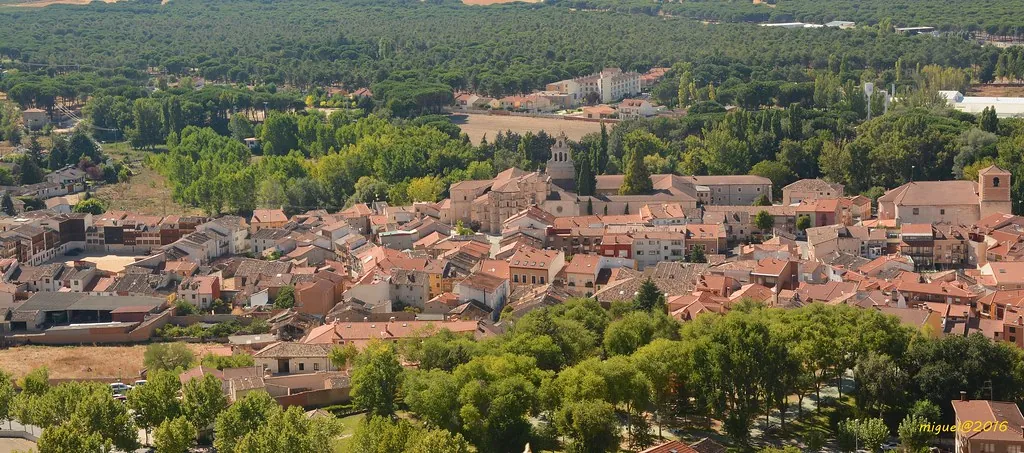
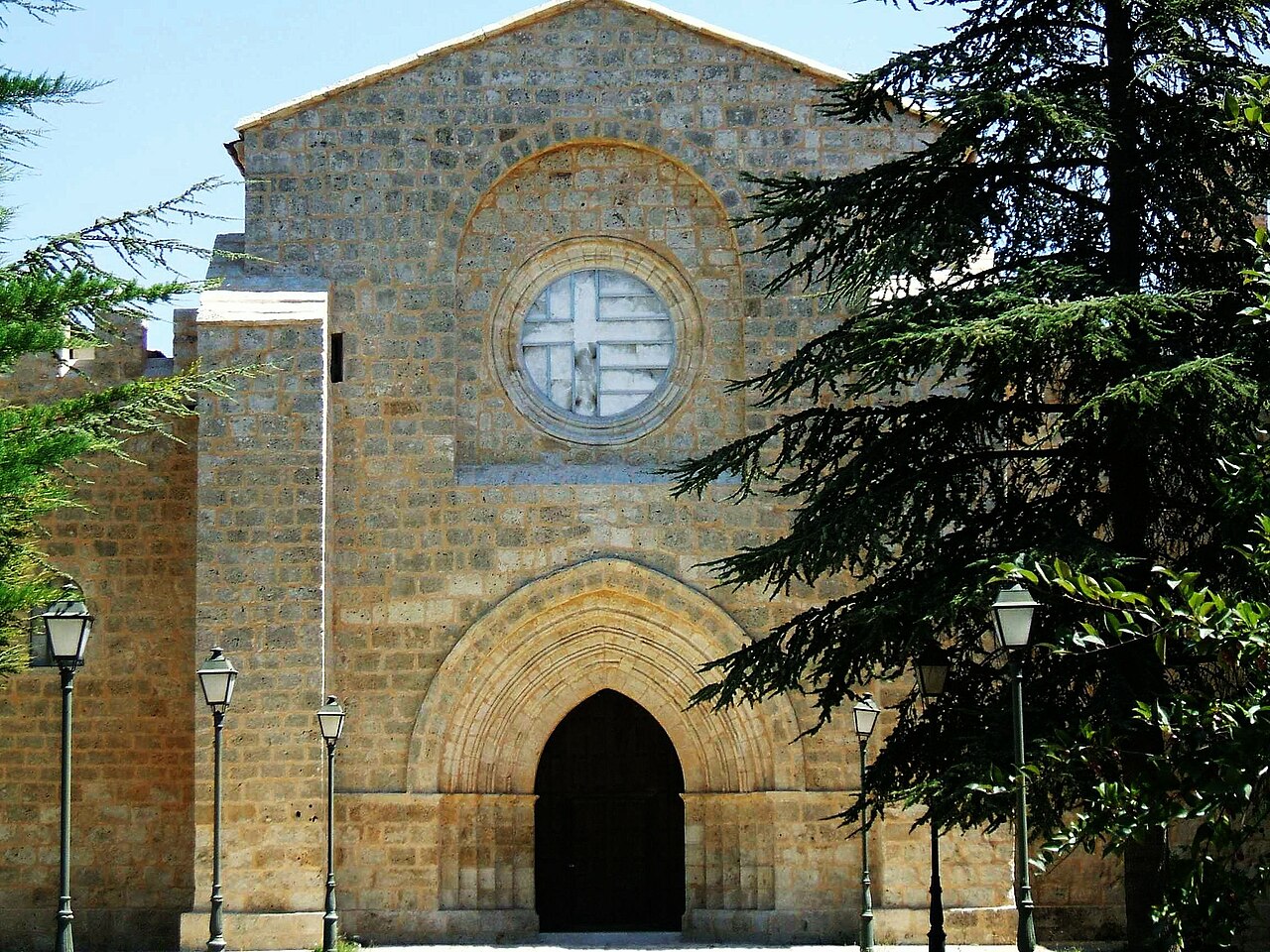
Town set in a narrow valley of the Campo de Peñafiel; noted for its Mudéjar church and vineyard landscape.
Hide article Read full article
Corrales de Duero is the kind of place you drive through to get somewhere else. Then you notice the vines. They run in such perfect lines they look combed into the red earth. That’s when you pull over.
About fifty kilometers from Valladolid, this village of a hundred people sits in the flat, open heart of the Ribera del Duero. Life here has one rhythm, and it’s set by the vineyard. You feel it before you see a single person.
A Village Built from Clay and Patience
The first thing you notice is the quiet. It’s a working quiet, broken by a distant tractor or a dog barking behind a wall. The houses are made from what was nearby: adobe and stone. Some are neatly restored, others show their age with cracked plaster and faded wooden doors.
There’s no main attraction, no plaza mayor designed for photos. The church of Nuestra Señora sits where it always has, simple and solid. Its real function was as the village’s living room for generations, the backdrop for everything from baptisms to Sunday gossip.
Walking its two main streets takes ten minutes if you hurry. But why would you? The pace here is set by the sun, not a watch. You might see an old woman tending geraniums in a tin can or hear the clink of glasses from an open doorway.
The Real Route is Between the Rows
Forget marked trails. The best thing to do here is pick an agricultural track and follow it out of town. Any one will do.
These dirt paths cut between low stone walls and endless rows of vines. In spring, the new growth is a shock of green against the red soil. By summer, your boots kick up dust with every step. Come autumn, the whole landscape turns a rusty gold.
You can bike these backroads too. They connect to other villages like Pesquera or Curiel and see more tractors than cars. Just remember, tractors have right of way. They’re working; you’re just passing through.
Eating and Drinking Like the Land Intended
Let’s be clear: in Corrales itself, your dining options are basically what you bring in your backpack. This isn't a criticism, just logistics for a place with 104 residents.
You need to look to the surrounding comarca. The food here is what I call “field food.” It’s straightforward and built for stamina: roast lamb, local sausages, rough bread, and cheese that tastes like grass and salt.
The wine, though? That’s everywhere. You’re standing in it. This is Ribera del Duero core territory. A few nearby villages have bodegas that sometimes open for visits if you call ahead. It’s worth doing just to connect the dots between the dirt on your shoes and the wine in your glass.
Sky Full of Hawks, Not People
Look up from the vines. The sky here is big and often busy. Birds of prey use the thermal currents over the páramo, the high plain. You’ll spot milanos circling with that distinctive forked tail, or common buzzards perched on fence posts.
It feels like cultivated land until you stop moving. Then you see the rabbits darting into brush piles, hear skylarks singing overhead. The wildlife works around the farming calendar too.
Why You Might Actually Remember This Place
Corrales de Duero won’t wow you with architecture or an exciting itinerary. It doesn't try to.
What it does is slow your pulse down for an afternoon. You come here to walk a dirt track at sunset when the light stretches those vine rows into infinity. You come to understand how a landscape can shape a life so completely that they become inseparable.
You leave with dust on your shoes and a sense of quiet that lasts until the next highway rest stop.It's not for everyone,but if you've ever wanted to see where your wine really comes from,the answer isn't just in a bottle.It's right here,in this red earth