Full Article
about Curiel de Duero
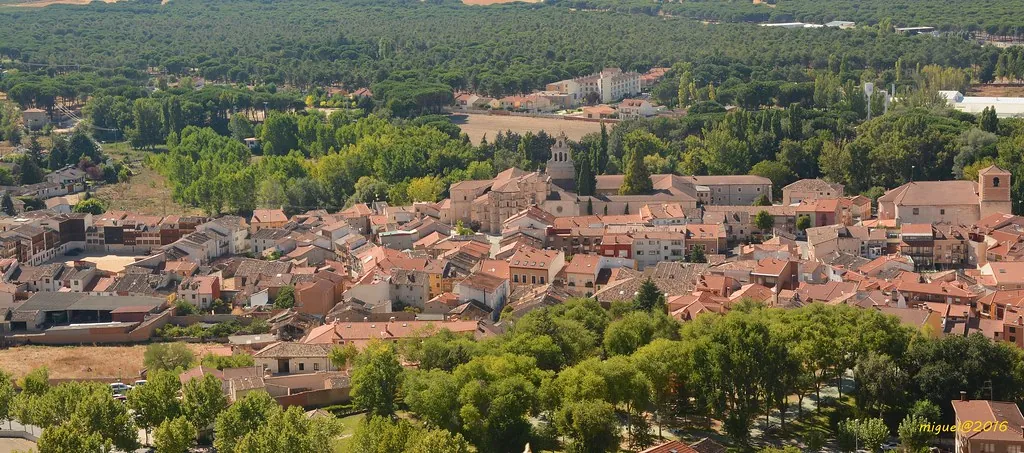
Medieval town dominated by two castles; noted for its noble history and strategic location in the Ribera del Duero.
Ocultar artículo Leer artículo completo
The grocer’s van beeps twice at ten o’clock. By half past, the small square outside the 15th-century Palacio de los Zúñiga is empty again, leaving only the smell of diesel and fresh bread to drift up the hill towards the tenth-century fortress that doubles as the village’s only hotel. Curiel de Duero never needed traffic lights; today it barely needs a lollipop lady. Official head-count is 110, plus whoever is staying the night behind the battlements.
A thousand years of stone on one ridge
Two castles for one street is a generous ratio, even by Castilian standards. The older fort, Castillo de Curiel, crowns the western tip of the ridge at 815 m; the newer palace squats halfway down the single main lane. Both are built from the same honey-coloured limestone that turns amber in low sun, so from the valley floor the whole settlement looks like a single, long wall that has learned to grow windows. The ridge drops away sharply on three sides, giving the houses uninterrupted sightlines over the Duero vineyards that financed the original masonry. On a clear winter morning you can pick out Peñafiel’s own cliff-top castle seven kilometres west; in high summer the view dissolves into heat-shimmer, and the vines look almost blue.
Altitude makes the climate behave. Night-time temperatures in May can dip to 7 °C, so bring a fleece even if Madrid hit 30 °C that afternoon. Frost arrives earlier than on the valley floor, which is why the best grapes occupy south-facing terraces halfway down the slope. Conversely, July and August feel less suffocating than in Valladolid—there is usually a breeze on the ridge—but the sun is still fierce and shade is scarce. The castle restaurant puts umbrellas on its terrace; locals walk on the north side of the street.
Wine first, sightseeing second
No one comes to Curiel for cathedrals or museums. They come because the entire hillside is a glass of Ribera del Duero waiting to happen. Walk five minutes south-east and you are among tempranillo vines belonging to Pagos de Valcerracín; ten minutes north and you bump into the boundary wall of Bodegas Castillo de Curiel itself. Both offer tastings by appointment, and both will reply to e-mail written in English, though the reply may come in Spanish. Expect to pay around €12 for a basic tour plus two wines; the castle hotel charges €18 for a vertical tasting of three vintages served with local cheese. Weekend slots disappear early—phone before you leave the A-road, otherwise the bodega gates will stay locked.
If you arrive unannounced, content yourself with the footpath that loops through the vineyards below the ridge. The route is unsigned but obvious: follow the dirt track between the stone terrace walls, bear left at the concrete water deposit, and you will circle back to the village in 45 minutes. Gradient is gentle, though the path is exposed; carry water between May and September. In October the vines bleed red leaves onto the stone and photographers from Burgos appear with tripods at dawn, but even then you will share the trail with more tractors than tourists.
What you can and cannot go inside
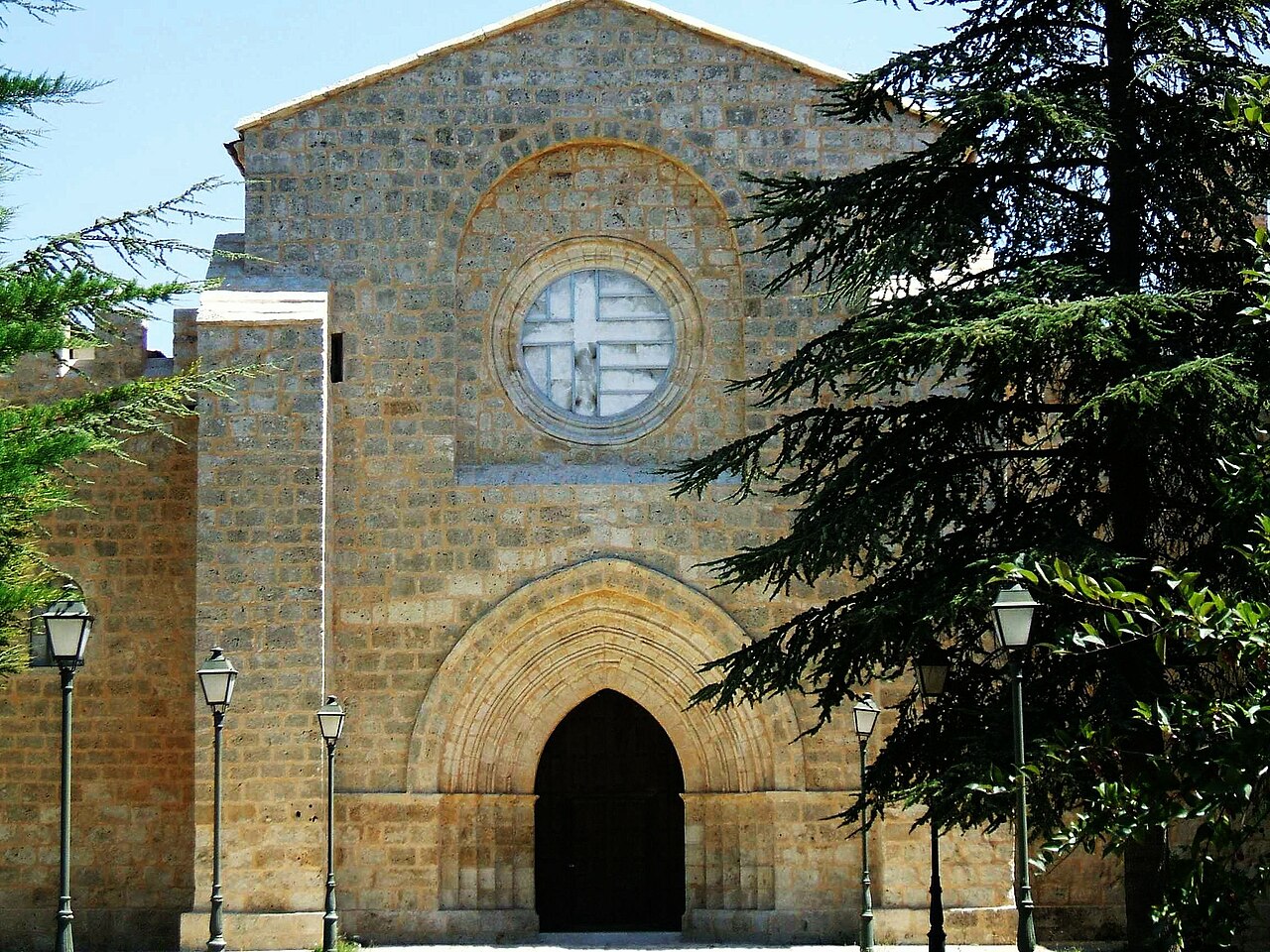
The Castillo de Curiel is now a seven-room parador-style hotel. Non-guests are welcome for lunch—roast suckling lamb for €24, garlic soup for €6—but you cannot wander the battlements unless you are sleeping there. The palace is privately owned and closed altogether, so admire the carved escutcheons from the lane and move on. The single public building is the late-Gothic church of Santa María: key kept by the lady in the green-shuttered house opposite. Ring twice, say “para ver la iglesia, por favor,” and she will let you in for nothing. Inside are three seventeenth-century retablos painted in ox-blood and gold, their colours still sharp because the nave is too dim to fade them. Take binoculars: the fresco of St Christopher on the south wall is twelve feet above your head.
Eating when there is nowhere to eat
There is no pub, café, or tapas bar in Curiel. The castle restaurant opens at 13:30 for lunch (last orders 15:30) and shuts the rest of the day. Book even on a Tuesday in February; the chef buys lamb whole and hates waste. If rooms are full, phone anyway—tables are held back for residents first, but cancellations happen. Otherwise drive seven kilometres to Peñafiel, where Mesón del Duero does a perfectly respectable cordero lechal for €19 and takes walk-ins before 14:00. Vegetarians last well on roasted piquillo peppers and the local sheep cheese called pata de mulo, which tastes like a milder Manchego and comes with quince jelly sharp enough to wake the palate. Drivers note: the Guardia Civil set up roadblocks on the N-122 most Saturday nights; Spanish limits are stricter than UK ones and Ribera reds are 14.5%.
Practical grit
Cash is king. The nearest ATM is in the Repsol station on the Peñafiel ring-road, and it charges €1.75 per withdrawal. The grocer’s van accepts cards, but signal is patchy—Vodafone works on the square, O2 disappears inside stone houses. Petrol is the same story: fill up before you leave the main road. Mobile coverage improves on the castle terrace, presumably because guests complained.
Winter access is straightforward unless snow arrives, in which case the final kilometre from the county road is chained or nothing. Spring brings mud; hire cars return dirty. Summer parking is free but limited to the triangle outside the palace—arrive after 11:00 on Sunday and you will be reversing back down the hill. The village keeps four public benches; population density of benches per capita rivals Knightsbridge.
Staying the night
Sleeping inside a tenth-century keep sounds romantic until you remember the walls are a metre thick and Wi-Fi is hypothetical. The castle hotel compensates with underfloor heating, rainfall showers, a honesty-stocked minibar, and windows you can open without traffic noise because there is no traffic. Doubles start at €130 including breakfast—cheaper than Paradores elsewhere in the region, more expensive than the rural guesthouses down in the valley. Light sleepers should ask for room 3, which faces the courtyard rather than the village cockerel. Check-out is a civilised 12 noon, so you can photograph dawn over the vineyards and still reach Valladolid for an 11:00 meeting.
If the castle is full, Peñafiel has serviceable three-stars from €55, but you lose the after-hours access to the ramparts and the chance to drink Ribera under stars unpolluted by streetlights. On a new-moon night the Milky Way stretches from palace to keep; you will share the spectacle with one caretaker and a cat called Federico.
Worth it?
Curiel de Duero will never fill a weekend on its own. It works instead as a breather between Madrid’s motorways and the winery conveyor belt of Peñafiel. Come for one night, walk the vineyard loop before breakfast, buy a bottle of crianza you have actually seen growing, then roll downhill to civilisation. The village asks for little and gives back a ridge-top silence broken only by church bells and the wind that once carried Moorish lookouts’ warnings. Just remember to bring cash, book lunch, and don’t expect anyone to guide you round the battlements—unless you are prepared to sleep behind them.