Full Article
about Langayo
Town with a winemaking and farming tradition; noted for its Gothic church and local fiestas.
Ocultar artículo Leer artículo completo
The 836-Metre View That Puts Everything in Perspective
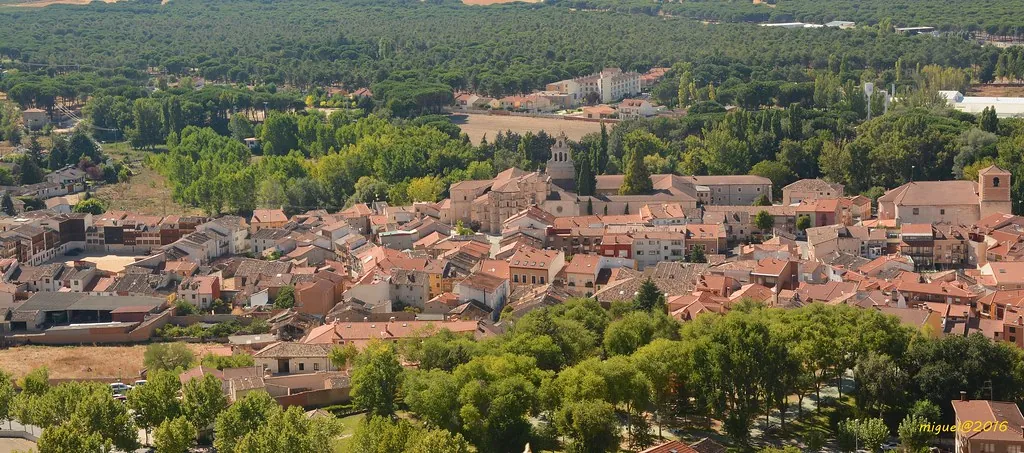
From Langayo's upper streets, the horizon stretches further than seems reasonable. At 836 metres above sea level, this Valladolid village sits high enough that the surrounding vineyards appear as a patchwork quilt someone laid across the plateau. On clear days—and most are—you can trace the Duero River's path through the landscape, picking out where the Ribera del Duero's famous bodegas lie beyond the immediate farmland.
The village itself numbers just 253 souls, though that figure doubles during August when families return for the fiestas. What strikes visitors first isn't any particular monument or view, but the absence of things: no souvenir shops, no weekend traffic, no soundtrack beyond tractors and the occasional church bell. This is agricultural Castilla operating on agricultural time, where seasons matter more than opening hours.
Adobe Walls and Working Churches
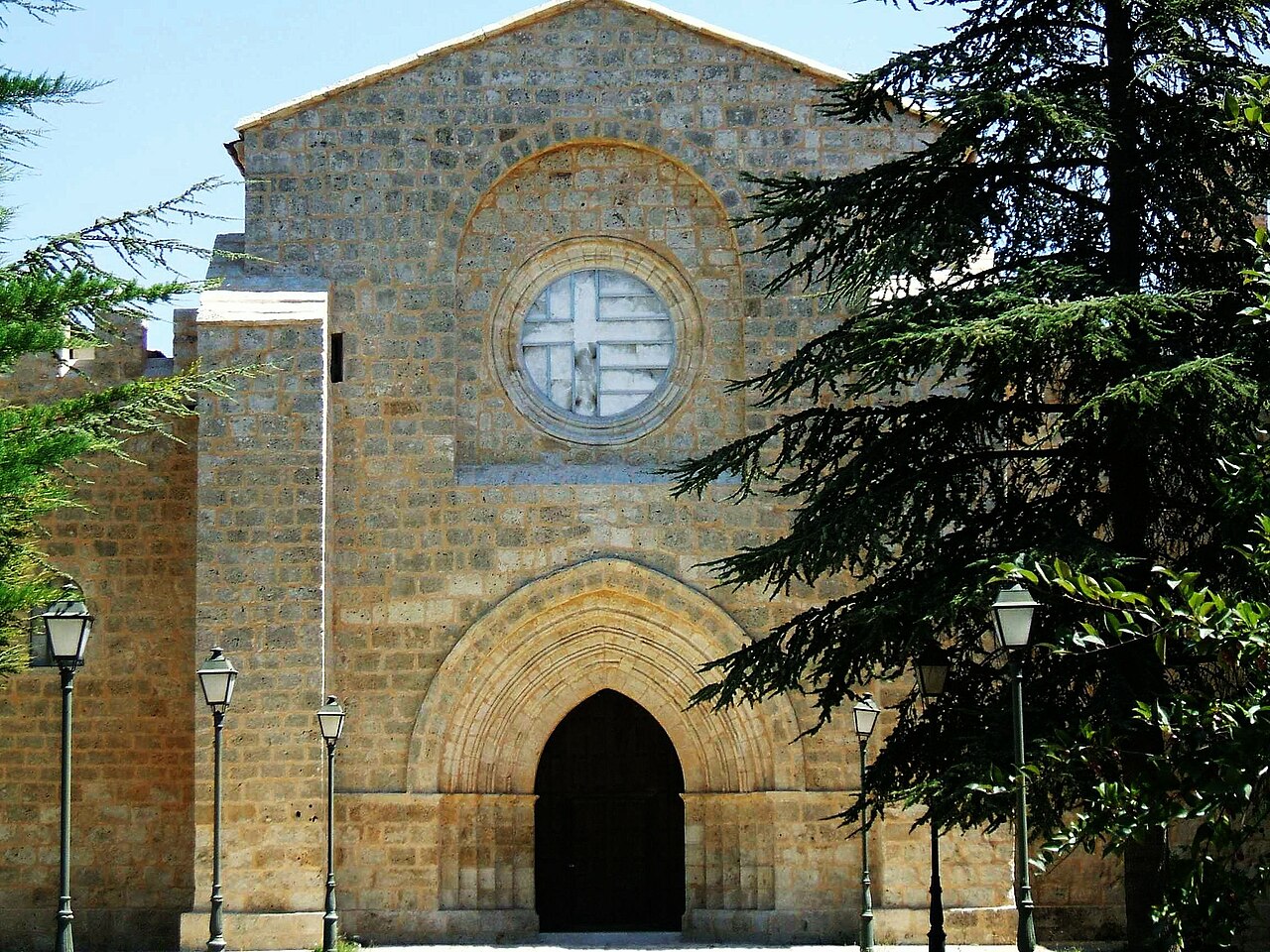
Langayo's church squats at the village centre like it grew there rather than being built. Constructed from local stone and adobe, it's the sort of modest parish temple that served rural Castilla for centuries—practical, solid, designed for daily worship rather than tourist appreciation. Don't expect guided tours or elaborate retablos; the building functions much as it always has, hosting baptisms and funerals rather than coach parties.
Wander the streets and you'll see Castilla's vernacular architecture without the Disneyfication that plagues more celebrated villages. Adobe and rammed-earth houses lean against newer brick constructions. Traditional bodegas—wine cellars dug into hillsides—peer from slopes, their wooden doors weathered to silver-grey. Some properties gleam with fresh render; others display the honest decay of buildings that haven't yet found new purpose. This mix isn't picturesque, it's pragmatic, and far more revealing than any heritage trail.
The real architecture here is organisational: narrow lanes designed for livestock and carts, houses clustered around the church, vegetable plots tucked into available spaces. Everything speaks to a time when walking distance determined daily life, and when growing your own food wasn't a lifestyle choice but necessity.
Walking the Agricultural Labyrinth
The best way to understand Langayo is to walk out of it. Ancient agricultural tracks connect to neighbouring villages across the Campo de Peñafiel, following routes that medieval farmers established and their descendants still use. These aren't waymarked trails with interpretation boards—they're working paths that happen to take walkers through some of Castilla's most honest countryside.
Spring walks reveal the plateau's subtle palette changes: bright green cereal shoots, darker vineyard rows, the occasional splash of poppy red where fields meet margins. Autumn reverses this, turning everything ochre and gold under skies so blue they seem painted. The terrain rolls rather than climbs—this isn't mountain hiking, but meseta walking where distance becomes abstract and every horizon reveals another.
Bring water, proper footwear, and offline maps. Mobile signal disappears in dips, and these paths serve farmers first, walkers second. That's precisely their appeal: following routes shaped by agricultural logic rather than tourism committees.
Wine Without the Theatre
Langayo sits just outside the Ribera del Duero's official boundary, close enough that vineyard culture permeates everything. Visit during September's vendimia—grape harvest—and you'll witness agricultural theatre that no tour company could stage. Tractors hauling overflowing trailers crawl through streets at dawn. Cooperative buildings thrum with activity as grapes arrive for processing. The air carries that particular autumn scent of fermentation and ripe fruit.
But this isn't performance—it's work. Farmers aren't posing for photographs; they're racing weather and market prices. Observe from respectful distance, ask permission before entering vineyards, and remember that those tractors have right of way on roads barely wider than their wheelbases.
For structured wine experiences, drive fifteen minutes to Peñafiel, where bodegas offer tastings and tours. Return to Langayo for sunset over vines, glass in hand, understanding what that wine represents to landscapes like these.
What to Eat, Where to Eat It
Langayo itself offers limited dining options—perhaps one bar serving basic tapas, opening hours dependent on owner's availability. The village isn't pretending to be a gastronomic destination; locals cook at home using ingredients that reflect genuine Castilian cuisine rather than restaurant interpretations.
For meals out, Peñafiel provides better choices at better prices than tourist-heavy spots nearer Madrid. Try Asador de la Villa for lechazo—milk-fed lamb roasted in wood-fired ovens until the skin crackles like parchment. Las Cepas serves proper sopa castellana, garlicky bread soup thick enough to stand a spoon in, alongside morcilla that's peppery rather than sweet. Expect to pay €15-20 for three courses with wine—prices that haven't been inflated by international visitors because there aren't any.
Local specialities to seek: queso de oveja from small producers who still make cheese seasonally; honey from village beekeepers; anything featuring setas when autumn mushrooms appear. The agricultural cooperative sometimes sells eggs from village hens—if you see a handwritten sign, follow it.
When to Visit, When to Avoid
Spring brings wildflowers and comfortable walking temperatures—typically 15-20°C during April and May, though nights remain cool enough for jackets. September through early October offers harvest activity and autumn colour, with days still warm but not oppressive. These shoulder seasons also avoid summer's intensity: July and August can reach 35°C under relentless sun, when shade becomes precious and siestas essential.
Winter visits demand preparation. At this altitude, temperatures drop below freezing regularly from December through February. Snow isn't guaranteed but neither is it unusual. Villages like Langayo don't invest in extensive snow-clearing equipment—if weather turns, you might be staying longer than planned. That said, winter light across the meseta possesses crystalline clarity that photographers dream about, and you'll have it entirely to yourself.
Avoid August weekends if possible. Fiestas bring returning families and temporary population explosion, meaning accommodation fills and prices increase. The celebrations themselves—processions, communal meals, late-night dancing in improvised squares—offer genuine insight into village life, but book accommodation months ahead if this appeals.
The Reality Check
Langayo won't suit everyone. Public transport is effectively non-existent—rental cars aren't optional extras but necessities. English isn't widely spoken; basic Spanish helps enormously. Shops close for siesta, sometimes for entire afternoons. Mobile coverage remains patchy. Rain turns unpaved roads to mud that clings like concrete.
Yet these apparent limitations define the village's authenticity. Langayo exists for its residents, not for visitors. Come prepared to observe rather than consume, to walk rather than be entertained, to appreciate subtle landscapes that reward patience. Understand that you're witnessing agricultural Castilla continuing traditions that predate tourism by centuries, and that your presence represents interruption rather than income.
Bring walking boots, phrasebook patience, and expectation of silence. Leave with understanding of how Spain's interior functions when nobody's watching, and how 253 people maintain community in a landscape that measures distance in horizons rather than kilometres.