Full Article
about Piñel de Arriba
A municipality on the high plateau, known for its church and local traditions museum.
Hide article Read full article
Piñel de Arriba: el pueblo que te enseña a parar
Hay pueblos que funcionan como una llamada de atención. Llegas, apagas el motor del coche, y lo primero que te golpea es el silencio. Un silencio físico, casi denso. Piñel de Arriba, en el Campo de Peñafiel de Valladolid, es uno de esos sitios. Tiene 81 habitantes y la sensación inmediata es que has salido del flujo del tiempo normal.
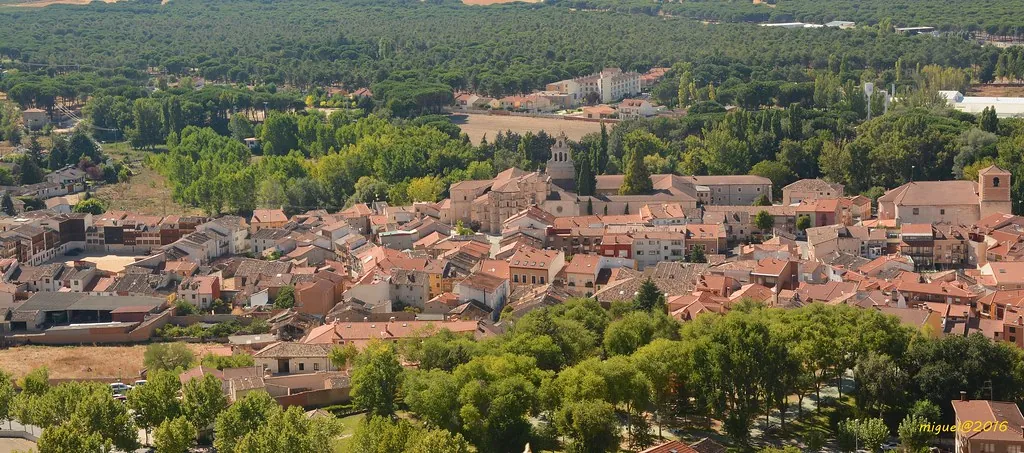
No vengas buscando una postal perfecta. No la hay. Lo que encuentras son calles anchas y vacías, casas bajas de adobe y tapial con portones grandes para meter el tractor, y ese horizonte infinito de campos de cereal. Es la arquitectura del uso, no de la decoración. Aquí nada sobra.
Un paseo corto y con los ojos abiertos
Dar una vuelta por Piñel no te llevará más de media hora. La gracia no está en ver monumentos, sino en fijarte en los detalles. En cómo las casas se agachan contra el viento de la meseta, en las herramientas oxidadas junto a una puerta, en las persianas cerradas de quienes se fueron. Es un lugar honesto: no pretende ser más de lo que es.
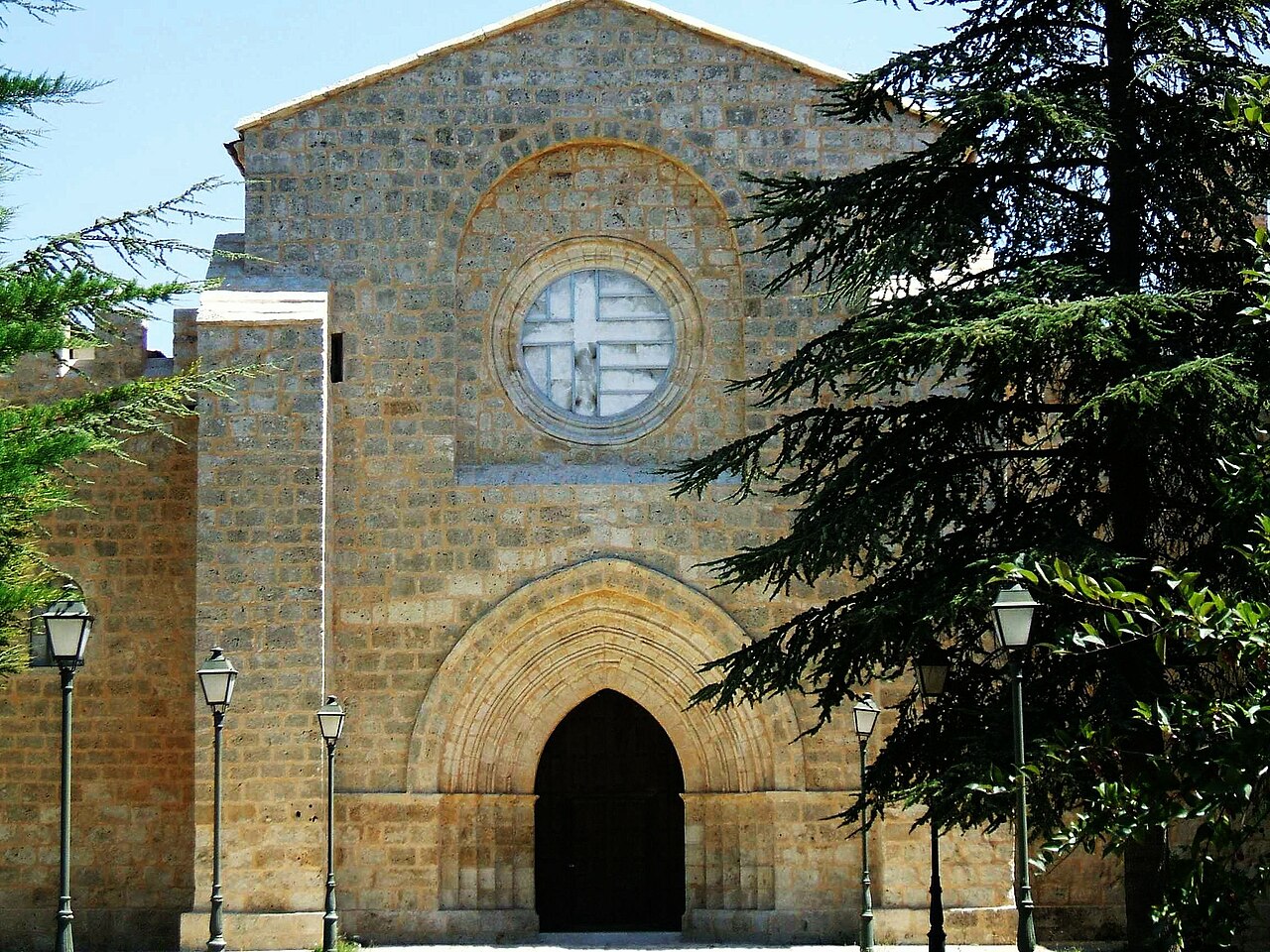
La iglesia de San Miguel es el punto de referencia, con su torre cuadrada que se ve desde lejos al acercarte por la carretera. Es del siglo XVI, pero reformada después, como casi todas por aquí. Su campana sigue marcando las horas para el pueblo, un sonido que en verano cobra más sentido.
La verdad está en los campos
Lo mejor que puedes hacer aquí es salir andando. Coge cualquier camino agrícola que veas y métete entre los campos de cereal. No hay senderos señalizados, pero es imposible perderse: el pueblo siempre está a la vista.
Este es un paseo sin objetivo. Se trata de respirar el espacio. De ver cómo el color del trigo cambia con las estaciones, del verde pálido en primavera al amarillo quemado del verano. Si tienes suerte, verás avutardas planeando o una liebre cruzando el camino a toda velocidad.
Es un paisaje hipnótico en su simplicidad. Líneas rectas hasta donde alcanza la vista. Te hace entender de inmediato por qué la vida aquí se ha construido alrededor del campo.
Comida contundente y vinos cercanos
La cocina es un reflejo directo del territorio: cosas que alimentan y duran. El lechazo asado es el rey, por supuesto, pero también hay guisos de legumbres y embutidos curados en las bodegas frescas.
Y luego está el vino. Estás a un paso de la Ribera del Duero, así que en cualquier bar o casa te encontrarás con tintos potentes, del tipo que pide beberse despacio y con buena compañía. Es la bebida oficial de esta tierra seca.
El verano cambia el ritmo (un poco)
Durante gran parte del año, Piñel parece suspendido en quietud. Pero en julio y agosto algo se mueve. Vuelven los que emigraron, se abren algunas ventanas cerradas y la plaza tiene un poco más de vida.
Las fiestas patronales son entonces, alrededor del día de San Miguel. Hay procesión, música y alguna comida comunal organizada por los vecinos. No es un espectáculo para turistas; es la excusa para que se junten quienes se criaron aquí. Se nota una comunidad pequeña pero viva.
Mi consejo práctico
Piñel de Arriba no es un destino por sí solo. Funciona como una parada sensata si estás recorriendo la zona de Peñafiel o visitando bodegas en la Ribera.
Aparca junto a la iglesia, date ese paseo lento por el pueblo, sal unos minutos al campo para sentir la escala real de este paisaje y sigue tu camino.
Lo que te llevas no es una foto espectacular ni una anécdota grandiosa. Es algo más sutil: la comprensión física de cómo se vive (y se ha vivido) en esta meseta interminable. Un recordatorio útil sobre lo que significa realmente un lugar sin pretensiones