Full Article
about Sardón de Duero
Town known for the Abadía de Retuerta and its wines; set beside the Duero with a rich heritage.
Hide article Read full article
A small village shaped by wine
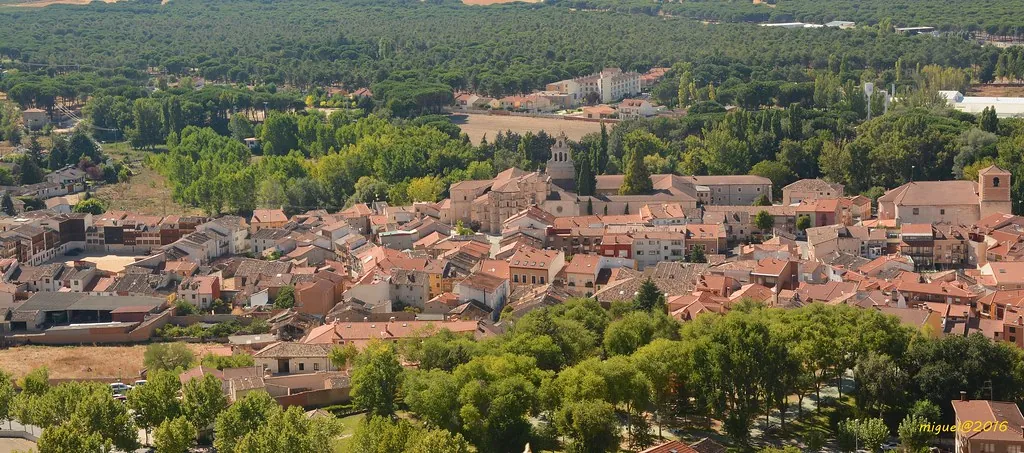
Some places match the picture you form before arriving. Vines lining the road, a few agricultural buildings, the river nearby even when it stays out of sight. Tourism in Sardón de Duero fits that idea quite closely. This is a small village in the Ribera del Duero where life revolves around the countryside and wine.
Around 600 people live here. The streets are calm, and there is a sense that things move slowly. It is not somewhere built around major sights or long shopping strolls. Instead, it is the kind of place where you park, take a short walk and quickly understand how people live.
The village centre and its church
The centre is compact. A couple of main streets, houses in stone and brick, and a noticeable quiet during the week.
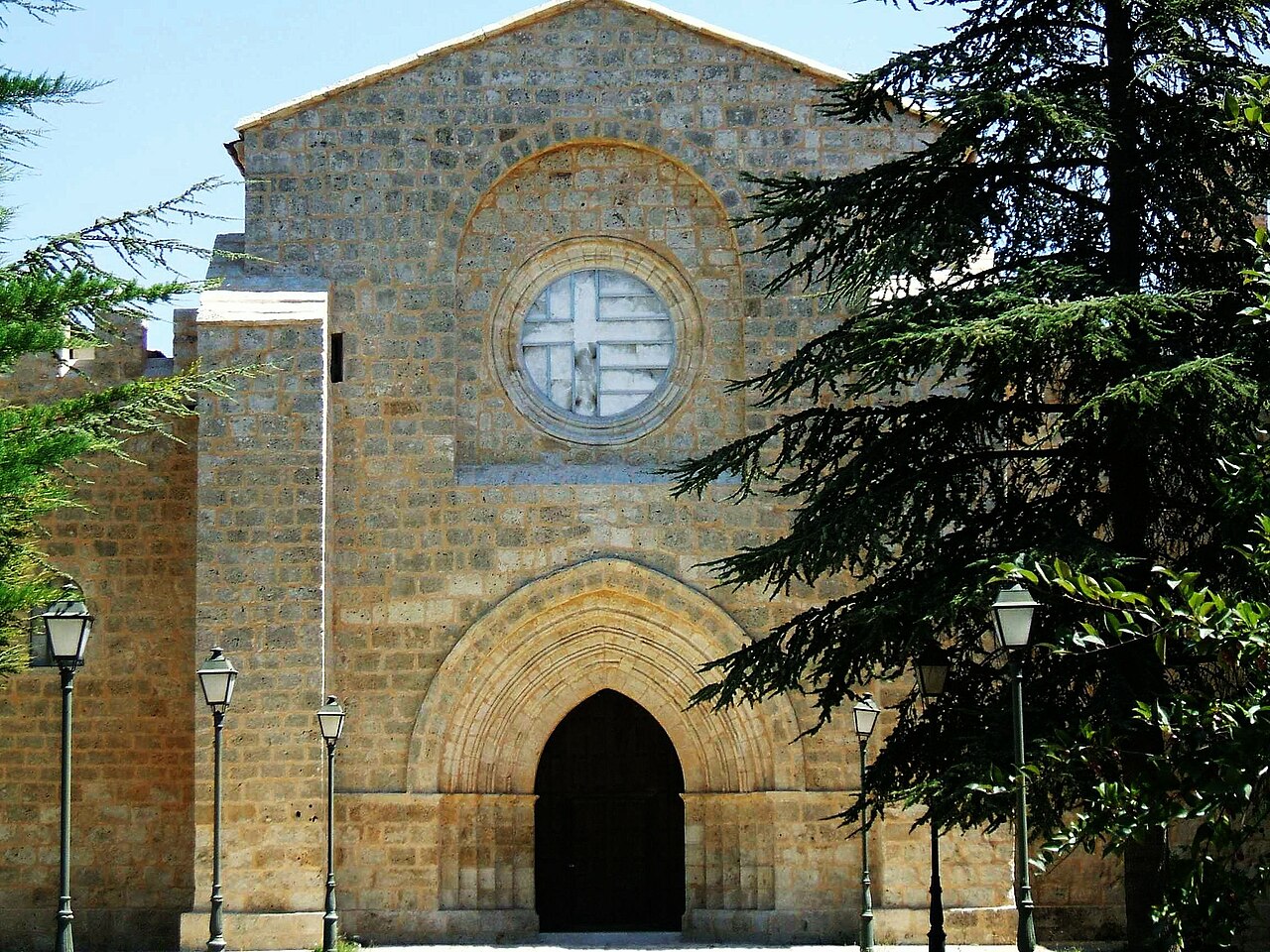
The church of San Juan Bautista stands along one of those central streets. Its origins are usually placed in the 16th century, although it has been altered over time. It is not a monumental building. The walls are simple, built in the style typical of Castile, and it has that familiar feel of a village church that has hosted baptisms, funerals and celebrations for generations. You step inside for a moment, look around, and then continue your walk.
Vineyards all around Sardón
Leave the built-up area and the vineyards begin almost immediately. A couple of minutes by car and you are surrounded by rows of vines.
In spring, everything turns green and ordered, as if the land has been carefully combed. Autumn brings a shift in colour, with yellows and reds appearing across the fields. For those who enjoy unhurried drives, the secondary roads around Sardón have a landscape that holds your attention. There are gentle hills, clearly defined plots of land, and the Duero moving nearby.
From time to time, modern buildings appear among the vineyards. These are wineries with contemporary architecture that contrasts with the long-established agricultural setting.
The underground wineries
One feature that often goes unnoticed at first is the network of underground wineries. In various parts of the village there are galleries carved into the limestone rock. Some lie beneath private houses.
The entrances are usually simple, made of wood or metal, and from the outside it is not always obvious what lies below. Inside, wine was traditionally stored because the temperature remains fairly stable throughout the year. Many of these spaces are still privately owned and used either for storage or for family gatherings.
Walking and cycling among the vines
For walking or cycling, the agricultural tracks around the village are straightforward. There are no steep climbs or technical routes.
These are dirt tracks used by tractors, crossing through vineyard plots. After a short time, small details start to stand out: different types of soil, slight changes in elevation, the occasional field hut. It is the kind of walk you take without watching the clock too closely.
Food in the area
Food here tends to be direct and rooted in local produce. Lechazo asado, which is roast lamb typical of the region, is a staple. There are also cured sheep’s milk cheeses and local embutidos, or cured meats.
This is cooking based on ovens and nearby ingredients rather than elaborate presentation. Expect hearty dishes and long meals that stretch into conversation. In the Ribera del Duero, eating often goes hand in hand with opening a bottle of wine and taking time over it.
Exploring beyond Sardón
Sardón is well placed for exploring the wider Campo de Peñafiel area. Within a few kilometres, more wine-producing villages appear, along with plenty of tracks running through vineyards.
Peñafiel lies relatively close, and its castle becomes visible from a distance as you approach by road. There are also smaller villages where the landscape changes very little, though the atmosphere shifts slightly. Quiet squares, older wineries and a generally slow pace of life define these places.
Sardón de Duero works in a particular way. It is not a destination that fills several full days on its own, but rather a stop within a region where wine sets the tone and the countryside sets the rhythm. For anyone interested in understanding where the wine they drink comes from, places like this make sense.