Full Article
about Agallas
Mountain village at the foot of the Sierra de Gata; it has a campsite and a natural pool.
Hide article Read full article
A small name on the map
Sometimes a place appears on the map that means nothing at first glance. Agallas is one of those. It sits to the west of Salamanca, close to the Portuguese border, with just over a hundred residents and a pace of life far removed from standard tourist routes.
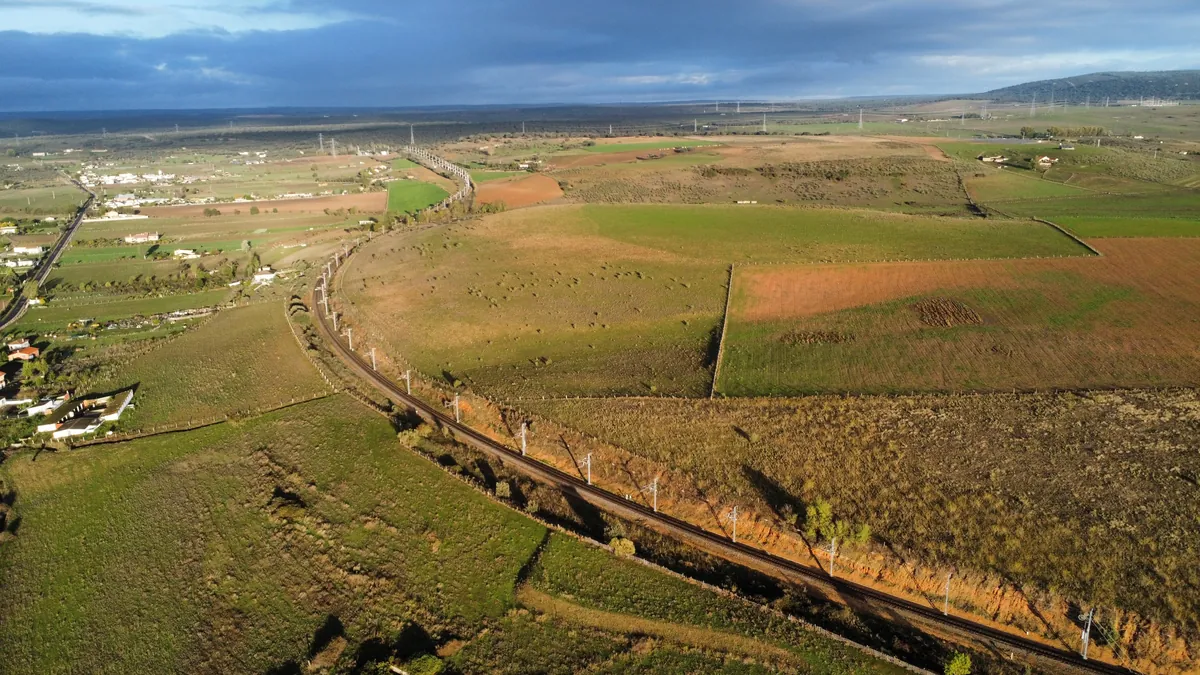
Agallas belongs to the comarca of Ciudad Rodrigo and stands at around 800 metres above sea level. The landscape is stark, shaped by granite and open dehesa, a type of pastureland dotted with trees common in western Spain. Silence here is not curated or romanticised. It is simply what happens when time passes without a car going by.
Granite streets and houses built for cold winters
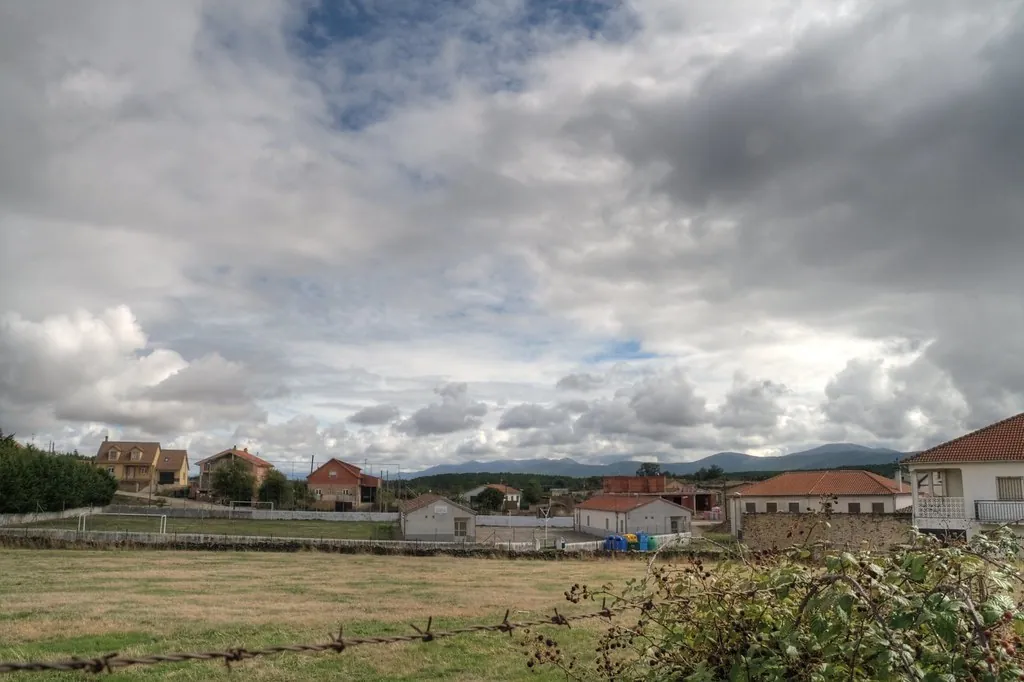
The village itself is quick to walk through. There is no complexity in its layout. Streets are uneven, granite is everywhere, and the houses are built from stone taken directly from the surrounding land.
Looking more closely reveals small details that say a lot about how people have lived here. Carved lintels above doorways, old roof tiles, and enclosed yards where livestock was once kept. These are modest features, but they reflect decades of daily life.
At the centre stands the church of San Pedro. It is simple in form, with a stone bell gable and an interior without elaborate decoration. It fits naturally with the overall character of the village.
Traditional houses have thick walls and relatively small windows. This was not about style but about coping with cold winters. Many homes now remain closed for long periods, though some residents continue the usual routines. Doors left open, someone sweeping the entrance, two people chatting in the middle of the street without hurry.
The surrounding landscape
The setting shapes Agallas as much as the village itself. This area is part of what is often called the Sierra de Gata in Salamanca, a quiet mid-mountain region where the countryside shifts noticeably with the seasons.
In summer, the land leans towards dry yellow tones as heat and lack of rain take hold. Spring and autumn bring back the green, with meadows filling out and oak trees and holm oaks spreading across the dehesas.
Much of the land is used for livestock farming, especially free-range cattle. It is common to see animals moving slowly beneath old trees, spread out across what feels like an immense natural park.
Walking quietly increases the chances of spotting wildlife. Foxes are sometimes seen, and wild boar can be heard moving through dense vegetation. Above, birds of prey circle over the open fields.
Walking the old paths
There are paths to walk around Agallas, though they are not marked in the way many visitors might expect. There are no signposted trails with panels or coloured arrows.
These are traditional rural routes. Some lead to farms, others follow old livestock tracks used for generations. For those who enjoy walking without much guidance, there is a certain appeal.
It is sensible to ask a local resident which routes are accessible without crossing into restricted land. A mobile phone with GPS or a reliable map also helps. Between gates, fences and forest tracks, it is easy to lose direction.
In autumn, many people head into these hills to look for mushrooms. It is an activity that requires knowledge and caution. Correctly identifying species is important, and many areas are privately owned.
Daily life and local food
Life in Agallas remains closely tied to the land. Livestock, small vegetable plots and seasonal work still define much of the routine.
Local cooking depends on what is produced nearby. Beef from the surrounding area is common, along with homemade cured meats and cheeses that are often made in neighbouring villages. Honey also features regularly, as beekeeping has long been part of the local economy.
As autumn arrives and the nights turn colder, chestnuts begin to appear in the kitchen.
The village becomes livelier during the summer months. Many people who live elsewhere return for a few days, and local celebrations bring neighbours together. For the rest of the year, the atmosphere is much quieter.
Before you go
Agallas is not set up as a tourist destination, and services are limited. It is normal not to find shops open every day.
If planning to spend a few hours here, it makes sense to bring what is needed from Ciudad Rodrigo, which is relatively close and offers a wider range of services. A visit to Agallas is best approached as a slow walk: through its streets, across its landscape, and into a way of life that remains firmly rooted in a small rural community.
It is not a place that tries to draw attention. That may be exactly why it becomes interesting when arriving without expectations. Some villages are understood through their monuments. Agallas makes more sense after a quiet walk and a moment spent listening to the silence.