Full Article
about Alba de Yeltes
Small town on the Yeltes river; summer swimming and fishing spots
Ocultar artículo Leer artículo completo
The church bell chimes midday, but only three people appear in the stone-paved square. One carries bread from the van that visits twice weekly. Another leads a donkey towards fields where holm oaks have watched over livestock since the Moors ruled southern Spain. This is Alba de Yeltes, aSalamancan village where altitude matters more than population figures—786 metres above sea level means winter arrives early, summer stays mild, and mobile phone signals compete with vultures for airspace.
Stone Walls and Silence
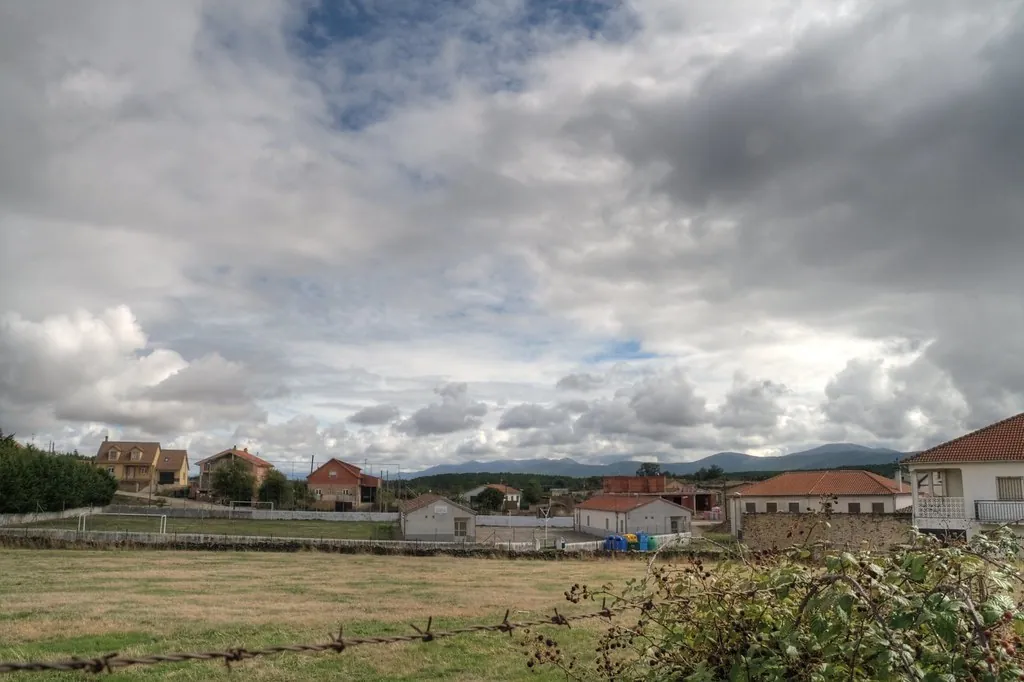
Granite houses shoulder together against Atlantic weather systems that roll across the Spanish plateau. Their clay roof tiles, curved like boat hulls, channel rain away from walls that have survived since the 1700s. Look closer and you'll spot original ironwork on stable doors, stone troughs now filled with geraniums rather than horse feed, and balconies where elderly residents monitor every vehicle that passes—perhaps three per hour.
The parish church dominates this human cluster, its square tower visible across dehesas where black Iberian pigs root for acorns. Inside, simple plaster walls contrast with elaborate baroque altarpieces salvaged from a neighbouring monastery dissolved in 1835. Sunday mass still draws thirty parishioners, more than ten percent of the village's 200 registered inhabitants. The priest drives from Ciudad Rodrigo, twenty-five kilometres west along roads where wild boar crossings outnumber petrol stations.
Photographers expecting picture-postcard perfection might find Alba de Yeltes initially disappointing. Paint peels from wooden shutters. Several houses stand empty, their roofs slowly collapsing under winter snow loads. Yet this honest decay tells Spain's rural story more accurately than any restored heritage site. The village isn't frozen in time—it's adapting to it, one empty dwelling at a time.
Walking Through Living History
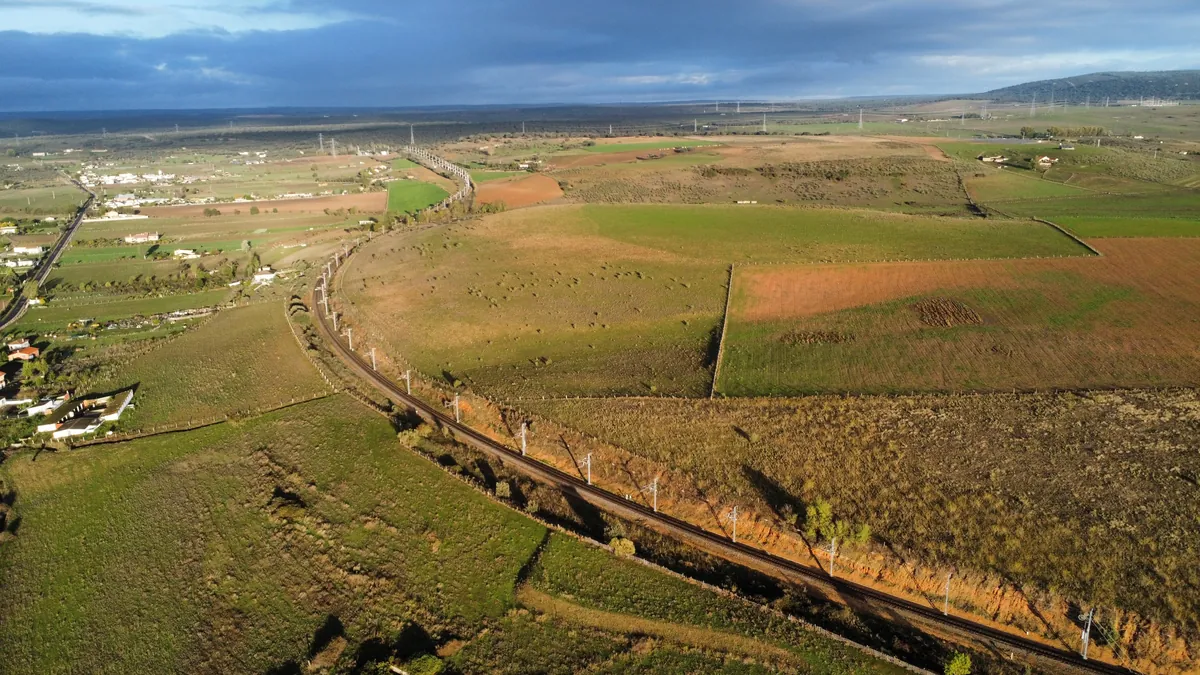
Dehesa landscape surrounds Alba de Yeltes like an ocean. These managed oak savannas, recognised by UNESCO for their cultural significance, stretch towards Portugal on the horizon. Centuries-old holm and cork oaks provide shade for cattle while their acorns fatten the famous jamón ibérico pigs. Between October and February, visitors might encounter traditional montanera feeding, where animals wander freely under trees worth more than the land they grow on.
Several footpaths radiate from the village, though trail marking follows Spanish rural convention—occasional concrete posts painted yellow, often missing. The twelve-kilometre circuit to Villar de Yeltes passes abandoned charcoal burners' huts and medieval pig stone walls where shepherds once sheltered. Spring walking brings wild orchids and the sound of cuckoos calling from oak branches. Summer demands early starts; afternoon temperatures might reach 35°C, but shade remains scarce until oaks mature at fifty years old.
Birdwatchers should pack binoculars and patience. Spanish imperial eagles nest within fifteen kilometres, though spotting these rare raptors requires luck and local knowledge. More reliable are griffon vultures, their two-metre wingspales catching thermals above the village. Spring migrations bring white storks clattering onto church rooftops, while winter visitors include hen harriers quartering fields where wheat once grew.
The reservoir at Irueña, seven kilometres north, offers flatter walking around its twelve-kilometre shoreline. Created in 1963 for irrigation, this artificial lake attracts little tourism infrastructure—no pedalos, no beach bars, just a basic picnic area popular with weekend anglers. Black bass and carp thrive here; fishing permits cost €8 daily from Ciudad Rodrigo tackle shops. Ornithologists visit for winter duck populations, including rare white-headed ducks that shouldn't technically be this far inland.
What You'll Actually Eat
Forget Michelin stars. Alba de Yeltes feeds visitors through three channels: village shop basics, casa rural home cooking, or forty-minute drives to Ciudad Rodrigo restaurants. The shop opens 9-11am and 5-7pm daily except Sunday, stocking UHT milk, tinned tuna, and surprisingly good local cheese made from merino sheep milk. Bread arrives Tuesday and Friday; order loaves by 10am or go without.
Casa rural owners typically provide dinner with advance notice. Expect cocido stew using chickpeas from nearby Moraleja, morcilla blood sausage spiced with local paprika, and beef from retinta cattle that graze surrounding dehesas. Portions reflect agricultural appetites—main courses easily serve two restrained British diners. House wine comes from Toro, sixty kilometres east, where thick-skinned tempranillo grapes survive continental temperature swings.
Breakfast presents challenges. Spanish village cafes rarely exist anymore; Alba de Yeltes lost its last bar in 2018. Self-caterers should stock up in Ciudad Rodrigo before arriving. The Monday market there sells excellent chorizo from Candelario mountain villages, while supermarket chains offer familiar British comforts for homesick travellers. Local olive oil, pressed from groves near Morón de Almazán, costs half UK prices and travels well in hold luggage.
Seasons and Sensibilities
March brings sudden weather changes. Morning frost might give way to 20°C sunshine by lunchtime, then Atlantic storms arrive overnight. Pack layers and waterproofs regardless of forecasts. April showers aren't gentle English drizzles but dramatic thunderstorms that turn dirt tracks into muddy streams. Wildflowers compensate—poppies paint fields red while almond blossom whitens abandoned terraces.
Summer visits require realistic expectations. July and August temperatures regularly exceed 35°C at midday. Village houses lack air conditioning; thick stone walls keep interiors cool but outdoor activities demand 6am starts. Afternoons become siesta time for good reason. August fiestas bring temporary population explosion—perhaps 800 people attend the weekend's street party, complete with brass bands and bull-running through narrow lanes. Book accommodation twelve months ahead; every spare room fills for these three days.
Autumn delivers Spain's best weather. September mornings start fresh but afternoons reach comfortable 25°C. Oak leaves turn bronze across dehesas while mushroom hunters search for níscalos along stream banks. October's montanera season means free-roaming pigs; drivers should reduce speed on regional roads where half-ton animals claim right of way.
Winter hits hard at this altitude. December temperatures drop to -8°C overnight, occasionally bringing snow that isolates the village for days. Four-wheel drive vehicles become essential, though locals manage with decades-old Seat cars and considerable skill. January's matanza tradition sees families slaughter pigs they've fattened all year—visitors expressing horror at blood sausages might receive lectures on sustainable meat production.
Getting There, Staying Sane
Salamanca's airport closed to commercial flights in 2018. British travellers fly to Madrid, then face 2.5-hour drives northwest along A-50 motorway. Car hire proves essential—public transport involves daily buses from Salamanca to Ciudad Rodrigo, then taxis covering final twenty-five kilometres at €40 each way. Roads wind through landscapes where vultures circle above roadkill; night driving requires caution since wild boar populations have exploded without natural predators.
Accommodation means casa rural or nothing. Three properties operate within village boundaries, sleeping 4-8 people from €60 nightly. Expect rustic charm rather than boutique luxury—antique furniture, modernised bathrooms, kitchens equipped for serious cooking. WiFi exists but downloads at 1990s speeds. Mobile coverage varies by provider; Vodafone users might manage WhatsApp while Orange customers climb hills searching for single bars.
Leave urban expectations behind. Alba de Yeltes offers something increasingly rare—authentic rural Spain adapting to twenty-first-century realities without selling its soul to tourism. The village won't entertain you. Instead, it provides space to entertain yourself: walking ancient paths, watching vultures soar, understanding how dehesa management shaped Iberian culture for three millennia. Bring good boots, bird books, and patience for Spanish timekeeping. The oaks have waited centuries; they'll wait for you too.