Full Article
about Aldea del Obispo
Historic border municipality that is home to the impressive Real Fuerte de la Concepción.
Ocultar artículo Leer artículo completo
The Fort That Isn't Quite Here
The star-shaped Real Fuerte de la Concepción appears on most tourist maps of western Salamanca, but the arrows pointing to Aldea del Obispo are misleading. The eighteenth-century fortress sits alone on a ridge one kilometre outside the village, surrounded by nothing but wheat fields and the occasional grazing cow. This sets the tone for Aldea del Obispo itself: a place where expectations need adjusting, and where the real attraction is the space between things rather than the things themselves.
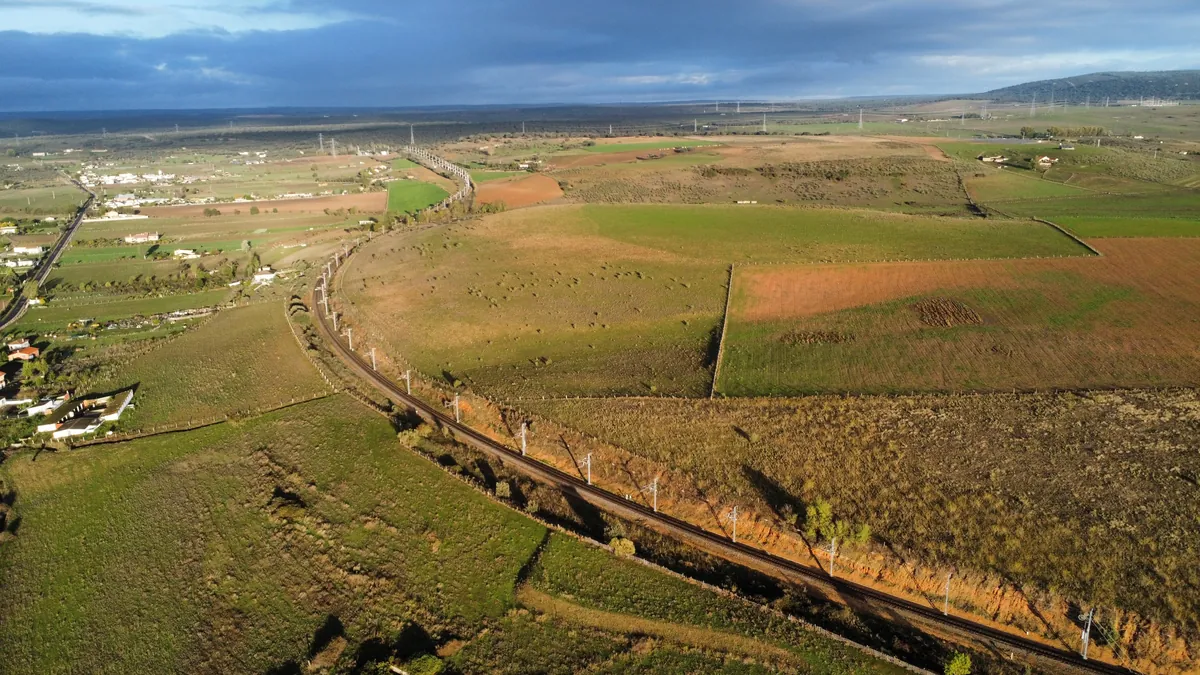
At 690 metres above sea level, the village sits high enough that the air carries a clarity rarely found in Britain. On clear days, the Sierra de Francia rises blue-grey to the east; westwards, the land drops gently towards Portugal, invisible but tantalisingly close. The altitude means winters bite harder than along the coast—frost is common from November to March, and snow isn't unheard of—while summers bring relentless sun that turns the surrounding plains gold by late June.
A Village That Measures Time in Harvests
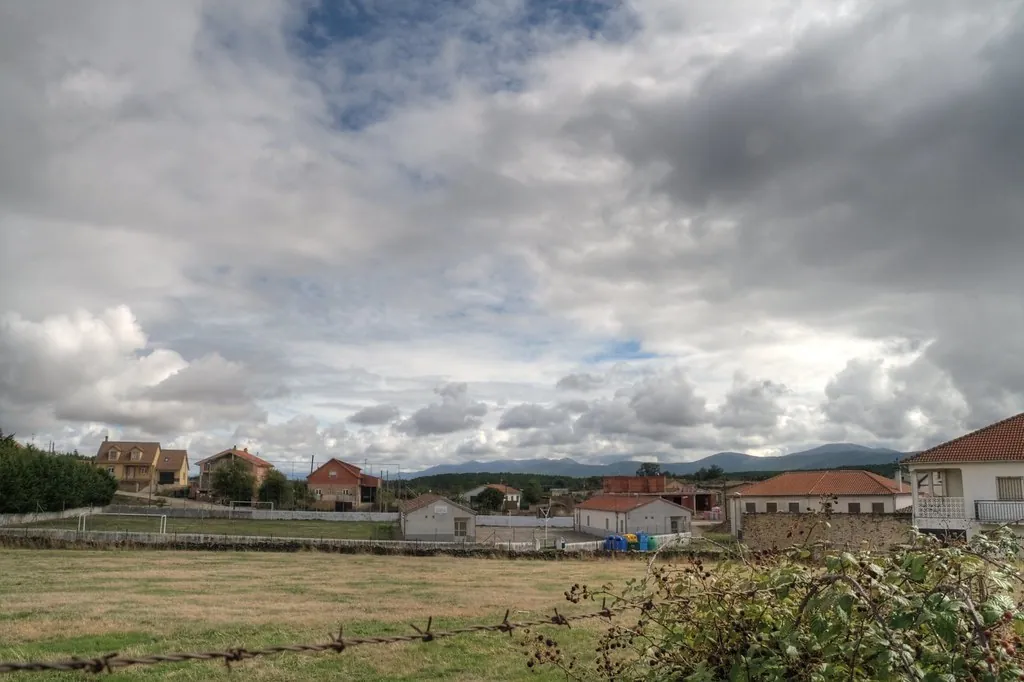
Two hundred souls call Aldea del Obispo home, though numbers swell during August fiestas when emigrants return from Madrid and Barcelona. The village measures time not by tourist seasons but by agricultural cycles: ploughing in October, lambing in February, harvest in July. Stone houses cluster around the parish church tower, their granite walls thick enough to keep interiors cool during August's forty-degree heat. Walk the narrow lanes and you'll spot traditional wooden balconies alongside modern garages housing tractors worth more than the houses themselves.
The church, dedicated to the town's patron saint, opens sporadically—morning mass on Sundays, occasionally for funerals or weddings. Inside, Baroque retablos gleam with gold leaf that catches the filtered light, while the bell tower serves as the village's GPS beacon, visible from kilometres away across the flat agricultural plain. Don't expect guided tours or multilingual leaflets; instead, ask at the ayuntamiento (town hall) on Plaza Mayor, where the secretary might unlock the door if she's not dealing with agricultural paperwork.
Walking Where Portugal Feels Closer Than Civilisation
The countryside surrounding Aldea del Obispo offers proper walking territory—gently undulating plains crisscrossed by farm tracks and medieval paths. The GR-14 long-distance trail passes nearby, following the Portuguese border through dehesas of holm oak and cork trees. Shorter circuits lead north towards the River Águeda or west to Castillejo de Dos Casas, seven kilometres distant with nothing but wheat fields between.
Summer walking requires strategy. Start early—by 10 am the sun becomes punishing—or wait for evening when temperatures drop and the light turns honey-coloured across the cereal fields. Spring brings wildflowers and comfortable temperatures, while autumn offers mushroom-foraging opportunities in the oak woods. Winter days can be crystal-clear perfect, though you'll need proper layers as the wind carries real bite.
Mobile signal disappears within minutes of leaving the village, so download offline maps beforehand. The tracks are generally well-maintained farm roads, but after heavy rain they turn to mud that would challenge a Range Rover, let alone a hire car.
Eating When There's Nowhere to Eat
Here's the thing about Aldea del Obispo's culinary scene: there isn't one. The village's single bar opens at 8 am for coffee and churros, closes at 2 pm, and might reopen at 7 pm if the owner's daughter isn't playing football in Ciudad Rodrigo. No restaurants, no tapas tours, no gastro-anything. This isn't a charming quirk—it's a genuine logistical challenge that catches visitors unprepared.
The nearest supermarket stands twenty-five kilometres away in Ciudad Rodrigo, so self-caterers must shop en route. Casa Rural Los Boliches offers the only accommodation with food, serving simple grilled meats and chips to guests who book ahead. Otherwise, plan day trips around mealtimes—Ciudad Rodrigo's Plaza Mayor hosts several decent restaurants serving local specialities like hornazo (a meat-stuffed pastry) and roasted lamb.
Bring euros, naturally, but also bring snacks. The village has no cash machine, and the nearest petrol station requires a fifty-kilometre round trip. Several British visitors have learned this the hard way, stranded with empty tanks and empty stomachs on Sunday afternoons when everything shuts.
Borderland Blues and Practical Realities
Aldea del Obispo sits closer to Portugal than to Salamanca city, and this proximity shapes daily life. Locals pop across for cheaper petrol, while Portuguese day-trippers appear at the fort on weekends. The border itself feels theoretical—country lanes simply become Portuguese after a certain point, though customs officers occasionally appear at the main crossings.
Getting here demands wheels. One bus daily connects to Salamanca, departing at 3:30 pm and returning at an eye-watering 7 am next day. Weekends see no service at all. Driving from Madrid takes two and a half hours via the A-50 and A-62 motorways, then twenty minutes on the SA-215—a good road that nevertheless feels endless as it straight-lines across empty plains.
The fort provides the only genuine tourist infrastructure, opening 10 am to 6 pm April through October. Entry costs €4, including access to ramparts with views stretching thirty kilometres in every direction. Inside, exhibitions explain the fortress's role guarding the border during the Napoleonic Wars, though information panels remain resolutely Spanish-only.
When Silence Becomes the Main Attraction
Night falls hard in Aldea del Obispo. By 10 pm the plaza empties, lights switch off, and silence becomes almost physical. On clear nights the Milky Way appears with a clarity impossible in southern England—no light pollution, no traffic, just the universe spread overhead. Foxes bark from the surrounding fields, while owls hunt along the stone walls separating properties.
This isn't a village for ticking off sights or building Instagram stories. It's a place for reading that book you've carried since Gatwick, for walking until your legs ache, for remembering what proper dark tastes like. The lack of facilities isn't romantic—it's occasionally frustrating, sometimes boring, always real.
Come prepared or don't come at all. But if you do arrive with full petrol tanks, stocked cupboards and realistic expectations, Aldea del Obispo offers something increasingly rare: a Spanish village that remains exactly what it claims to be, neither more nor less.