Full Article
about Carpio de Azaba
A farming town known for its fighting-bull ranches and pastureland.
Hide article Read full article
Carpio de Azaba: a frontier village in the dehesa
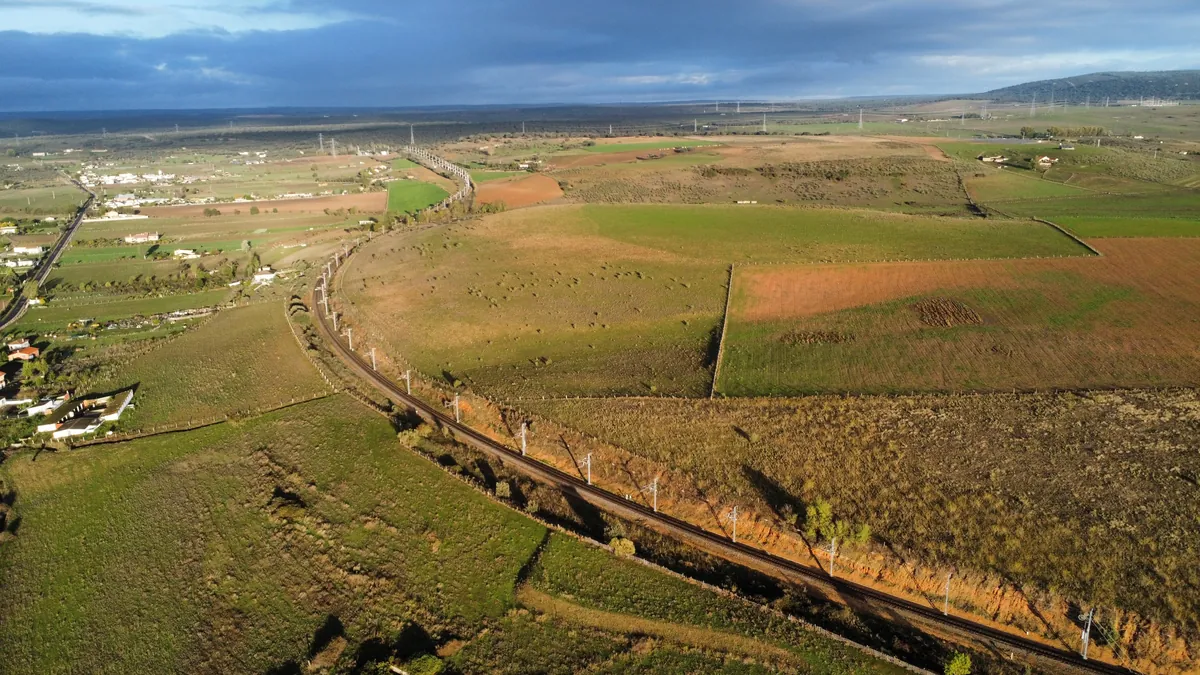
Carpio de Azaba sits in the south-west of Salamanca province, part of the historic territory of Ciudad Rodrigo. Its name comes from the Azaba river, a modest watercourse that carves a small valley through the dehesa. The landscape here is one of holm oaks, granite and pasture. It feels less like a place you pass through and more like a place you arrive at, a settlement shaped by its role as a border outpost for centuries.
The village has about 110 inhabitants. Its layout and architecture speak directly to its past. After the repopulation efforts of the Kingdom of León, this area became a stable frontier by the end of the 13th century. That long history as a border zone explains the scattered settlements and the enduring reliance on extensive livestock farming. The land was managed for resilience, not for show.
The architecture of utility
The parish church of San Miguel anchors the village. It is a sober stone building, largely from the modern period, likely built over an earlier structure. Churches in this part of Salamanca were often rebuilt between the 16th and 18th centuries, once populations stabilised. Its plain style is typical: these were buildings for community use, not for architectural statements.
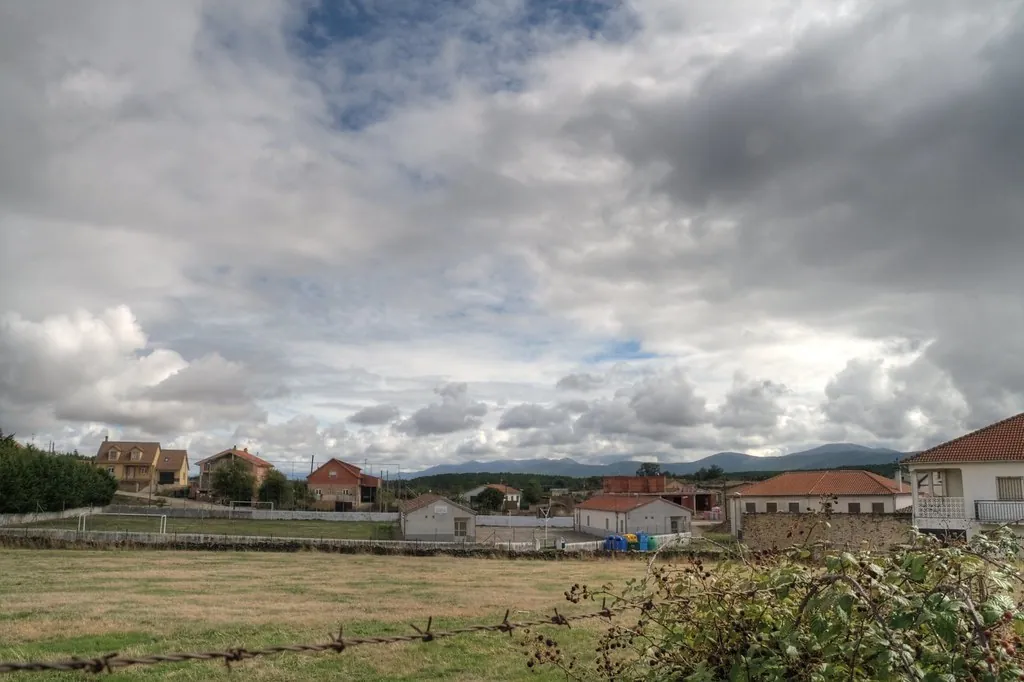
Houses radiate from this core. They are built from masonry, with granite used for corners and doorframes. Many retain wide gates and attached outbuildings that were once stables, tool sheds or storage for harvest. These features are not decorative. They show how daily life was organised around agricultural work. Yards and barns still sit among the homes, blurring the line between living space and working land.
A landscape managed by hand
The surrounding dehesa is not wilderness. It is an ecosystem crafted by centuries of pastoral use. Holm oaks were thinned to create pasture; agricultural plots were cleared between stands of oak. The open, park-like appearance is the result of deliberate choice and sustained labour.
Walking the farm tracks that lead from the village, you see how this works. The terrain shifts gradually: open pasture gives way to denser scrub near the river, where ash trees and brambles grow. Granite outcrops and rounded boulders break the horizon, exposed by erosion and field clearing. The paths themselves are functional, used for moving cattle. They offer a direct understanding of the land’s purpose.
Wildlife is woven into this working environment. Storks nest in the village. Kites and other birds of prey circle over the dehesa, a common sight. In autumn, the deep bellow of the deer rut carries across the countryside at dusk.
Practical notes
Carpio de Azaba lies close to the Portuguese border, within the comarca of Ciudad Rodrigo. The road network is rural, serving farms and villages. The area is best explored by car.
The local festive calendar peaks in summer, when residents return for patron saint celebrations. A more private tradition is the matanza, the domestic slaughter of the pig, which some households still practice in winter. It is a family affair, focused on preserving techniques and recipes.
For supplies or a wider range of services, Ciudad Rodrigo is the nearest significant town. The culinary tradition there—centred on pork, game and pulses—reflects the produce of this dehesa landscape.