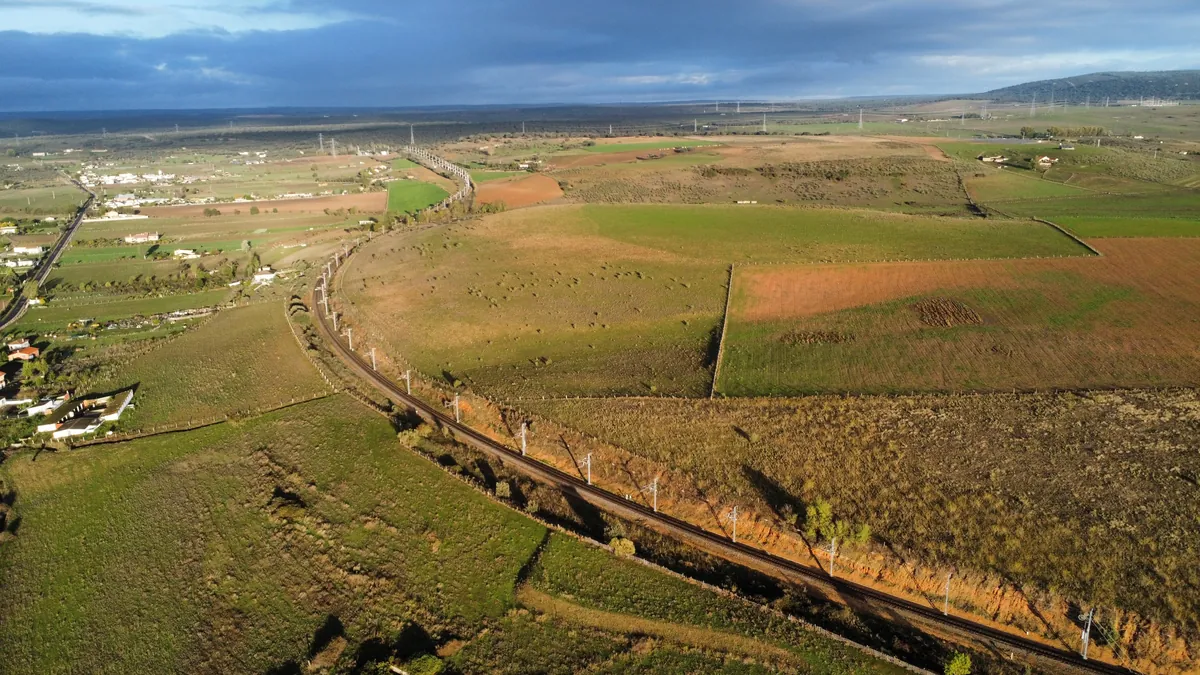
Vista aérea de Castillejo de Dos Casas
Instituto Geográfico Nacional · CC-BY 4.0 scne.es
Castilla y León · Cradle of Kingdoms

Castillejo de Dos Casas

The tractor arrives before you do. It'll probably be blocking the single road into Castillejo de Dos Casas, its driver nodding a greeting that sugg...

71 inhabitants
719m Altitude

Why Visit

Church Local history

Best Time to Visit

summer

San Cristóbal (July) julio

Things to See & Do
in Castillejo de Dos Casas

Heritage

  • Church
  • Vernacular architecture

Activities

  • Local history
  • Tranquility

Festivals
& & Traditions

Fecha julio

San Cristóbal (julio)

Las fiestas locales son el momento perfecto para vivir la autenticidad de Castillejo de Dos Casas.

Full Article
about Castillejo de Dos Casas

Small village near Fuerte de la Concepción with a borderland past

Ocultar artículo Leer artículo completo

The tractor arrives before you do. It'll probably be blocking the single road into Castillejo de Dos Casas, its driver nodding a greeting that suggests visitors remain a curiosity worth pausing for. At 719 metres above sea level, this Salamancan hamlet of fifty-nine souls operates on agricultural time rather than tourist schedules—a fact that becomes immediately apparent when searching for somewhere to park. There isn't anywhere, really. Just pull onto the verge and hope nobody needs to bring sheep through.

The Architecture of Everyday Life

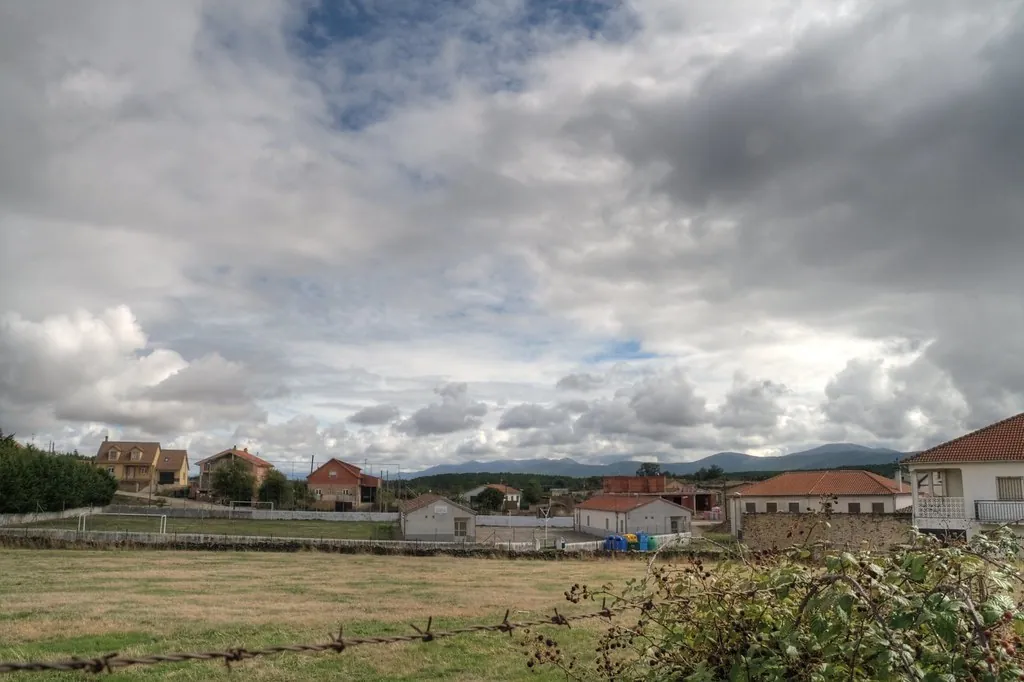
What passes for sightseeing here requires recalibration of expectations. The parish church stands plain-faced against the sky, its modest bell tower serving as both landmark and weather vane for a community that measures seasons by planting cycles rather than calendar pages. Built from local stone that matches the surrounding fields, it embodies the Castilian philosophy that buildings should work for their keep rather than preen for photographs.

The houses follow suit. Low structures of stone and adobe cluster along lanes barely wide enough for a modern car, their ground floors still housing livestock rather than gift shops. Many retain the original wooden doors with centuries of gouges from passing agricultural machinery. Some properties show fresh plaster and new roofs—evidence of children returning to restore family homes—while others slump quietly toward ruin, their abandonment as much part of the narrative as the renovations. This isn't picturesque decay curated for visitors. It's simply what happens when rural economics shifts and grandparents die.

Walking the three principal streets takes twenty minutes if dawdling. Longer if stopping to examine the ingenious water channels that run along wall bases, or to peer into courtyards where chickens scratch between tractor parts. The village's name—literally "Little Castle of Two Houses"—proves misleading. Nobody's found evidence of either castle or the eponymous pair of houses. Local theory suggests the name derived from two fortified farmsteads that once stood nearby, though asking residents produces more shrugs than certainties.

Working Landscape

The real monument here spreads beyond the village limits. Fields of wheat and barley roll toward every horizon, their colours shifting from spring's optimistic green through summer's parchment gold to autumn's exhausted stubble. The landscape lacks drama by design—this is farming country, not scenery. Dry stone walls mark boundaries older than most nation states. Ancient holm oaks scatter across the plain, their shade preserving patches of grass for grazing cattle.

Walking tracks exist, though "track" flatters what are essentially farm access roads. Follow any for twenty minutes and you'll encounter more wildlife than people—kestrels hunting field margins, hoopoes probing grass verges, the occasional red kite circling overhead. Spring brings wildflowers in colours that seem almost aggressive against the earth tones: purple tufted vetch, yellow Spanish broom, white asphodels that the locals call "laurel of Saint Joseph" and use to decorate graves on All Saints' Day.

The cereal harvest dominates late June through July, when combines work from dawn past dusk and the air smells of dust and grain. Visit then and you'll share roads with tractors hauling grain trailers, their drivers raising fingers from steering wheels in acknowledgement of your presence. August burns everything to dusty submission. September offers brief respite before autumn rains, when migrant birds pause to refuel before crossing the Sierra de Gata to the south.

Practical Realities

Let's be clear about what Castillejo de Dos Casas doesn't offer. There's no café, no restaurant, no shop selling local crafts because nobody makes them. The nearest petrol station sits twelve kilometres away in El Bodón, a town that seems metropolitan by comparison with its own pharmacy and cash machine. Mobile phone signal arrives sporadically, depending on weather and which network you've unwisely chosen.

Ciudad Rodrigo, twenty-five minutes drive west, provides the nearest accommodation worth booking. Its medieval centre rewards a full morning's exploration—cathedral, castle walls, Plaza Mayor lined with bars serving proper coffee rather than the instant variety you'll get if invited into someone's home here. The drive between settlements crosses country that saw heavy fighting during the Peninsular War; information panels mark spots where Wellington's troops skirmished with French forces, though they've mostly been used for target practice by local hunters.

Timing visits requires thought. Summer fiestas in late August briefly triple the population as emigrants return from Madrid and Barcelona. The village fills with sounds of generators powering sound systems for outdoor dancing, and the church bell rings with enthusiasm rather than duty. Any other time, silence dominates—broken by dogs announcing your arrival to anyone listening, which might be nobody.

The Unvarnished Truth

Castillejo de Dos Casas will disappoint anyone seeking rural Spain's greatest hits. There's no olive grove to wander through, no vineyard offering tastings, no ancient monument to justify the journey. What exists instead feels more valuable precisely because it lacks tourism's artifice—a place where Spanish country life continues because it must, not because visitors pay to observe it.

The village operates as a litmus test for travel preferences. Those who find beauty in function—who can appreciate a perfectly maintained threshing floor or admire the engineering of an irrigation channel—will discover rewards beyond measure. Others, seeking Instagram opportunities or culinary adventures, should probably keep driving toward the wine routes of neighbouring provinces.

Come here to understand why rural Spain empties despite its obvious charms. Stand in the Plaza de España at midday and feel the heat radiating from stone walls, then comprehend why young people trade this for Madrid's suburbs. Watch elderly residents shuffle to the church for evening mass and grasp the mathematics of depopulation. This isn't heritage preservation—it's life support, maintained through stubbornness and subsidised by children working in cities.

Leave before sunset unless you've arranged accommodation elsewhere. The village has no street lighting beyond a single bulb outside the ayuntamiento, and finding your car in darkness requires either excellent memory or phone torch battery. As you drive away, headlights sweeping across wheat fields, the tractor might still be parked where you first encountered it. The driver will still be there too, checking something in his trailer, working to a timetable that started long before you arrived and will continue long after you've forgotten this place exists.

Key Facts

Region
Castilla y León
District
Ciudad Rodrigo
Coast
No
Mountain
No
Season
summer

Official Data

Institutional records and open data (when available).

  • CASTILLO DE "EL GARDON"
    bic Castillos ~3.5 km
  • FUERTE DE LA CONCEPCION
    bic Monumento ~1.1 km

Planning Your Visit?

Discover more villages in the Ciudad Rodrigo.

View full region →

More villages in Ciudad Rodrigo

Traveler Reviews