Full Article
about Ituero de Azaba
Town with a medieval bridge and a well-preserved Mediterranean forest setting
Ocultar artículo Leer artículo completo
The morning flight from Stansted lands at Salamanca before the Spanish sun has properly warmed the tarmac. Ninety minutes later, after a motorway that thins into the SA-300, the hire car bumps onto a dirt track fenced with granite posts. A hand-painted board reads Dehesa de Ituero. You have arrived, though the sat-nav still insists the village centre is a kilometre further on. Welcome to Ituero de Azaba, population 183 humans, several thousand Iberian pigs and an uncounted parliament of cork oaks.
Granite, pigs and silence
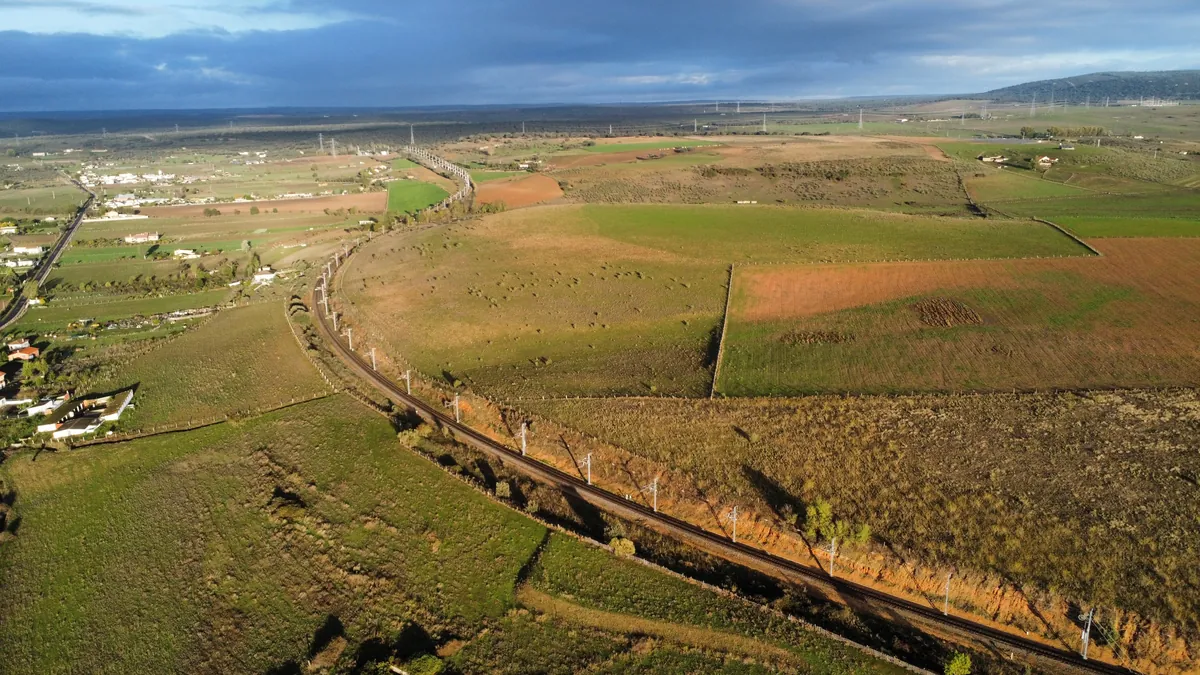
Most British visitors sprint past this corner of Salamanca province on their way to Portugal or the prettier plazas of Ciudad Rodrigo. Those who stop discover a landscape that works for its living. The dehesa—an open woodland of holm and cork oak—feels like an English park left to grow pragmatic. Beneath the trees, charcoal-coloured pigs nose for acorns; between the trunks, stone walls partition fields whose grass is cropped by merino sheep. The only permanent soundtrack is the clonk of a distant cattle bell and, in October, the soft pop of acorns hitting car roofs.
Altitude here is 650 m, high enough to shave the edge off summer heat yet low enough to avoid snow-blocked roads in winter. Spring arrives late—April brings drifts of white rockrose and sudden flocks of storks heading north—while autumn stretches into November, when the oaks flame copper and mushroom foragers fan out at dawn. Even in August the nights cool enough to need a jumper, a mercy if you have been baking on the meseta all day.
What passes for a high street
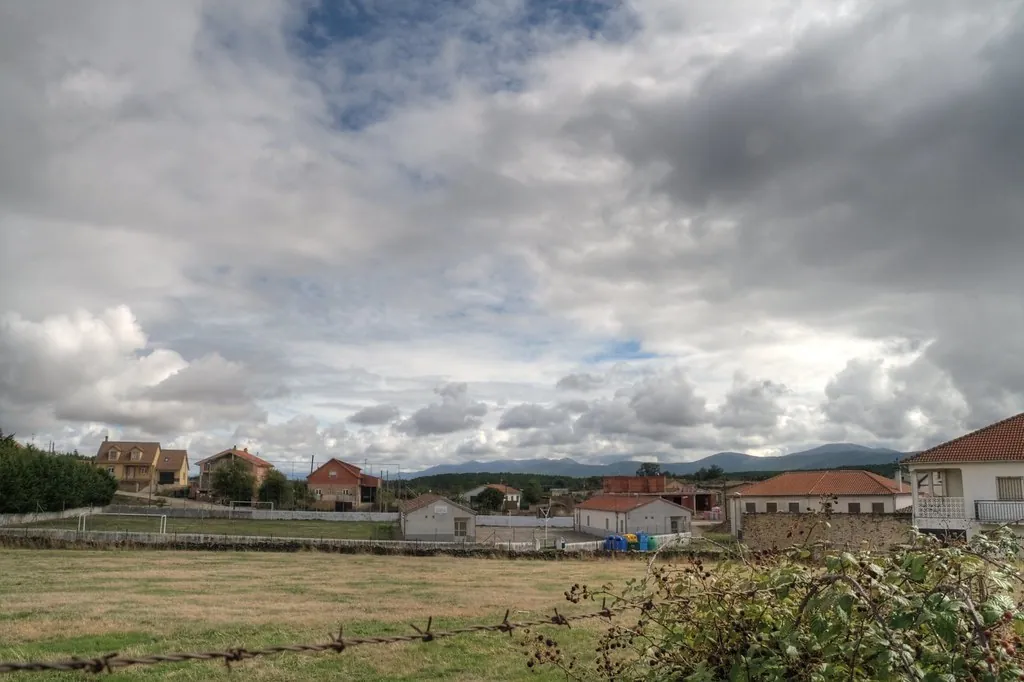
The village itself clusters round a single road that peters out into track after track. There is one bar, Casa Juana, open Thursday to Sunday in winter, seven days when the fiestas draw grandchildren back from Madrid. Inside, coffee is €1.20 and the television shows bull-running highlights on loop. Juana keeps a ledger rather than a card machine; sterling is politely refused, so bring euro notes—preferably small ones.
Facing the bar stands the stone parish church, locked except for Sunday mass at eleven. Its bell still marks the agricultural day: six for labourers, twelve for lunch, nine for last orders in the fields. Headstones in the adjoining cemetery list generations of Cepedas and Martíns; many epitaphs end with "dormido en la dehesa", asleep in the dehesa, a gentle euphemism for those who never left.
Farm vehicles and wine glasses
Tourism, such as it is, centres on three self-catering houses gathered under the name Dehesa de Ituero. The British-run website promises Wi-Fi, bikes at no extra charge, and a small menagerie of donkeys and hens to keep children occupied while parents taste the estate’s own crianza. The red is softer than the tannic young wines farther north—aged six months in American oak, it slips down easily with the local morucha beef, a lean cut that tastes like a polite rib-eye.
A 4×4 farm tour departs at six most evenings (€25, children half-price). Guests bounce along dusty lanes while the guide explains the cork harvest: vertical cuts, peel by hand, nine-year wait before the same tree is ready again. Back at the stone barn, plates of chorizo appear—air-dried, faintly smoky, nothing like the fiery orange discs sold in UK supermarkets. Vegetarians are catered for, but you need to warn them at breakfast; supplies are fetched from Ciudad Rodrigo market that morning.
Walking without waymarks
Proper footpaths do not exist. Instead, a lattice of farm tracks fans out, passable provided you close every gate and keep dogs on leads—fighting livestock is taken seriously and farmers carry shotguns in their pickups. A straightforward circuit heads south-west along the Azaba stream, past abandoned watermills and knee-high brambles, then climbs back through olive-coloured pasture. Allow two hours, take more water than you think necessary, and download an offline map before leaving the router’s range.
Birders arrive in April and September, when honey-buzzards ride thermals above the ridge and black vultures tilt against the sky. Even novices notice the difference between the village swallows—mud nests under Juana’s eaves—and the crag martins that nest beneath the road bridge. A pair of binoculars earns instant respect; locals will point you toward the quarry where eagle owls breed most years.
Fiestas, cold and crowded
The calendar revolves around San Blas (3 February) and the August feria. Winter visitors who brave the 90-minute drive from Salamanca airport are rewarded with the matanza: families slaughter one pig, share the work, feast for days. An invitation is possible if you buy a round in the bar and ask politely; vegetarians should feign an early night. Temperatures can dip below freezing, but the communal fireplace is large enough to roast an ox, and the red wine is served in coffee mugs to keep fingers warm.
August reverses the equation. Population swells to 600, terraces spill into the lane, and the solitary village fountain becomes a meeting point for teenagers comparing TikTok videos. Book accommodation months ahead; the three rental houses fill first, then motorhomes colonise the sports field. Fireworks start at midnight and cease only for the Sunday procession, when the Virgin is carried beneath a canopy of paper flowers handmade by primary-school children.
Getting it right
Salamanca airport (Ryanair from Stansted, March–October) is the quickest gateway. If fares are steep, fly into Porto instead; the drive east across northern Portugal is motorway all the way and border formalities take seconds. A hire car is non-negotiable—public transport is the school bus that leaves Ciudad Rodrigo at two and returns empty at four. Fill the tank before leaving the A-62; rural pumps close on Sundays and fiestas.
Cash remains king. Juana’s bar, the bakery van that visits on Wednesdays, even the 4×4 tour operator prefer notes to contactless. Phone signal flickers inside the dehesa; WhatsApp voice messages arrive in clumps when you crest a ridge. Accept the disconnection—Ituero de Azaba is not selling Instagram moments, it is offering a working lesson in how Spaniards have husbanded these borderlands since the Romans marched through on their way to Lisbon.
Leave before dawn on the final day and you will meet farmers heading out to check pig fences, head-torches bobbing like low stars. They nod, unsmiling, respectful of strangers who rose early enough to understand the routine. Back on the SA-300 the cork oaks thin, the tarmac widens, and the twenty-first century reasserts itself with a speed-camera sign. Somewhere behind, the village has already forgotten you; the pigs and the oaks have not.