Full Article
about Alamedilla (La)
Border town with Portugal known for its folklore and traditional songs
Ocultar artículo Leer artículo completo
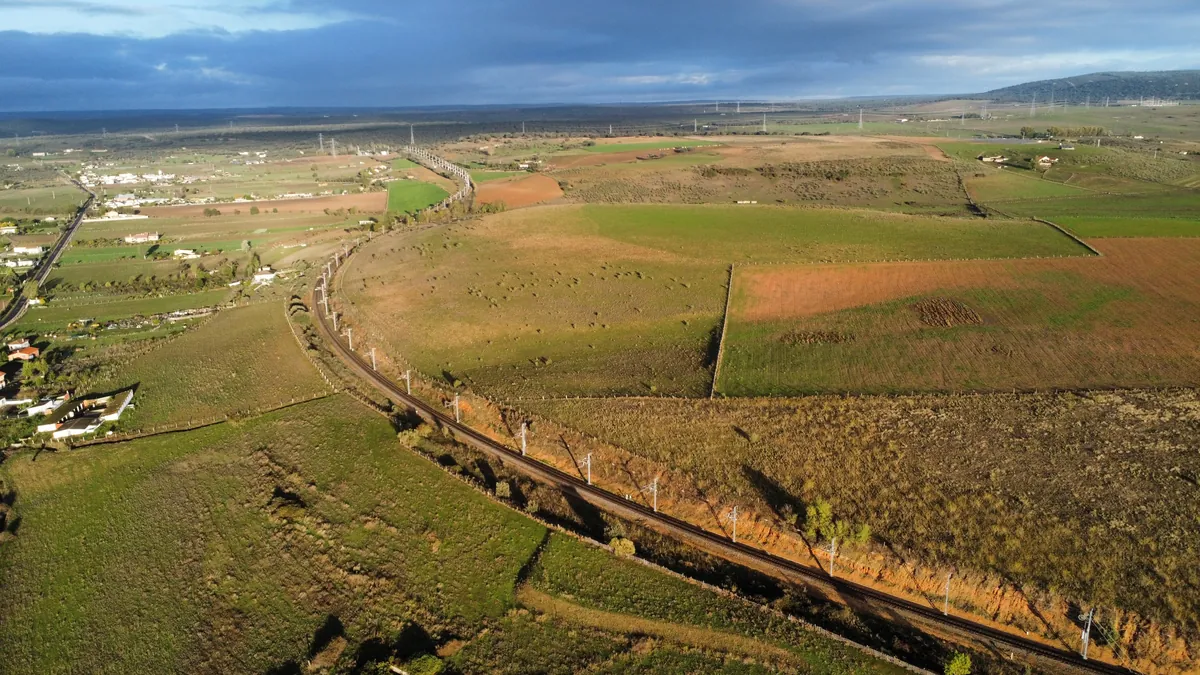
The church bell tolls at noon, but only three people hear it. One tends bar, another sweeps dust from a doorway, and the third watches sheep shuffle past the stone trough. This is La Alamedilla at 756 metres, a borderland village where silence weighs more than visitors and the dehesa stretches west until it meets Portugal.
Stone, Oak and Sky
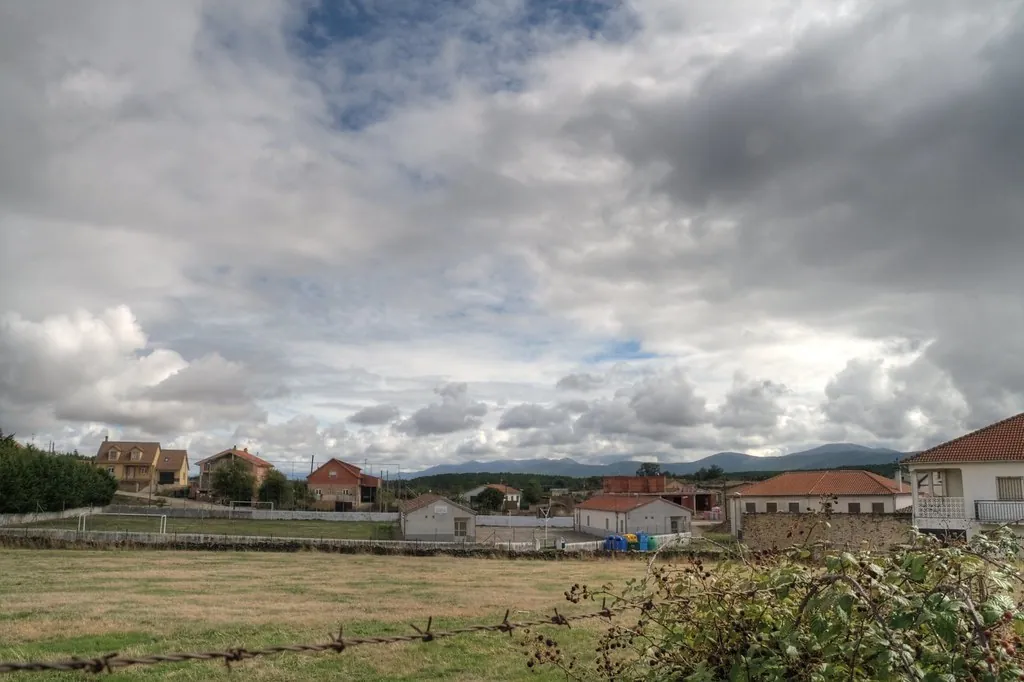
Every house here speaks the same dialect: granite corners, timber doors thick as castle gates, roofs tiled in clay the colour of rusted ploughs. The masonry isn’t pretty; it’s honest. You can read the generations in the patched walls—older stones darkened by wood smoke, newer ones still pale and sharp-edged. Walk the single main lane and you’ll pass three haylofts converted into weekend retreats, a shuttered bakery that last sold bread in 1998, and a corral where a tractor tyre swings from an olive tree. No plaques, no guides, just the smell of oak logs and the occasional grunt of a Iberian pig somewhere behind a wall.
The parish church of San Juan Bautista stands square at the top of the rise, its tower visible for miles across the rolling grass. Inside, the nave is cool even in July; the priest arrives twice a month from Ciudad Rodrigo, twenty-five minutes away by the EX-369. If the door is locked, ask at Bar Extremadura—Manolo keeps the key next to the coffee grinder and will insist you sign a visitors’ book that no one has filled since Easter.
Tracks that Remember Smugglers
Leave the tarmac and the world tilts. Ancient drovers’ roads, las cañadas, head northwest towards the Portuguese bridge at Fregeneda, southeast to the granite quarries of Villar de la Yegua. They are barely two metres wide, edged by waist-high walls built without mortar. In spring these lanes glow lime-green; by late June the grass has bleached to biscuit and the only shade is under the holm oaks. Adders sun themselves on the warm stone—listen for the dry rustle that warns you to step aside.
There are no waymarks, so download the IGN 1:25,000 sheet before you set out. A circular tramp of 8 km south to the abandoned hamlet of El Bodón and back takes two hours, gains only 120 m of height, and delivers a solitary picnic spot beside a seasonal stream where bee-eaters dive for dragonflies. After heavy rain the clay sticks to boots like wet cement; in August the dust rises in pale clouds and coats your calves. Carry more water than you think necessary—fountains marked on old maps have been capped for decades.
Birders do better here than hikers. From the cemetery ridge at dawn you can watch black vultures leave their roosts on the Portuguese side, while booted eagles quarter the fields below. A pair of binoculars and a seat on the stone wall normally produces twenty species before coffee time: red-rumped swallows under the arches, crested larks on the track, and if you’re patient, a black-shouldered kite hovering motionless over the verge.
What Passes for Lunch
The village bar opens at seven for farm workers and closes when the last domino falls—usually well after midnight. Coffee is €1.20, a caña of Estrella Galicia €1.50, and the tapas come free if Carmen is in a good mood: perhaps a plate of fried chorizo from the family pigs, or toast rubbed with tomato and draped with jamón from a haunch that hangs behind the counter. There is no written menu; ask what exists and accept it gratefully. Vegetarians receive a larger portion of patatas bravas and a shrug that says, “You chose this.”
For something more formal, drive ten minutes to Fariza and the restaurante Los Tres Olivos (mains €12–€18, closed Tuesday). They serve cocido maragato backwards—meat first, chickpeas after—because that’s how the local muleteers ate on the road. Book ahead even in February; half of Salamanca province seems to descend at weekends for the cecina de León and a bottle of Arribes del Duero.
Winter Whiteness, Summer Roast
Elevation matters. At 756 m La Alamedilla sits 300 m above the Duero valley, so nights stay cool when Madrid swelters. July afternoons can still touch 36 °C, but by ten o’clock the thermometer has tumbled to 17 °C—perfect for sleeping under a single cotton blanket. In January the mercury struggles to reach 7 °C; Atlantic fronts bring snow two or three times each winter, and the EX-369 is treated with grit, not cleared. Carry chains if you plan to arrive between December and March; the last steep kilometre into the village becomes a toboggan run after dusk.
Spring is the pay-off. From mid-April the dehesa erupts into a pointillist canvas of yellow daisies, purple viper’s bugloss and the white brush of hawthorn. Lambs stagger after their mothers, storks clatter on the church tower, and the air smells of broom and wet granite. By late May the grass has seeded and the landscape turns a soft bronze—photographers call it the “Salamanca gold hour” because the light lingers until after nine.
When the Village Returns to Itself
Fiestas patronales arrive on the weekend nearest 24 August. Emigrants drive back from Barcelona, Bilbao, even Birmingham, and the population quadruples. A sound system appears in the plaza, teenagers drink calimocho from plastic buckets, and the priest celebrates an outdoor mass beneath awnings of green and white bunting. On Sunday afternoon a brass band marches the statue of San Juan through streets strewn with rosemary, followed by a tractor dragging a cart of bagpipes that play muiñeiras learned from cousins across the border. By Tuesday morning the visitors have gone, the bar floor is swept clean of confetti, and silence settles again like dust.
If you prefer your culture quieter, come in early December for the matanza weekend. Locals slaughter two pigs in the old corral, boil the bones in vast iron pots, and stuff morcilla with rice and onion while the children watch wide-eyed. Outsiders are welcome to help stir, but ask first—this is food for the year, not tourism.
Beds for the Curious
There is no hotel, only three village houses restored as holiday lets. Casa del Pajar (sleeps four, €90 per night, two-night minimum) keeps its original threshing floor and a fireplace big enough to roast a boar. The English owner leaves maps, bird guides and a note saying the hot-water tank takes six minutes to wake up. Bring slippers—granite floors are cold underfoot even in July. Booking is through Airbnb; mobile signal is patchy, so send questions before you leave the main road.
Alternatively, base yourself in Ciudad Rodrigo where the parador occupies a sixteenth-century palace on the plaza (doubles €120 including VAT). From there La Alamedilla is a twenty-five-minute drive through cork oak and wheat fields, doable for sunrise photography and back in time for lunch at the market café.
Leaving Without a Promise
La Alamedilla will never be “the next” anything. It offers no souvenirs, no sunset viewpoint, no Instagram frame. What it gives instead is a measuring stick: of how slow time can move, of how little noise a landscape can make, of how much stone and oak and sky can fill a morning. Drive away at dusk and the village shrinks in the mirror until only the church tower remains, a dark finger against a bronze field. Then that too is gone, and the dehesa closes behind you like a book that was never really open.