Full Article
about La Bouza
Tiny municipality on the natural border of the Águeda River; riverside landscape and olive groves
Hide article Read full article
When the Silence is Louder Than the Engine
You know those drives where you’ve been on the road for a while, and every village sign feels like a question? You’re near Ciudad Rodrigo, in that part of Salamanca where the land rolls out in gentle dehesas, and you see a name: La Bouza. Population: 48. You think, “I’ll just slow down for a second.” And then you stop. Not because there’s a sign telling you to, but because the quiet here feels physical. It’s the kind of place that makes you turn off the engine just to hear what’s not there.
This isn't a "destination" in the usual sense. It's more like finding an empty bench in a park you never visit. Nothing is waiting for you. And that’s precisely why it sticks with you.
The Village: Stone and Stillness
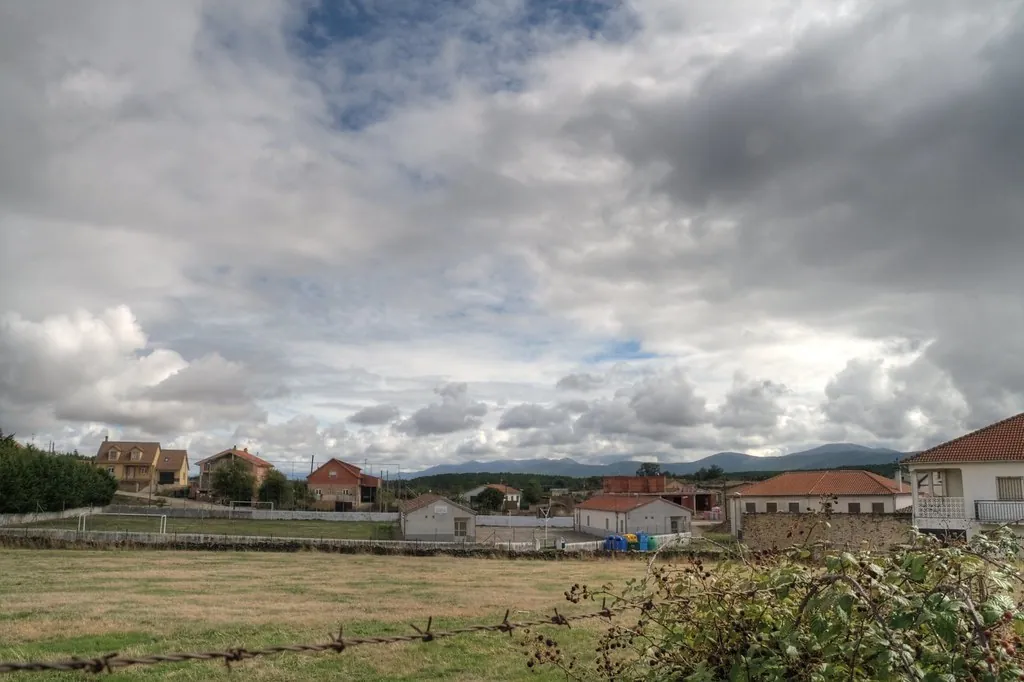
Let's be clear: you don't come to La Bouza for sights. You come for the absence of them. There are no museums, no gift shops, not even a proper bar that's reliably open. The history here isn't behind glass; it's in the mortar between the stones of the houses and in the unpaved streets that seem to follow old cow paths.
The church of San Pedro is about as ornate as a toolbox—solid, rectangular, built from local stone to do a job. It doesn't try to be pretty; it just is. Walking around, you might see one person, maybe two. The silence isn't curated for tourists; it's just how life is when 48 people share a few streets. The rhythm is different. Your phone feels unnecessarily loud.
The Dehesa: Your Backyard
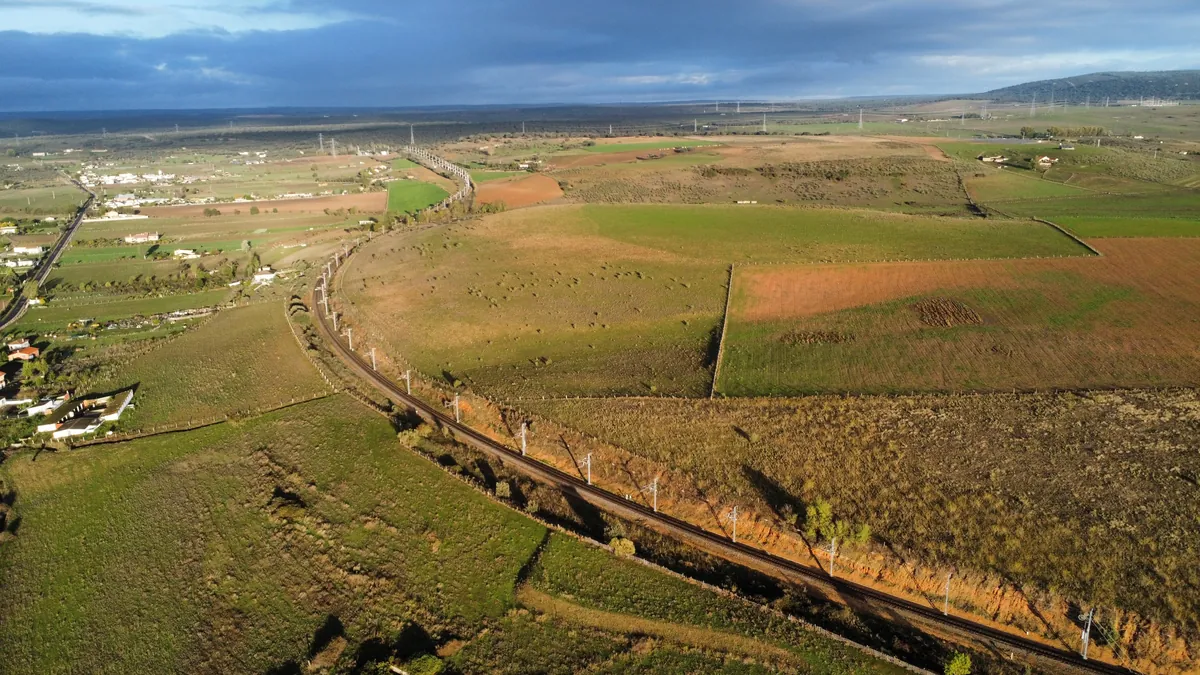
Walk past the last house and you're in it. The Salamanca dehesa opens up, all holm oaks and pasture that turns from green to a dusty blonde by late summer. This isn't a national park; it's working land. You share it with grazing cattle and the ghosts of old farming tracks.
This is where La Bouza makes sense. There are no marked trails, just those farm tracks and animal paths. You can walk for an hour without a plan—the slopes are gentle, the only sound might be your own footsteps and maybe a distant dog. Look up: storks or cranes might be crossing over, especially during migration. Bring binoculars if you have them; this is prime territory for spotting birds of prey circling overhead.
A word of advice: if you go mushroom foraging in autumn (and many locals do), know what you're picking and remember those closed gates mean something. This landscape is generous but private.
Ciudad Rodrigo is Your Contrast
The genius of basing yourself here is that Ciudad Rodrigo is only about 15 minutes away by car. It’s your dose of civilization when you need it—a proper walled town with cobbled streets, places to eat, and that buzz of provincial life. You can go for a chuletón or try the local farinato sausage, then come back to La Bouza’s stillness like hitting a reset button.
It also makes La Bouza a sensible pause if you're traveling along the border with Portugal, what they call la raya. It's not a detour; it's an intermission.
Eating Here Means Eating Local
Don't expect a culinary scene in La Bouza. Expect ingredients. The story here is on the land: Iberian pork from acorn-fed pigs roaming those dehesas, strong artisan cheeses from nearby farms, and humble dishes like patatas meneás. This is home cooking, not restaurant plating. If you're staying somewhere with a kitchen, this is your chance to play with superb raw materials.
For a proper meal out, you drive to Ciudad Rodrigo or one of the other nearby villages. That’s not an inconvenience; it’s just how it works here.
So Why Stop?
La Bouza won't change your life or fill your Instagram feed. What it does is simpler: it gives your trip a different texture. It’s for that part of the afternoon when you just want to sit on a low stone wall and watch the light change on the oak trees. It’s where you realize that in some places, time isn’t measured in hours, but in seasons—the cutting of firewood, the harvesting of olives from the few trees by the stream.
You leave feeling like you didn't so much visit a place as briefly inhabit its pace. And sometimes, that's more than enough