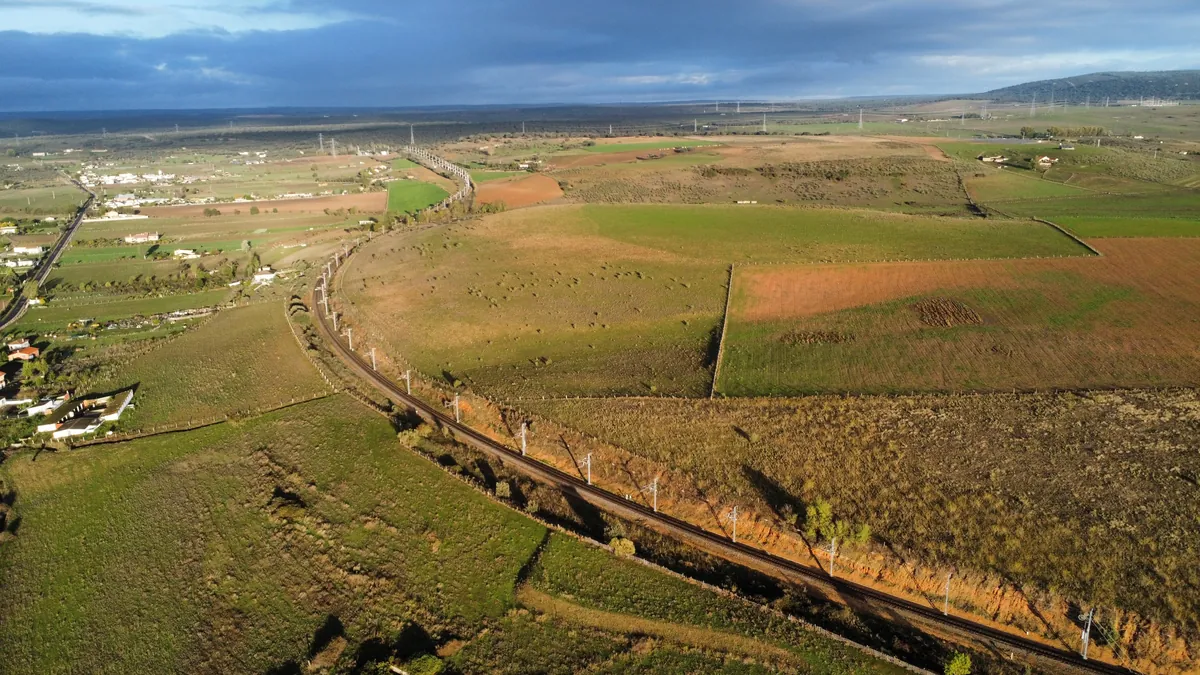
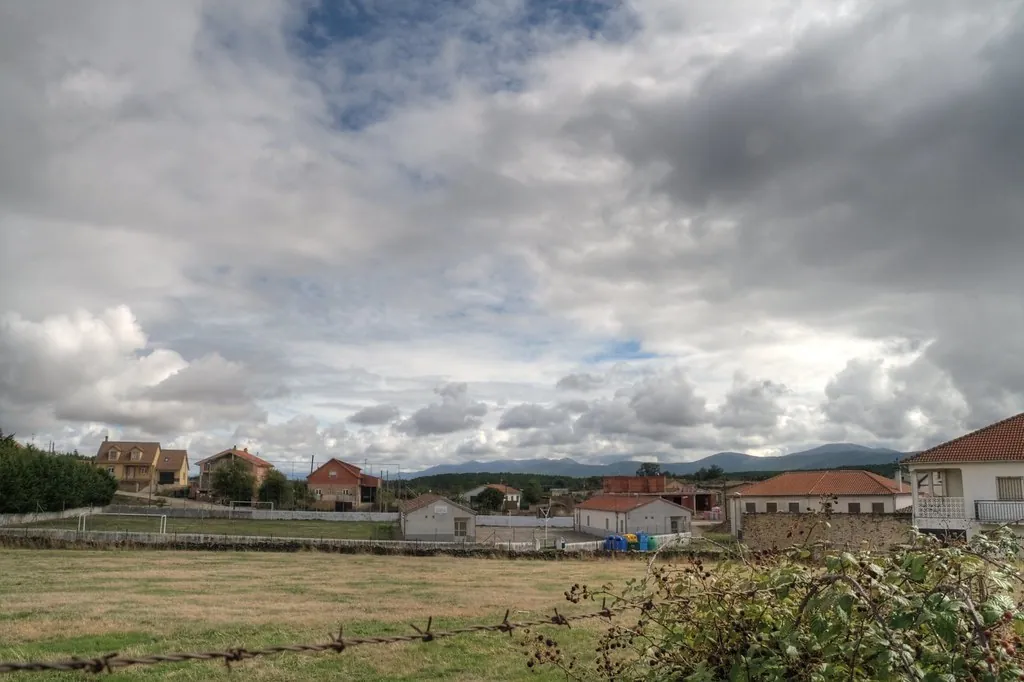
Vista aérea de Morasverdes
Instituto Geográfico Nacional · CC-BY 4.0 scne.es
Castilla y León · Cradle of Kingdoms

Morasverdes

The church bells ring at noon, but nobody hurries. At 893 metres above sea level, time moves differently in Morasverdes. A farmer leads two chestnu...

230 inhabitants · INE 2025
893m Altitude

Why Visit

Mountain Church of San Bartolomé Hiking

Best Time to Visit

summer

Saint Bartholomew (August) agosto

Things to See & Do
in Morasverdes

Heritage

  • Church of San Bartolomé
  • old mills

Activities

  • Hiking
  • Cycling

Festivals
& & Traditions

Fecha agosto

San Bartolomé (agosto)

Las fiestas locales son el momento perfecto para vivir la autenticidad de Morasverdes.

Full Article
about Morasverdes

Town at the turn-off to the sierra; surrounded by meadows and oak woods.

Ocultar artículo Leer artículo completo

The church bells ring at noon, but nobody hurries. At 893 metres above sea level, time moves differently in Morasverdes. A farmer leads two chestnut cows down the main street. A woman in an apron waters geraniums on a stone balcony. The only sound besides the cattle's hooves is the wind through century-old holm oaks that surround this Salmantino village like a vast green cloak.

The Architecture of Everyday Life

Morasverdes won't overwhelm you with grand monuments. Its appeal lies in the unselfconscious beauty of buildings designed for work, not admiration. Granite houses rise two storeys, their ground-floor arches once admitting livestock into stables now converted into garages or storage. Wooden balconies sag slightly under the weight of decades. Stone chimneys lean at improbable angles, yet still draw smoke from kitchens where jamón hangs from ceiling hooks.

The parish church squats solidly at the village centre, built from the same honey-coloured granite as everything else. Its modest façade reveals nothing of the elaborate baroque fantasies found in Salamanca city. This is rural ecclesiastical architecture—practical, proportioned, built by craftsmen who understood both stone and the people who would worship beneath it. The atrium serves as an informal meeting place where elderly men gather to discuss rainfall and cattle prices in the thick Castilian accent that renders Spanish almost incomprehensible to foreigners.

Wander beyond the main street and the village's working character becomes apparent. A barn door stands open, revealing a tractor surrounded by agricultural implements whose purposes remain mysterious to urban visitors. A stone wall contains a perfectly preserved bread oven, its blackened interior suggesting recent use. These aren't museum pieces but functional elements of daily life, maintained because they remain useful rather than photogenic.

The Dehesa: A Landscape Shaped by Centuries

Step beyond the last houses and you enter the dehesa, Spain's unique agroforestry system that creates one of Europe's most human-modified yet biodiverse landscapes. Holm oaks spread their contorted branches across rolling hills, each tree carefully spaced to allow enough light for grass growth beneath. This isn't wild nature but a 3,000-year-old collaboration between humans and environment, producing everything from acorn-fed jamón ibérico to cork, charcoal, and wild mushrooms.

The walking here requires no specialised equipment, merely sensible shoes and respect for private property. Ancient drovers' paths connect Morasverdes to neighbouring villages, their routes dictated by water sources and shade rather than gradient. These caminos reales, royal ways, remain public rights of passage even when crossing private land. Spring brings drifts of wildflowers—purple lavender, yellow Spanish broom, white chamomile—while autumn transforms the landscape into burnished golds and rusty browns.

Birdwatchers should bring binoculars. Spanish imperial eagles patrol these skies, though you're more likely to spot their smaller cousins, booted eagles, riding thermals above the ridge. Woodlarks sing from oak branches. Griffon vultures, wingspans stretching two metres, circle overhead with the patience of creatures who've learned that everything here eventually becomes food. Dawn and dusk offer the best viewing, when the thermals are weakest and birds fly lower.

Seasonal Rhythms and Access Realities

Winter arrives early at this altitude. November often brings the first snow, though heavy falls remain rare. The village's narrow streets become treacherous when ice forms on the cobbles, and the surrounding tracks turn to mud that would defeat a Range Rover. This is the season for indoor pursuits: long lunches based around matanza pork, conversations that stretch across entire mornings, the careful maintenance of tools and traditions.

Spring transforms everything. Temperatures rise quickly at this elevation, creating ideal walking conditions before summer heat arrives. Wild asparagus appears in March, followed by morels and other edible fungi that locals guard with the secrecy normally reserved for state secrets. The village's 232 inhabitants seem to emerge from winter hibernation, working vegetable plots that cascade down slopes behind their houses.

Summer brings intense light and temperatures that can reach 35°C despite the altitude. The village empties as younger residents flee to coastal cities, leaving a population weighted toward the elderly. Afternoons become siesta time in the truest sense—shops close, streets empty, even dogs seek shade beneath parked cars. This is when Morasverdes reveals its challenges for visitors: limited accommodation options, restaurants that operate on mysterious schedules, the sense of intruding on private space.

Autumn might be perfect. Temperatures moderate, the dehesa turns cinematic shades of amber, and the village fills with returning family members preparing for winter. This is matanza season, when families slaughter pigs in ceremonies that combine practicality with social bonding. The air smells of woodsmoke and curing meat. Wild boar become active, their hoofprints visible in soft earth along the streams that border the village.

Practicalities Without the Brochure Speak

Reaching Morasverdes requires commitment. The nearest major airport at Salamanca lies 90 minutes away via winding mountain roads that demand full attention. Car hire becomes essential; public transport reaches the regional capital Ciudad Rodrigo, 25 kilometres distant, but progresses no further. Taxis from Ciudad Rodrigo cost around €35 each way—expensive for a day trip but reasonable if staying overnight.

Accommodation remains limited to two guesthouses, both converted village houses with three rooms each. Expect to pay €45-60 nightly for doubles, including breakfast featuring local jamón and eggs from village hens. Neither accepts credit cards; cash remains king here. Book ahead during festival periods, particularly the September fiesta when rooms fill with returning emigrants and their extended families.

The single village bar opens at 7 am for farmers' breakfasts and closes when the last customer leaves, usually around midnight. Food runs toward the substantial: migas—fried breadcrumbs with pork belly—cost €8 and could fuel a morning's hiking. The local wine arrives in unlabelled bottles and tastes better than it should. Don't expect vegetarian options or gluten-free alternatives; dietary requirements remain as foreign here as the tourists who occasionally appear.

Weather demands respect regardless of season. Mountain weather changes rapidly—morning sunshine can become afternoon thunderstorms with hail. Always carry a waterproof layer, even in July. The altitude means stronger UV than coastal Spain; sunburn remains a year-round risk, particularly when walking the exposed dehesa.

Morasverdes offers no souvenirs beyond what you experience. This village functions without tourism's support, making visitor presence simultaneously irrelevant and intrusive. Come prepared to observe rather than consume, to walk rather than be entertained, to accept hospitality without expecting performance. The reward lies in witnessing Spanish rural life that continues regardless of whether anyone watches—authentic not because it seeks authenticity, but because it knows no alternative.

Key Facts

Region
Castilla y León
District
Ciudad Rodrigo
INE Code
37204
Coast
No
Mountain
Yes
Season
summer

Livability & Services

Key data for living or remote work

2024
Connectivity5G available
Housing~5€/m² rent · Affordable
Sources: INE, CNMC, Ministry of Health, AEMET

Planning Your Visit?

Discover more villages in the Ciudad Rodrigo.

View full region →

More villages in Ciudad Rodrigo

Traveler Reviews