Full Article
about Navasfrías
The southwesternmost village; borders Portugal and Cáceres; former mining and smuggling hub
Hide article Read full article
Navasfrías, o cuando el mapa termina y empieza lo bueno
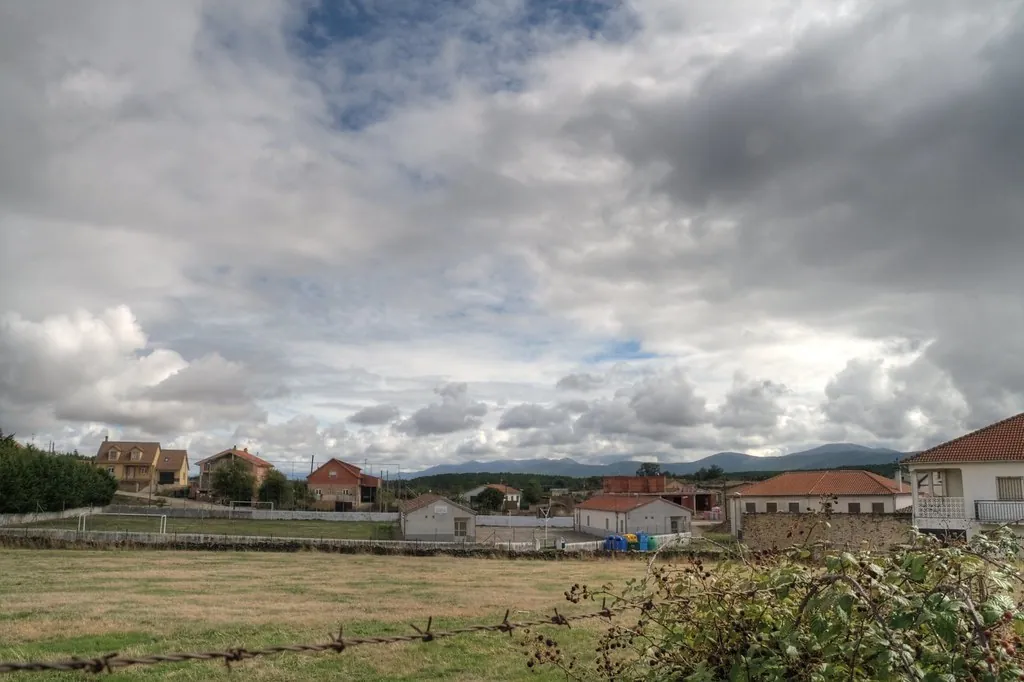
Llegar a Navasfrías es como cuando te pierdes por una carretera secundaria y, de repente, el GPS se queda en blanco. No hay señal de qué hacer ni a dónde ir. Solo estás tú, un puñado de casas de granito que parecen clavadas en la tierra desde hace siglos, y un silencio que casi se puede tocar. No es un pueblo que te reciba con pancartas; más bien te observa, con la paciencia de quien ha visto pasar mucho tiempo.
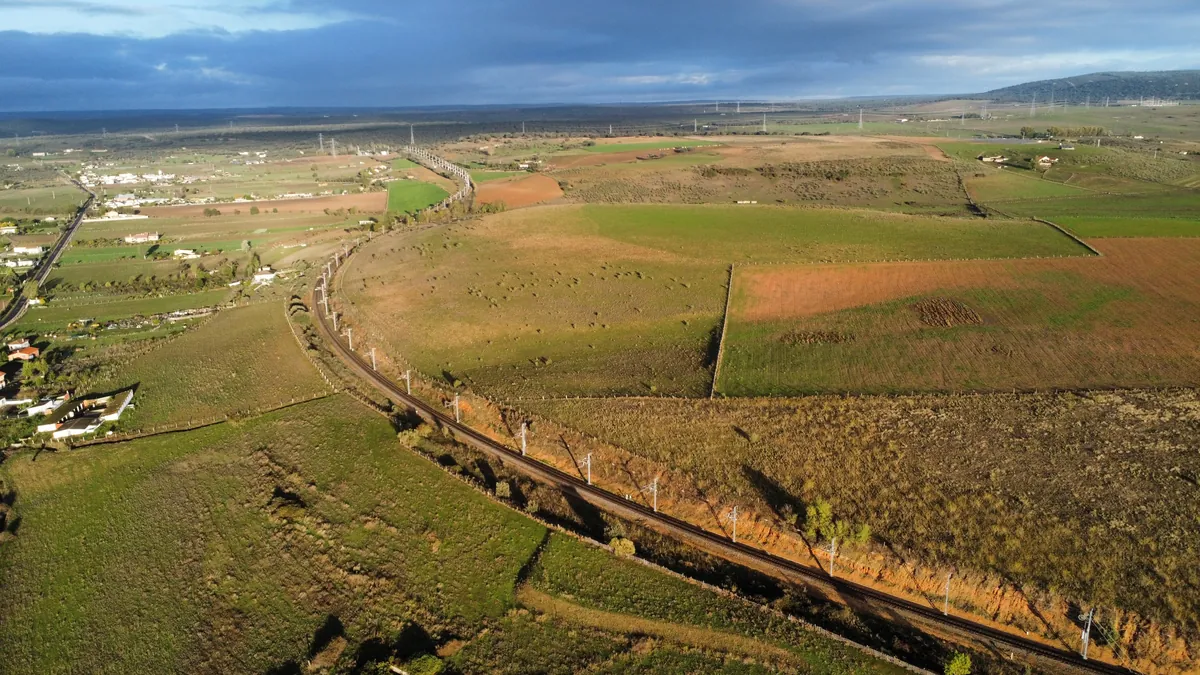
Se encuentra en el último rincón noroeste de Salamanca, ahí donde el mapa de España se arruga contra Portugal. Está a más de 900 metros, y se nota. En verano, el calor no aplasta como en otros sitios; corre una brisa fresca que parece bajar directamente de la sierra.
Un paseo sin guión
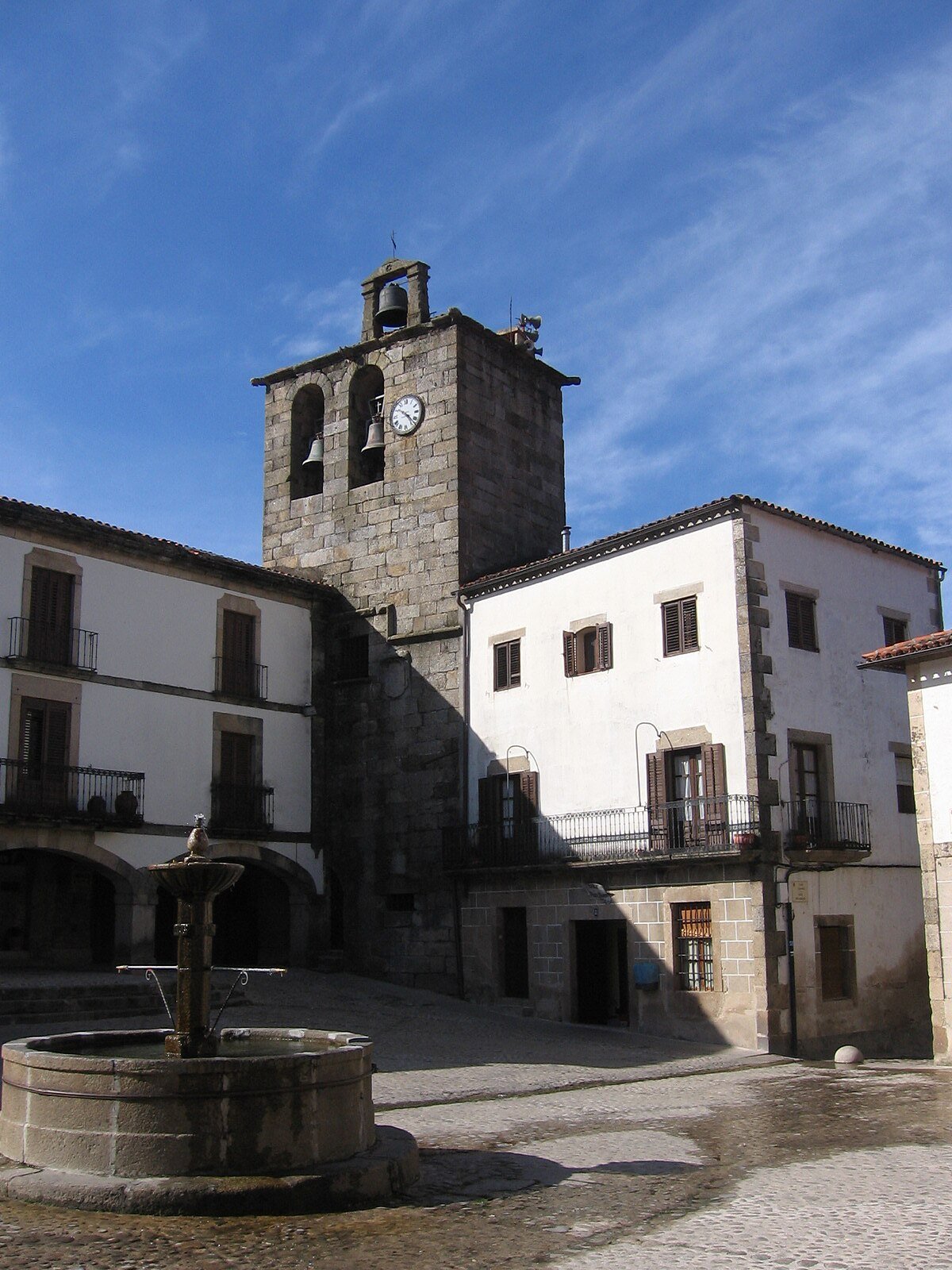
No vengas buscando catedrales ni museos con taquilla. Lo que hay aquí son calles estrechas, paredes gruesas hechas del granito local –de ese que aguanta inviernos y veranos sin inmutarse– y alguna puerta entornada por la que se cuela el olor a guiso. La iglesia parroquial es sencilla, sin pretensiones. Todo tiene una escala humana, como si el pueblo hubiera crecido para sus habitantes y punto.
La vida transcurre en pequeñas escenas: alguien arreglando una valla, otro sacando las sillas a la calle al atardecer. Si coincides con la fiesta de Santa Ana o con alguna feria ganadera en otoño, verás movimiento local, del de verdad. No es un espectáculo montado; es su calendario normal.
Donde mandan los robles (y tu propio ritmo)
La verdadera razón para venir está fuera del casco urbano. A pocos minutos andando empiezan las dehesas y los bosques de roble. Hay arroyos –a veces un hilo de agua, a veces más bravos después de llover– y senderos que no están marcados con precisión suiza. Son caminos hechos por el uso, no por un plan turístico.
Aquí no hay que seguir un itinerario. Se trata más de andar por andar. Te metes bajo la sombra de los robles en un día de calor y la temperatura baja de golpe, como cuando abres la nevera. Es ese tipo de alivio instantáneo y gratuito.
Puedes caminar durante horas sin cruzarte con nadie. El terreno sube y baja lo justo para notarlo en las piernas al día siguiente. Si llevas bici, las carreteras comarcales son tuyas: curvas largas, tráfico casi inexistente… es como pedalear un domingo por la mañana muy temprano, pero en medio de la nada.
La frontera invisible
Portugal está aquí al lado. Tan cerca que a veces da pereza llamarlo “ir al extranjero”. Cruzar es cuestión de minutos y se nota más en los carteles y en el acento que en el paisaje. Los pueblos vecinos del otro lado comparten la misma lógica: ganado, piedra, vida tranquila.
Es una frontera blanda. La sensación es menos “he cambiado de país” y más “he pasado al pueblo de al lado”.
Comer lo que hay
La cocina aquí va directa al grano: embutidos curados con tiempo (el buen chorizo y la morcilla tienen peso), quesos locales, setas cuando toca y carne de caza –jabalí o ciervo– porque estos montes están llenos. Son platos contundentes, del tipo que piden pausa y luego un paseo lento para asentarlos.
En otoño bueno, encontrarás castañas asadas. Es comida sin florituras, hecha con lo que da la tierra.
El punto
Navasfrías no te va a cambiar la vida ni te va a ofrecer diez atracciones para tachar de una lista. Es otra cosa: es ese sitio donde paras “un momento” a estirar las piernas y acabas quedándote más tiempo del previsto.
No hay prisa. No hay ruido. Solo el paisaje abierto, el granito frío al tacto incluso con sol y ese silencio profundo que al principio choca y después se agradece. Vienes sin grandes expectativas y te vas con la sensación rara de haber desconectado de verdad. Sabes a qué me refiero