Peñaparda - Flickr
Castilla y León · Cradle of Kingdoms

Peñaparda

The road climbs sharply from the Alagón valley, leaving behind the tobacco fields of the lowlands. At 860 metres, Penaparda appears without ceremon...

298 inhabitants · INE 2025
864m Altitude

Why Visit

Mountain Flax Museum Tambourine dance

Best Time to Visit

summer

Virgin of the Rosary (October) octubre

Things to See & Do
in Peñaparda

Heritage

  • Flax Museum
  • Church
  • Oak groves

Activities

  • Tambourine dance
  • Hiking
  • Nature

Festivals
& & Traditions

Fecha octubre

Virgen del Rosario (octubre)

Las fiestas locales son el momento perfecto para vivir la autenticidad de Peñaparda.

Full Article
about Peñaparda

Town known for its unique folklore (square frame drum) and its oak forests on the Extremaduran border.

Ocultar artículo Leer artículo completo

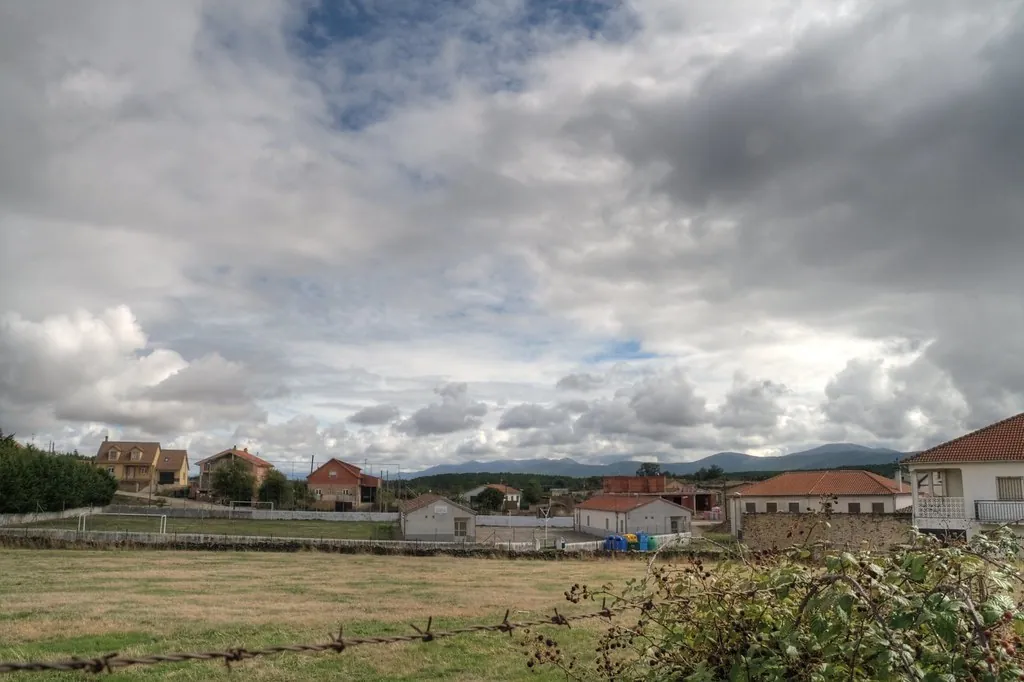
The road climbs sharply from the Alagón valley, leaving behind the tobacco fields of the lowlands. At 860 metres, Penaparda appears without ceremony – a scatter of granite houses clinging to a ridge, their slate roofs weathered to the colour of old pewter. This isn't one of those storybook villages that seems preserved in amber. It's something better: a working place where farmers still drive their tractors through narrow streets and the butcher knows exactly which pig your jamón came from.

The High Life

Altitude changes everything here. While Salamanca city swelters through summer at 30°C, Penaparda sits in its own microclimate. Mornings start cool, even in August, and by late afternoon the air carries a mountain sharpness that makes you reach for a jumper. Winters bite hard. When snow comes – and it does, regularly – the village can be cut off for days. The main road from Ciudad Rodrigo, 45 kilometres north, becomes treacherous. Locals stock up early, and visitors who've booked the handful of village houses learn to check weather forecasts with the dedication of a shipping forecast addict.

The granite underfoot isn't just building material; it's the village's foundation myth. Every house, every wall, every winding alleyway is built from the same pale stone quarried locally. It gives Penaparda a cohesion that brick-and-mortar places lack. When the sun hits the buildings at certain angles, they glow with a soft, pinkish light that makes photographers reach for their cameras, then put them away again when they realise no lens can quite capture the subtlety.

What Passes for Sights

There's no cathedral, no castle, no carefully curated museum. The 16th-century church tower is the tallest thing for miles, visible from the approach road like a stone finger pointing skywards. Inside, it's dark and cool, the granite walls thick enough to swallow sound. The altarpiece survived the Civil War by the simple expedient of being too heavy to move quickly – a fact the elderly sacristan will tell you with considerable satisfaction.

The real architecture is domestic. Granite houses with wooden balconies, their stone staircases worn concave by centuries of feet. Doorways carved with dates and initials, some dating back to the 1700s. A coat of arms here, a mason's mark there. It's architecture that rewards the slow walker, the person who stops to read the worn inscriptions and wonder about the hands that carved them.

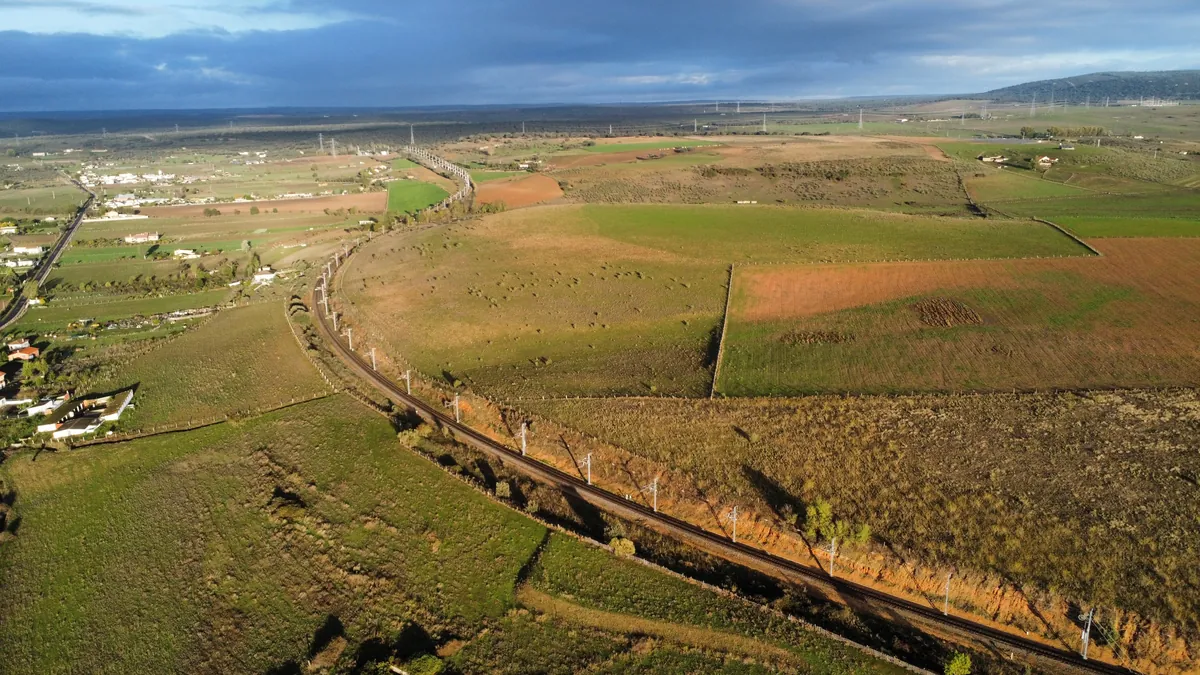
Walk to the village edge and the land falls away in folds of dehesa – the ancient mixed farming system that combines cork oaks, holm oaks and pasture. It's landscape that's been worked for over a thousand years, producing some of Spain's finest jamón. The pigs you'll see snuffling under the trees in autumn aren't pets. They're the village's pension fund, fattening on acorns before their final journey to the matanza – the traditional winter slaughter that still provides families with their year's supply of chorizo, salchichón and morcilla.

Walking the Line

The walking here isn't for the guidebook-ticking hiker. Paths exist, certainly, but they're working routes rather than leisure trails. One leads down to the Águeda river, following an ancient drove road where merchants once walked their mules south to Extremadura. Another climbs to a granite outcrop called Los Llanos, where the view opens up across three provinces on a clear day. None are signposted. The village bar owner might draw you a map on a beer mat if you buy enough cañas, but he'll also warn you about the farmer who gets tetchy if you open the wrong gate.

Spring brings the best walking weather – warm days, cool nights, and the granite warmed by sun that doesn't yet have summer's intensity. The streams run properly then, creating small waterfalls in the gullies. Autumn's good too, particularly for mushroom hunters who know their níscalos from their death caps. Summer walking starts early; by 11am the heat's building and sensible people are back in the bar discussing the day's plans over coffee strong enough to etch steel.

Eating Real

Forget tasting menus and fusion concepts. Penaparda eats like it always has, based on what the land produces and what can be preserved. The village shop stocks local cheese – a semi-curd made from sheep's milk that's nothing like the industrially-produced stuff in city supermarkets. Bread comes up from the valley bakeries three times a week; order ahead or go without.

The bar does simple food well. Tortilla that's mostly potato, judiones beans stewed with local chorizo, pork chops thick enough to need a proper knife. Wine comes from nearby Arribes del Duero, rough reds that taste of granite and sun. Prices are refreshingly honest – a three-course lunch menu runs to about €12, including wine and the sense that you're eating something that actually existed yesterday rather than arriving frozen in a catering pack.

If you're staying in one of the village houses (and you should – there's no hotel, just three stone cottages renovated by families who've moved to the cities but can't quite let go), shop at the Thursday market in Ciudad Rodrigo. Fill up on vegetables that taste like vegetables, proper eggs with yolks the colour of a Van Gogh sunflower, and meat from butchers who can tell you the animal's name.

The Seasonal Reality

August transforms Penaparda. The population swells from 250 to over a thousand as families return for the fiestas. Suddenly there are children in the streets, proper crowds at mass, and dancing in the square until dawn. The village's two bars do their year's trade in a week. It's Penaparda at its most sociable, but also at its least authentic – a summer version that locals recognise but don't quite live in.

January's the opposite. Cold settles in the granite like a curse. The fiesta de San Antón brings bonfires and the blessing of animals, but it's a brief spark in the year's darkest month. This is when you see the village as it really is – a tough place that demands resilience and community spirit just to keep going.

Spring and autumn offer the best balance. Days warm enough to sit outside, nights cool enough for proper sleep. The village ticks over at its natural pace – neither deserted nor overwhelmed. It's when Penaparda makes most sense, when you can walk the streets and understand why, despite everything, some people still choose to live at 860 metres on a granite ridge, farming pigs and oaks, keeping alive a way of life that most of Spain abandoned decades ago.

Getting here requires commitment. No trains, limited buses, a road that demands attention. But that's rather the point. Penaparda isn't on the way to anywhere else. It's a destination you choose deliberately, or not at all.

Key Facts

Region
Castilla y León
District
Ciudad Rodrigo
INE Code
37245
Coast
No
Mountain
Yes
Season
summer

Livability & Services

Key data for living or remote work

2024
Connectivity5G available
HealthcareHospital 11 km away
EducationElementary school
Housing~5€/m² rent · Affordable
CoastBeach nearby
January Climate4°C avg
Sources: INE, CNMC, Ministry of Health, AEMET

Official Data

Institutional records and open data (when available).

  • CASTILLO DE "EL PAYO"
    bic Castillos ~6.1 km

Planning Your Visit?

Discover more villages in the Ciudad Rodrigo.

View full region →

More villages in Ciudad Rodrigo

Traveler Reviews