Full Article
about Puebla de Azaba
Municipality in the Azaba region with oak forests and timber activity.
Hide article Read full article
Puebla de Azaba: Campo y Frontera
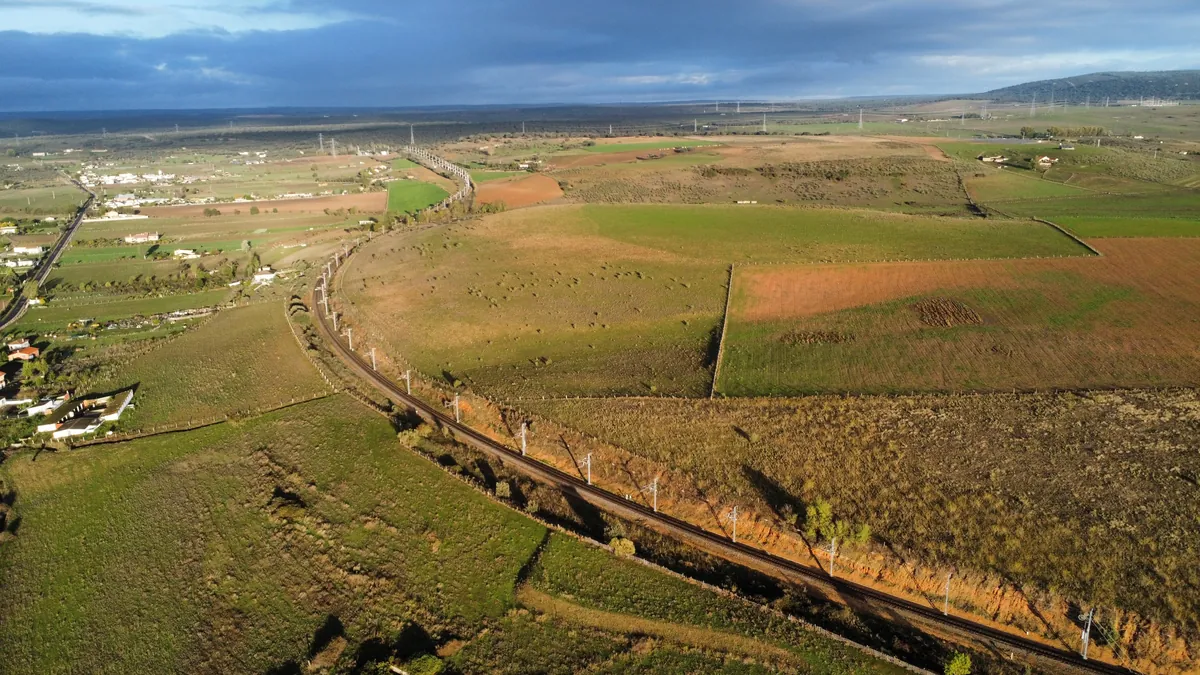
Para entender Puebla de Azaba hay que mirar hacia Ciudad Rodrigo. El pueblo pertenece a su alfoz, esa red de aldeas y tierras que durante siglos dependieron de la ciudad amurallada. Se sitúa en el Campo de Azaba, una comarca de dehesa y granito en el extremo suroeste de Salamanca, junto a Portugal. Viven alrededor de 145 personas. No es un destino, sino un lugar de trabajo, una pieza más en un paisaje extenso y antiguo.
La organización actual del territorio responde a la repoblación medieval del Reino de León. Tras la reconquista de esta franja fronteriza, se fundaron núcleos como este para trabajar la tierra y consolidar el control del territorio desde la plaza fuerte de Ciudad Rodrigo. La vida, desde entonces, ha girado en torno a la dehesa. Este no es un bosque, sino un sistema agroforestal creado por el hombre: encinas dispersas sobre pasto, dedicado principalmente al ganado vacuno y porcino. Esa economía sigue marcando el ritmo.
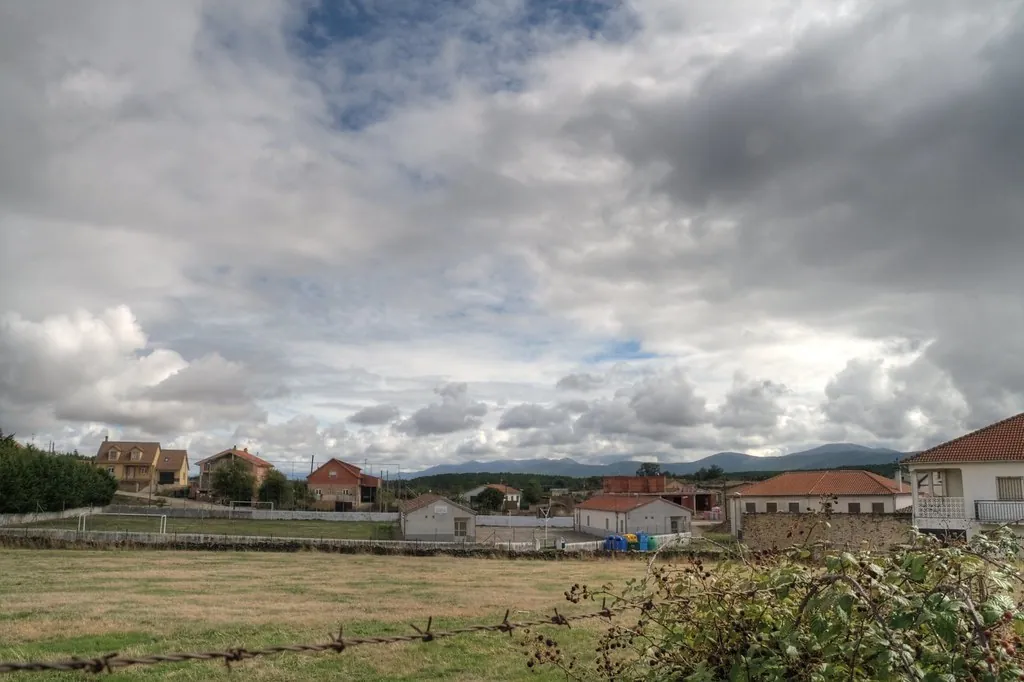
Las casas de mampostería de granito, los corrales adosados y los muros de piedra seca hablan de esa relación directa con el campo. Puebla de Azaba no ha crecido; su población es estable y muchas familias mantienen vínculos con las explotaciones ganaderas del entorno.
La arquitectura del granito
El edificio más visible es la iglesia parroquial. Su traza es sencilla, propia del templo rural que se construyó en esta parte de Salamanca entre la Edad Moderna y el siglo XVIII. Muros gruesos, una sola nave y una espadaña sobre la fachada. Su valor no está en la ornamentación, sino en su función histórica como punto de encuentro para una comunidad dispersa en fincas y cortijos.
Un paseo por el casco muestra la arquitectura tradicional del Campo de Azaba. Las viviendas son bajas, de granito local. Muchas tienen portones anchos para el paso de carros, con las dependencias agropecuarias unidas a la vivienda. Dentro del propio pueblo aún se ven antiguos corrales y pequeñas tenadas, testigos de cuando la vida doméstica y el trabajo no se separaban.
En las calles y salidas del pueblo hay fuentes y abrevaderos de piedra. Formaban parte de la infraestructura básica cuando el agua dependía de manantiales y pozos. Algunos muestran desgaste o reparaciones posteriores, pero ayudan a entender la organización de la vida diaria antes de las redes modernas.
El elemento que realmente define el lugar está fuera. La dehesa se extiende en todas direcciones. Encinas separadas entre sí sobre pastizal, cerradas con muros de piedra o alambradas. Es un paisaje que pertenece al suroeste salmantino y sigue siendo central para comprender el pueblo.
A unos 25 kilómetros está Ciudad Rodrigo. Su fundación en el siglo XII como plaza fuerte del reino leonés explica la importancia estratégica de este territorio durante siglos. Sus murallas y catedral completan el contexto del que Puebla de Azaba siempre ha formado parte.
Andar por la dehesa
La actividad principal sigue siendo agropecuaria. La forma más coherente de acercarse al territorio es caminar por los caminos rurales que salen del pueblo y atraviesan la dehesa. Son vías tradicionales usadas por ganaderos; es fundamental cerrar las portillas después de pasar y no salirse de las trazas definidas.
Los espacios abiertos del occidente salmantino atraen a quienes buscan observar aves. La combinación de pastizal extensivo y ganado favorece la presencia de rapaces y carroñeras que sobrevuelan la zona. La observación requiere paciencia y asumir que este es un paisaje productivo, no un espacio natural diseñado para el visitante.
La gastronomía local está atada al mismo entorno. Carne de vacuno, productos del cerdo ibérico y guisos de tradición rural son propios de la provincia. En el pueblo mismo los servicios son muy limitados, algo habitual en núcleos de este tamaño. Quien busque una oferta más amplia suele dirigirse a localidades cercanas o a Ciudad Rodrigo.
Un ritmo que perdura
Puebla de Azaba no tiene una lista de monumentos que ver. Su interés reside en observar cómo una parte de la comarca sigue funcionando con una lógica similar a la de hace décadas. La dehesa aquí es un modo de vida, no un decorado.
Esa continuidad se lee en el paisaje construido, en la persistencia de la ganadería y en la escala reducida del asentamiento. El pueblo permanece atado a la órbita histórica de Ciudad Rodrigo y al territorio fronterizo con Portugal. Su historia no se separa de ese contexto más amplio, modelado en la Edad Media.
Lo que se encuentra aquí es una visión de la Salamanca rural que ha cambiado poco en el último siglo. El paso lento, la arquitectura de granito y la dehesa circundante forman un conjunto coherente. Para quien visita, se trata menos de buscar atracciones y más de entender un paisaje que se cultiva, se pasta y se habita desde generaciones.