Full Article
about Retortillo
Town known for its thermal spa and holm-oak setting
Ocultar artículo Leer artículo completo
The thermal water hits 52°C before anyone touches it. That temperature—higher than the average British bath—bubbles up from 600 m below the slate outside a village that most Spaniards couldn't place on a map. Retortillo sits 744 m above sea level in southern Salamanca, 25 km south-west of Ciudad Rodrigo, and the only reason outsiders now find it is the Balneario de Retortillo, a low-slung spa hotel that opened in 2016 and books up with Madrid office workers every long weekend.
The Village That Nearly Missed the Century
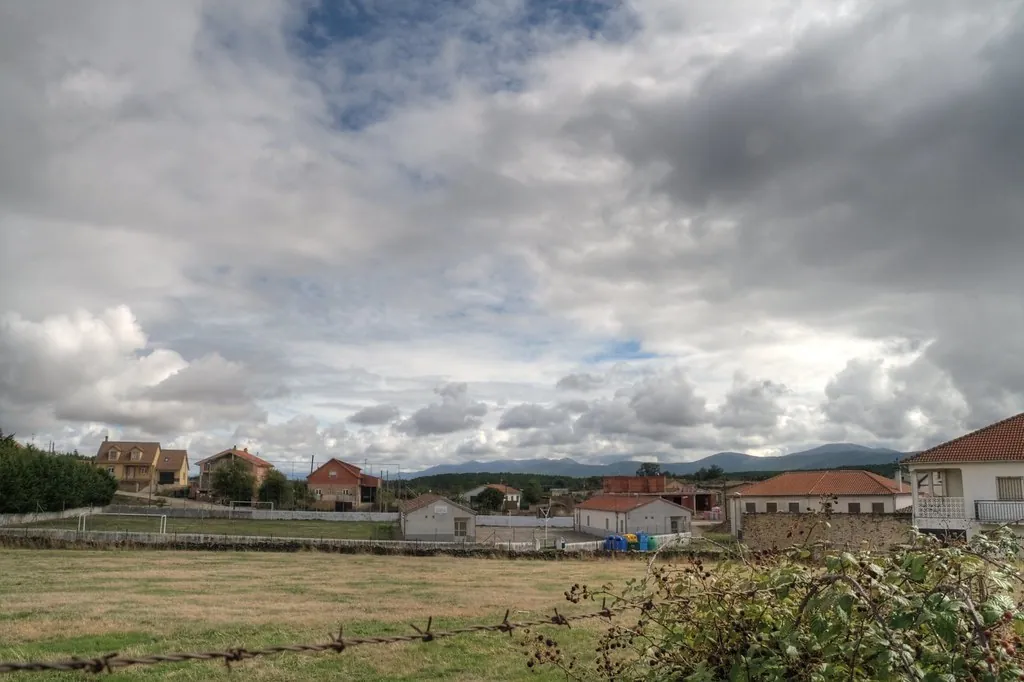
Drive in from the A-50 and the first thing you notice is what's missing: petrol stations, zebra crossings, souvenir ashtrays. The population is officially 175, down from 500 in the 1950s, and the streets still follow the medieval livestock routes that funnelled merino sheep north to León. Granite cottages line a single main lane; their wooden balconies sag like old books on a shelf. There is no cashpoint, no supermarket, and—until the spa arrived—no accommodation at all. Locals over seventy will tell you, without rancour, that the cinema closed before colour film reached the province.
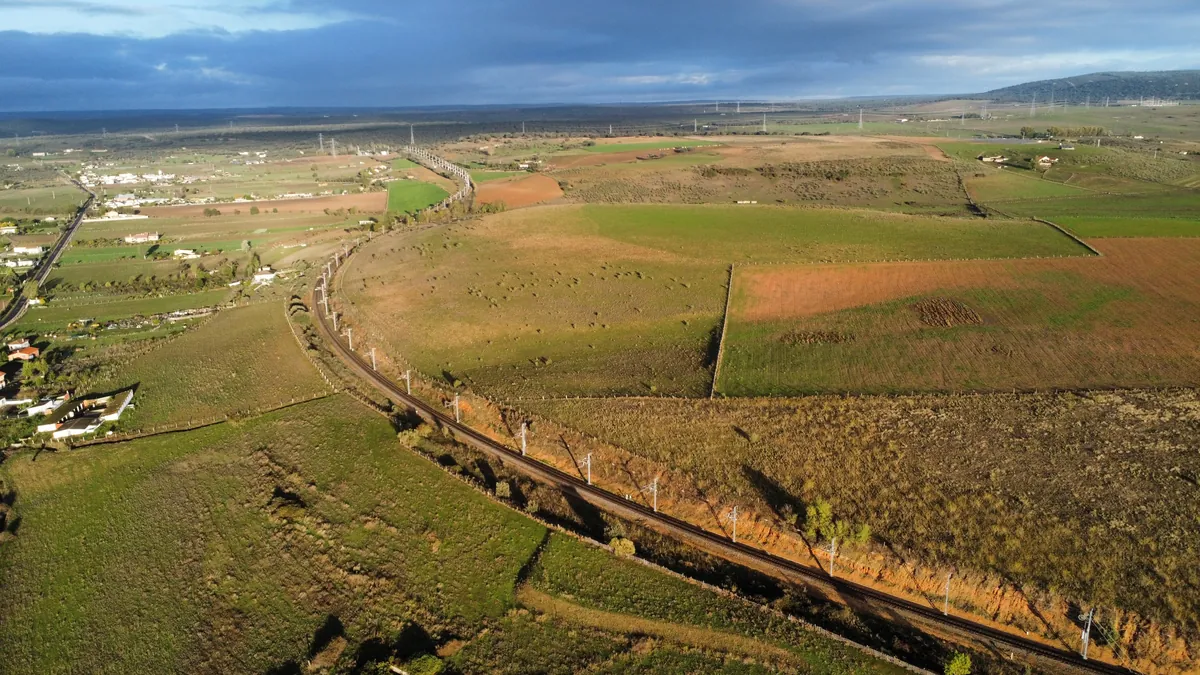
Yet the setting has pull. The village spills across a ridge above the Águeda river, a tributary that eventually crosses into Portugal. South-east the land folds into the Sierra de Gata; north-west it billows out into the cereal plateau of Castilla. From the mirador by the church you can watch weather systems arrive fifteen minutes before they hit, a trick that makes even drizzle feel cinematic.
Water, Water Everywhere—But Only Here is Hot
The Romans left coins and a few roof tiles, but it took a 2013 drilling survey to rediscover the thermal spring that now finances the place. The Balneario pipes the mineral-rich water into an indoor-outdoor circuit that stays open year-round. British guests tend to arrive with two questions: "Is it like Bath?" and "Will I melt?" The answers are no and possibly. The outdoor pool sits at a civilised 36°C, ringed by broom and grey boulders that glow amber at sunset. Inside, the jets hit 42°C and smell faintly of eggs—hydrogen sulphide, harmless but memorable.
Day passes cost €28 Monday–Thursday, €35 weekends; book the evening slot (19.00–21.00) if you want empty lanes and uninterrupted stars. Towels are included, flip-flops aren't—pack the ones you last wore in a Center Parcs changing room and you'll fit right in.
Walking It Off
Retortillo is not a hiking capital; it is a place to stretch your legs while digesting farinato sausage. Two way-marked loops leave from the spa gate. The shorter (3 km, yellow markers) drops to the Águeda, passes an abandoned watermill and climbs back through holm-oak dehesa where black Iberian pigs snuffle for acorns. The longer (7 km, white-green) crosses the river on a 19th-century stone bridge and loops through the hamlet of El Payo, population nine, where a retired British couple once tried to open a tea room and gave up when they realised the electricity supply couldn't boil two kettles at once.
Stout shoes are advisable after rain—the local granite flakes into razor-thin shards that slice supermarket trainers. Take water between May and October; there is no bar en route and midday shade is theoretical.
What Passes for a Restaurant Scene
The hotel restaurant is the only game in town, a fact that usually triggers a sharp intake of breath from anyone who spent a week in a Costa all-inclusive pretending the buffet was "authentic". Here, oddly, it almost is. Breakfast brings fresh orange juice, local chorizo milder than anything in Tesco, and hot milk served in metal jugs that would make a Brighton barista weep. Lunch is a €16 menú del día: think grilled trout with garlic, roast chicken that tastes like the bird once had hobbies, and almond tart strong enough to fuel the drive back to the airport. Vegetarians get the Spanish treatment—an omelette the size of a steering wheel—so adjust expectations or phone ahead.
If you want to self-cater, stock up in Ciudad Rodrigo before you arrive. Market day is Sunday; the cured ham stall on Plaza Mayor will vacuum-pack a kilo of ibérico for the flight home, provided you promise not to eat it on the coach.
When to Bother—and When Not To
Come in late March and the surrounding dehesa is lime-green with new oak leaf; combine with the Easter processions in Ciudad Rodrigo for maximum Holy Week atmosphere minus the Seville crowds. May and early June stay cool enough for midday walks; by July the plateau turns into a griddle, temperatures nudge 38°C and the spa water starts to feel like a necessity rather than a treat. September gives golden stubble fields and grape harvest in the nearby Arribes del Duero, while October brings mushroom permits—locals will point you towards the town hall in Saelices if you want to forage legally.
Winter is quiet, occasionally snowy, and when the wind drags across from the Gata peaks the thermal pool becomes the warmest place between Madrid and the Atlantic. Access is rarely blocked, but the secondary road from the A-50 (the EX-391) can ice over; carry chains if you hire a small car without winter tyres.
Getting There Without a Drama
Fly to Madrid, pick up a hire car, head west on the A-50 for 230 km—two hours if you resist the service-station jamón counters. Ryanair's Valladolini route (March–October from Stansted and Bristol) shaves 40 min off the drive but adds the risk of a 6 a.m. departure after a Spanish wedding. Public transport is fiction: one daily bus links Ciudad Rodrigo with Salamanca; anything closer requires divine intervention or a very expensive taxi.
Sat-nav users, type "Balneario de Retortillo, Salamanca" or you risk being sent to Retortillo de Soria, 200 km in the wrong direction and sorely lacking hot water. Mobile signal drops out in the final valley—download offline maps before you leave the motorway.
The Bottom Line
Retortillo will never compete with Segovia's aqueduct or San Sebastián's pintxo crawl. What it offers instead is a reset button: three days of warm water, star-heavy skies and the realisation that silence can thump louder than the Northern Line at rush hour. Bring a car, a paperback and modest expectations; leave with softer muscles, a faint whiff of sulphur and the certainty that somewhere between the thermal pool and the pig-dotted dehesa you mislaid your stress.