Full Article
about Sancti-Spíritus
Large town on the highway to Portugal; farming tradition and stop on the Camino de Santiago
Ocultar artículo Leer artículo completo
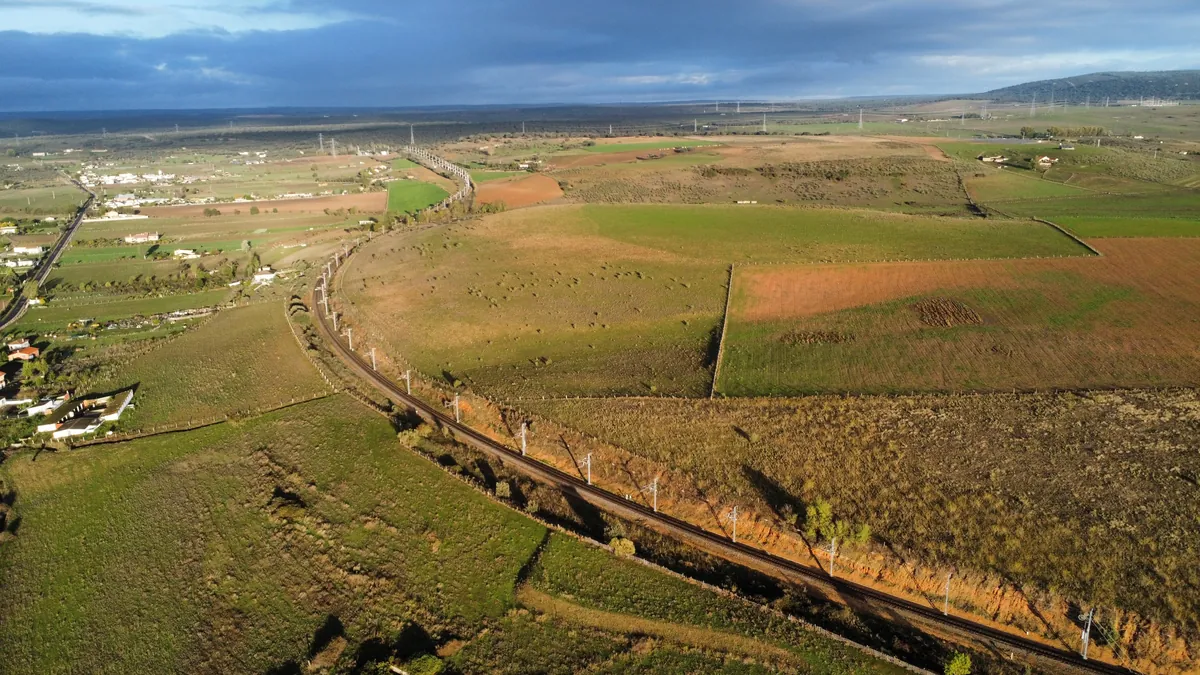
The morning fog rolls in at 750 metres, thick enough to swallow the church bell's first chime. By eleven, it's burned off to reveal a landscape that hasn't changed much since medieval shepherds drove their flocks through these same dehesas. Sancti Spiritus sits suspended between the Sierra de Francia and the Portuguese border, a village where the altitude makes winter mornings sharp enough to see your breath, yet summer evenings remain mercifully cool.
The Weight of Height
At 750 metres above sea level, Sancti Spiritus experiences weather that surprises visitors expecting Castilla y León's notorious extremes. Winter brings proper frost—sometimes snow—and the occasional week when the village feels cut off from the world. The road from Ciudad Rodrigo, 15 kilometres away, becomes treacherous after dark. Summer, though, delivers relief from the province's furnace-like heat; temperatures rarely top 30°C, and nights drop to a comfortable 18°C. Spring arrives late here, often mid-April, but when it does, the surrounding dehesas explode into an almost violent green that lasts barely six weeks before turning to summer gold.
The altitude shapes everything. Local wine tastes sharper, the air carries less pollution, and mobile phone signals waver. Hikers setting out from the village centre find themselves climbing almost immediately—the Senda de las Encinas Centenarias gains 200 metres in its first kilometre, following ancient livestock routes between 400-year-old holm oaks. These trees, their trunks twisted into impossible shapes, provide the only shade across miles of open pasture. Bring water. Lots of it.
What Passes for Civilisation
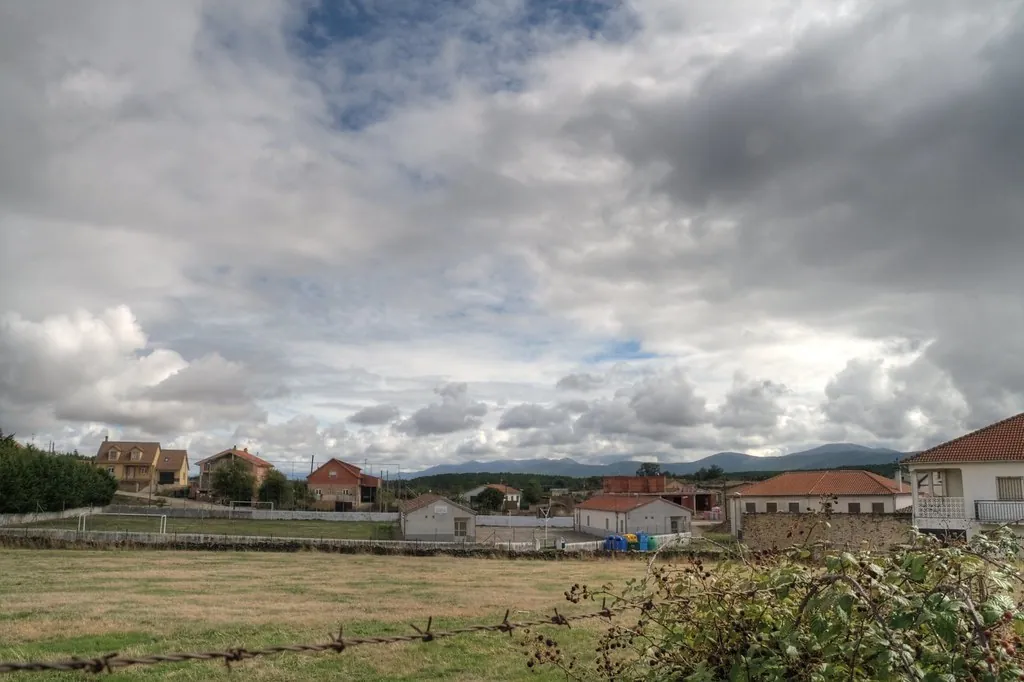
The church of Nuestra Señora de la Asunción squats at the village's highest point, built from the same granite that local farmers once dragged from their fields. It's neither beautiful nor grand—architecture students won't make special journeys—but its 16th-century bell tower serves as a landmark visible from every approach. Inside, the altarpiece shows the Virgin surrounded by sheep rather than angels, a nod to the parish's agricultural reality.
Sancti Spiritus contains perhaps twenty streets, none longer than 300 metres. The main road, Calle Real, features a bar that opens at 7 am for farmers and closes when the last customer leaves—usually before midnight. They serve coffee for €1.20 and a breakfast of chorizo on bread for €2.50. The village shop doubles as the post office and sells everything from tractor parts to birthday cards. Don't expect fresh milk; locals use UHT because deliveries arrive only twice weekly.
New houses appear on the outskirts, built by returnees from Switzerland and France who've invested retirement savings in second homes. These modern constructions sit awkwardly beside traditional stone dwellings with their tiny windows and massive wooden doors designed to keep out both winter cold and summer heat. Property prices remain reasonable—a three-bedroom village house needing renovation sells for around €45,000, while restored properties fetch €80,000-€120,000 depending on garden size and views.
The Dehesa Economy
The real wealth lies beyond the village in those rolling pastures. Sancti Spiritus anchors one of Spain's last functioning dehesa ecosystems, where black Iberian pigs roam free for most of the year, fattening on acorns that fall from holm and cork oaks. Each autumn, the montanera season transforms the landscape into a porcine paradise—sows with litters of ten piglets root beneath trees while farmers on horseback check their charges. The resulting jamón ibérico commands €90-€150 per kilo in Madrid delicatessens, though here you can buy directly from producers at half that price.
Cattle matter too. Local farmers raise Retinta breed cows, russet-coloured animals adapted to harsh conditions. They produce little milk but excellent beef, sold at the monthly livestock market in Ciudad Rodrigo. The market happens on the third Saturday—arrive early, before 8 am, to see serious trading. By ten, farmers have moved to Bar Central for coffee and brandy.
Cheese production remains small-scale. María Jesús, whose family farm sits two kilometres from the village, makes 40 wheels monthly from her 30-goat herd. Her queso de cabra, aged three months in natural caves, sells out within days. Phone ahead—she doesn't do email and prefers visitors who speak at least basic Spanish.
When the Weather Wins
Winter visits require preparation. Between December and February, temperatures drop to -5°C at night, and heating in village houses often means wood-burning stoves. The single hotel closes from January through March—owners claim it's not worth heating for the handful of visitors brave enough to come. Spring brings mud; those hiking boots will carry evidence of Sancti Spiritus for weeks.
Summer delivers the village at its best and worst. Mornings start cool and clear, perfect for walking before the sun climbs high enough to burn off the last traces of mountain air. By two o'clock, the streets empty as locals follow the sensible Spanish pattern of lunch followed by siesta. August sees temperatures peak, but rarely unbearably so—this isn't Andalucía. The village fiesta, 15 August, brings temporary population swelling to perhaps 2,000 as former residents return for three days of music, dancing, and consumption of alarming quantities of local wine.
Autumn provides the sweet spot. September maintains summer warmth without July's intensity; October paints the dehesas in copper and bronze; November brings the pig herds down from higher pastures, creating traffic jams on country lanes that would amuse British drivers accustomed to motorway congestion. This is when photographers should visit—morning mist rising from valleys, ancient oaks silhouetted against clear blue skies, and the golden light that makes even the most jaded traveller reach for their camera.
Getting Here, Getting Fed, Getting Gone
No trains serve Sancti Spiritus. The nearest railway station sits in Ciudad Rodrigo, itself a relative backwater served by regional trains from Salamanca. Driving remains essential—hire a car at Madrid airport and expect three hours on largely empty motorways followed by forty minutes on the A-62 and local roads. The final approach involves a 12-kilometre stretch that twists through dehesa landscape so unchanged that GPS systems sometimes claim you're driving through fields.
Accommodation options remain limited. The village hotel offers eight rooms at €45-€65 nightly, breakfast included but served only until 9:30 am sharp. Two village houses operate as legal tourist accommodation through Airbnb—expect to pay €60-€80 for two people, with kitchens that actually work and terraces overlooking pastureland. Book well ahead for Easter week and August; otherwise, you'll likely find availability.
Dining requires flexibility. The village bar serves basic tapas—tortilla, chorizo, local cheese—until they run out, usually by mid-afternoon. For proper meals, drive to Ciudad Rodrigo where Mesón El Cordero does excellent lechazo (roast suckling lamb) at €22 per portion. Closer options include Venta de la Posa, ten minutes towards the Portuguese border, where the menu del día costs €12 and features whatever the owner's wife felt like cooking that morning.
Sancti Spiritus won't change your life. It offers no Instagram moments, no bucket-list tick boxes, no souvenir shops selling fridge magnets. What it provides instead is harder to quantify—the sound of absolute silence broken only by cowbells, the smell of wood smoke on cold mornings, the realisation that places still exist where community means something more concrete than a WhatsApp group. Come for the walking, stay for the cheese, leave before the winter closes in.