Full Article
about Serradilla del Arroyo
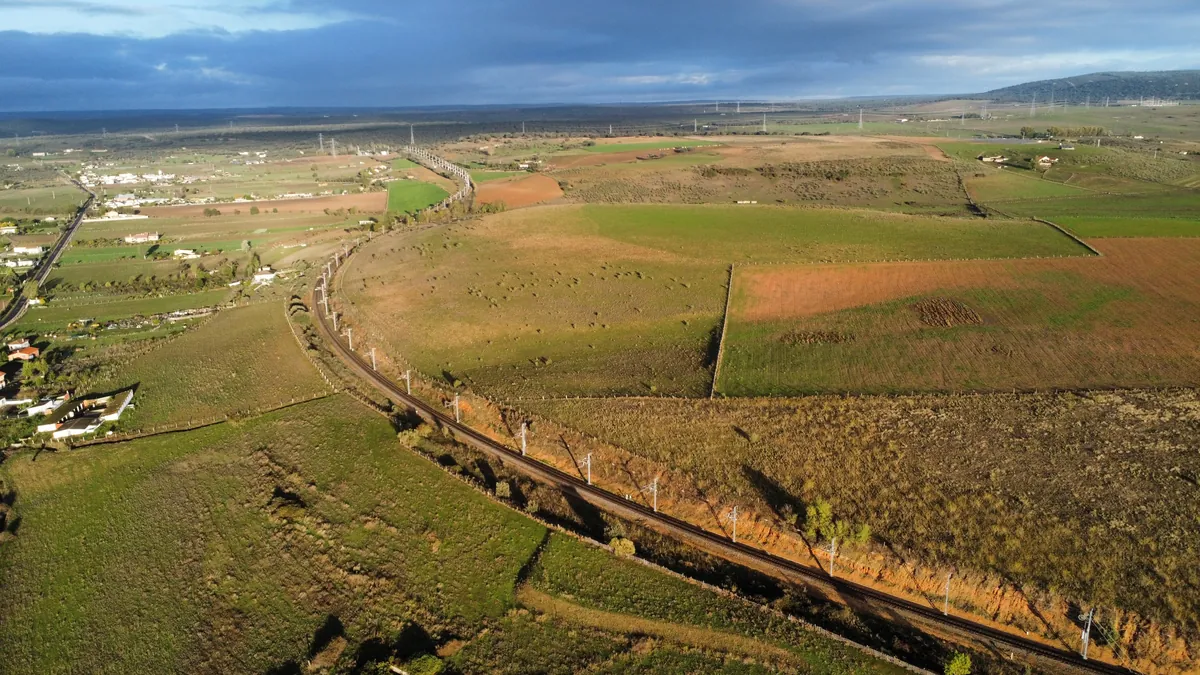
Municipality between the sierra and the Campo Charro; a landscape of dehesa and low scrub, ideal for hunting.
Hide article Read full article
Arriving in Serradilla del Arroyo as the day begins to break, the outlines of the houses are still hard to make out. The stone appears a flat grey before the sun warms it, and for a few minutes the only sound is the wind brushing through the holm oaks and the occasional blackbird starting early. Water runs somewhere nearby, not always visible but clearly audible, and the smell of damp earth lingers in the air, especially after a cold night.
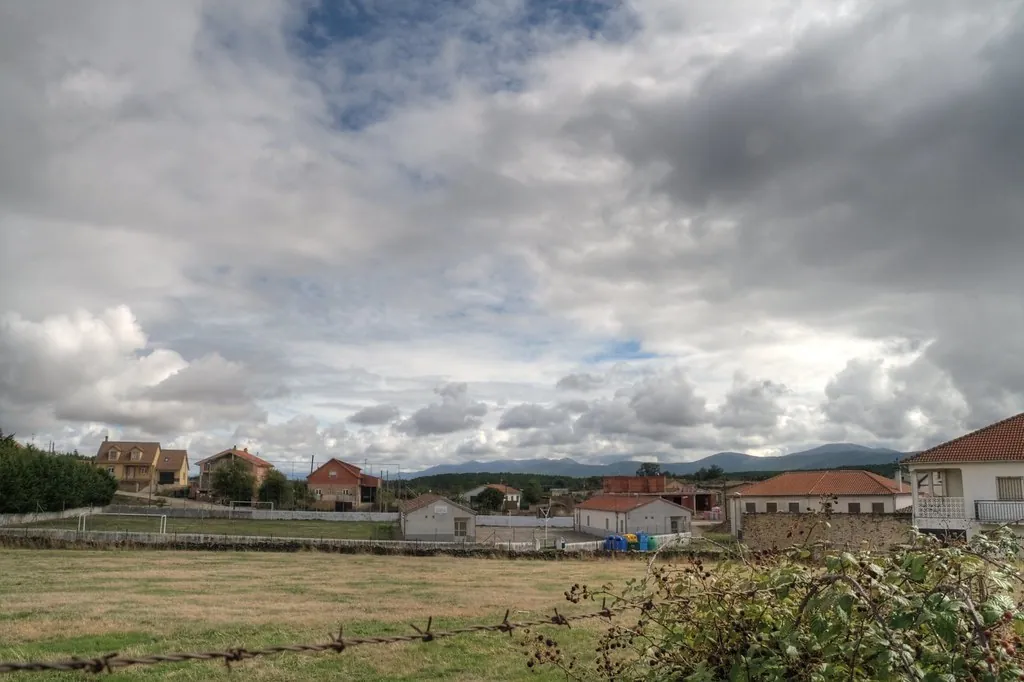
This small municipality in the south-west of Salamanca, in the comarca of Ciudad Rodrigo, keeps a steady, unhurried pace even in summer. It is not a place for rushing through. Stone-built houses, many with thick wooden gates and simple balconies, gather without much planning along short streets. In autumn it is still common to see strings of peppers drying on a façade or sacks of firewood stacked by doorways.
Stone, Silence and Narrow Streets
The church of San Lorenzo appears almost without warning between the houses. It is built from the same granite found across much of the village, a rough stone that shifts in colour depending on the time of day. In the morning it looks pale; by evening it takes on a warmer tone, almost golden when the sky is clear.
Inside, the space is plain. Light filters through small windows and the silence is often complete. The door is frequently closed outside times of worship, something typical in many villages in this part of Spain.
The surrounding streets are narrow, and in places the paving still keeps its old unevenness. Walking slowly reveals details that are easy to miss from a car: iron grilles with simple patterns, animal tracks pressed into the mud after rain, plant pots resting directly on the ground. The layout feels organic rather than planned, shaped over time rather than designed.
Dehesa Landscapes and Old Paths
The landscape around Serradilla del Arroyo is made up of open dehesa and low scrubland. The dehesa is a traditional Spanish countryside of scattered trees and grazing land, where holm oaks and occasional oaks stand apart from each other, leaving space for pasture. Large granite rocks sit among the grass as if they had been dropped there long ago.
The streams that give the village its name cross meadows that, in spring, fill with low-growing flowers. By summer the colour changes completely: the grass turns yellow and the ground becomes dry underfoot. Even so, water often continues to flow in the more shaded stretches.
Old paths link Serradilla del Arroyo with nearby villages. These routes were traditionally used for livestock or for moving between plots of land. Not all of them are signposted, and it is easy to take a wrong turn at a junction of tracks. Anyone planning to walk here is better off carrying a simple map or asking a local before setting out.
Early morning and late afternoon bring the most movement in the sky. Storks search for thermal currents, kites circle over the fields, and smaller birds remain half-hidden among the holm oaks. The sense of space is constant, with sound travelling further than expected across the open ground.
A Village Tied to the Land
Livestock farming remains a visible part of daily life in the surrounding area. Flocks of sheep and cattle grazing beneath the trees are a common sight. In places where the ground holds a little more moisture, there are also small family vegetable plots.
Food here reflects what the land provides and the traditions of the comarca of Ciudad Rodrigo. Winter is the time for matanzas, the traditional home slaughter that supplies much of the year’s preserved meat. Cured sausages are prepared slowly, and when the cold sets in, meals tend towards hearty, spoon-based dishes. These are recipes that continue in households rather than appearing on menus designed for visitors.
In autumn, if the season has been wet, mushrooms begin to appear in grassy clearings and along the edges of the scrub. Their presence depends entirely on the year’s rainfall, adding a note of unpredictability to the landscape.
Close to Ciudad Rodrigo
Not far away lies Ciudad Rodrigo, a walled city that shifts the tone of any visit to the area. There is more movement there, wider streets within the historic enclosure, and stone buildings that reflect its past as a frontier town.
Many travellers combine the two places. The calm of smaller villages during the day can be followed by a short trip to the city, perhaps to walk along its walls or spend some time in the main square. The contrast is noticeable but not abrupt, offering two different ways of experiencing the same region.
Seasons and Practical Notes
Spring and autumn are usually the most comfortable times for walking in the surrounding countryside. In summer, the heat can become intense from midday onwards, making early starts advisable. Winter brings a dry cold, and mornings can begin with frost covering the ground.
August often brings a change in atmosphere. Like many villages in this part of Spain, Serradilla del Arroyo celebrates its local festivities during this month, and people who live elsewhere return. For a few days, the streets fill with long conversations in the evening and gatherings that stretch late into the night in the village squares. Afterwards, the usual quiet rhythm settles back in.
Serradilla del Arroyo does not try to draw attention to itself. Its character comes through in small, consistent details: the sound of water just out of sight, the changing colour of granite, the steady presence of the countryside.