Full Article
about Villar de Ciervo
Border village with a historic bridge and riverside setting; well-preserved traditional architecture
Ocultar artículo Leer artículo completo
The church bell strikes seven and every dog in Villar de Ciervo joins in. Not the frantic yapping of city terraces—this is slower, more conversational, as if the village is agreeing that yes, another day has indeed passed. From the single bench on Plaza de España you can watch the whole agreement unfold: lights flick on behind thick stone walls, a grandmother reels in her washing, and the evening breeze carries the smell of oak smoke and something garlicky simmering next door.
Nobody advertises this moment. The council website mentions “rural tranquility” (it would), but it omits the precise decibel level of contented dogs or the way the granite glows amber just before the sun drops behind the dehesa. These are the kinds of details you notice when there is absolutely nothing else demanding attention.
A village that fits between two blinks
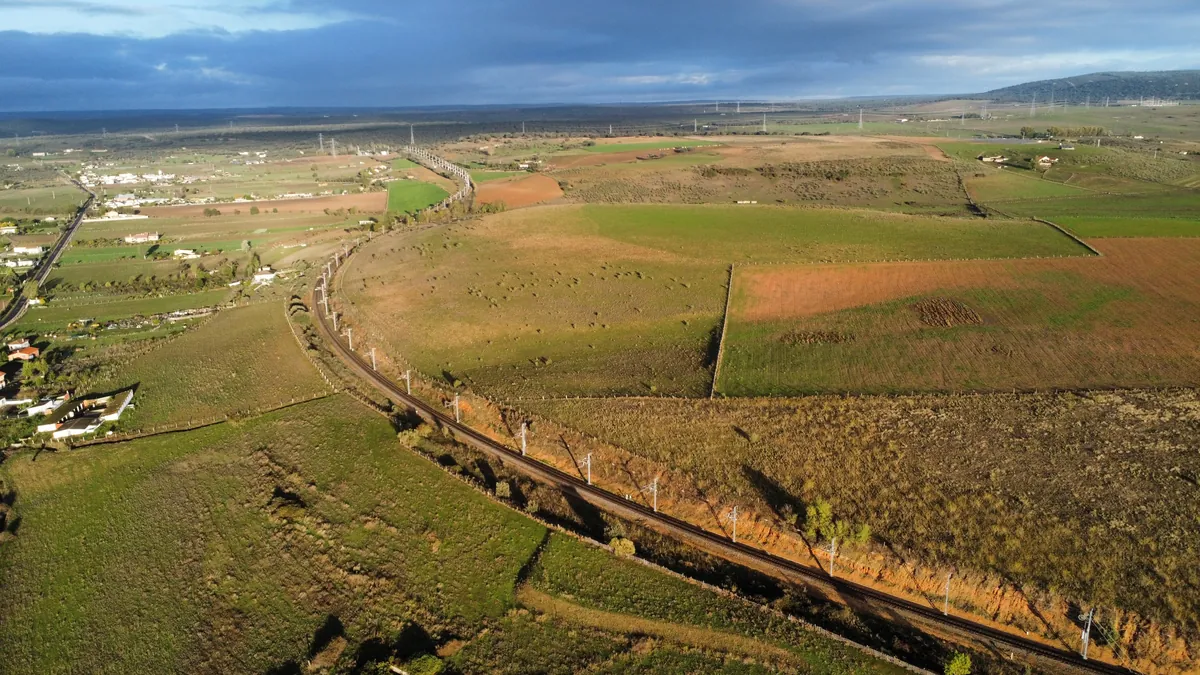
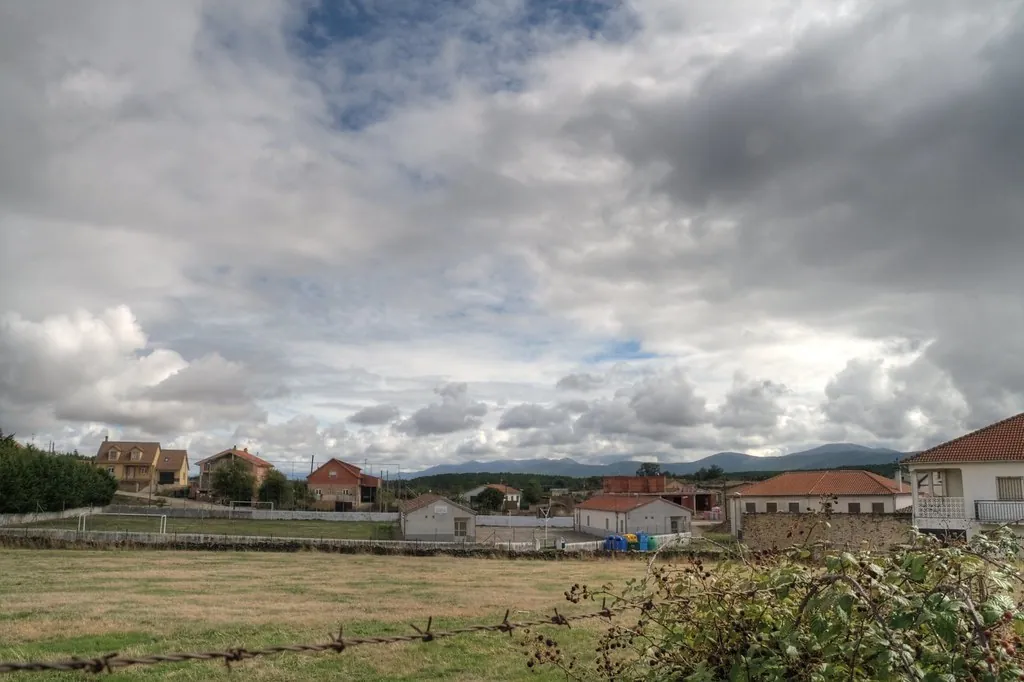
Villar de Ciervo occupies a shallow ridge 677 metres above sea level, twenty minutes short of the Portuguese border by car and roughly ninety minutes west of Salamanca City. The name translates as “Deer Hamlet”, though you are more likely to meet a tractor than any cervids. Five hundred people live here permanently; the number swells in August when emigrants return for the fiestas and the plaza temporarily holds more plastic chairs than inhabitants.
Stone-and-adobe houses line three short streets that meet at the church. Walls are thick enough to swallow mobile signal—handy, because the village has no bank, no petrol station and, crucially, no public transport. What it does have is an unfiltered lesson in how most of Spain lived until the 1970s: meat hooks in disused stables, bread delivered from a van that toots its horn, and a bar that opens when the owner feels like it (usually after the midday news).
Outsiders normally arrive by mistake, having confused the place with one of the three similarly named villages within a 150-kilometre radius. Satellite navigation loves the joke—keep the Salamanca province map downloaded offline or you may spend the night in León wondering where the border went.
Walking without waymarks
There are no signed trails, no gift-shop maps, no “Instagram spots”. Instead, a lattice of farm tracks fans out into holm-oak pasture. Pick any track, walk for twenty minutes, and the village shrinks to a pale tower between wheat stubble and granite outcrops. Kestrels hover overhead; cattle grunt from behind stone walls. The going is flat, so a reasonable circuit to the abandoned hamlet of El Bodón and back takes under two hours—carry water because shade is negotiable and the only bar en route closed circa 1950.
Spring brings orchids among the unfertilised meadows; October turns everything the colour of burnt toffee and releases the acorn-sweet smell that fattenes local pigs. Those pigs end up as chorizo, and chorizo ends up as currency: accept a homemade horseshoe of it when offered, lest you offend the maker and every preceding generation.
Serious hikers sometimes complain that the terrain lacks drama. They are missing the point: the pleasure here is microscopically gentle—an old stone well repurposed as a birdbath, the way grass grows inside ruined pigsties, a distant glimpse of the Portuguese fortress at Almeida framed by oak branches. Bring binoculars, not walking poles.
What passes for lunch
The village itself offers no restaurant. The single shop sells tinned tuna, tinned tomatoes and, on feast days, tinned asparagus. Self-catering is simplest: the two rural houses under the name La Vertedera have proper kitchens, English-language booking sites and five-star reviews based mainly on the shock of finding Wi-Fi stronger than in central London. Ingredients are bought in Ciudad Rodrigo (28 kilometres east) where the Saturday market dispenses garbanzos still warm from the oven and morcilla flavoured with local chestnuts rather than rice.
If you must be served, drive ten minutes to the Portuguese side—Almeida’s cobbled square hides a café that does grilled veal and chips for €9, poured by a waitress who also sells postage stamps. Otherwise, wait for the itinerant barbecue van that parks outside the church on fiesta weekend and dispenses half-chickens in foil trays while the priest looks on, benevolent or hungry, depending on orthodoxy.
When the village remembers it’s Spanish
Fiestas honour the Virgen de la Candelaria around 15 August. For three days tranquillity is stored in a box labelled “do not disturb until further notice”. Brass bands march at two in the morning, children chase through bunting-draped alleys, and the plaza hosts a lottery in which first prize is a live goat. Visitors are welcome, doubly so if they contribute to the beer fund sloshing about in a plastic bucket. Earplugs recommended; romantic notions of sleepy Spain go temporarily on hold.
Winter, by contrast, is when the village remembers its own company. Daytime highs hover around 8 °C; night frosts silver the wheat stubble. Roads stay open—gritting reaches even this fringe of the province—but cafés in neighbouring towns close on random Tuesdays, so fill the car with fuel and bread before the weekend. On the upside, stone walls two feet thick keep the cottages cosy and the night sky unpolluted enough to confuse Orion with a Christmas decoration.
The practical bit, because someone will ask
Getting here: Fly to Madrid or to Salamanca via Barcelona/Bilbao with Ryanair out of London. Hire a car—non-negotiable—and head west on the A-62 to Ciudad Rodrigo, then the N-620 towards Portugal. Turn off at kilometre 313; the village sign is half hidden by an overhanging oak. Total drive from Madrid is two-and-a-half hours; Salamanca is one hour fifteen.
Staying: La Vertedera I & II are the only bookable beds. Each house sleeps four, costs about €90 a night and includes firewood, olive oil and a bottle of local red left on the table. Mobile coverage is excellent; the owners live in Salamanca city and meet guests with keys, not keyboxes.
Money: Bring cash. The nearest ATM is in Fresnedoso, 11 kilometres away, and it runs out of notes on Friday evenings. Cards are treated with suspicion in most neighbouring bars; the Portuguese frontier guards prefer exact change for coffee.
Language: English is essentially unheard. A smile and school Spanish suffice for buying bread; anything more complicated (explaining why you need to photograph a disused pigsty, for instance) requires creative mime.
An honest goodbye
Villar de Ciervo will not change your life, deliver epiphanies or rack up social-media likes. It offers something narrower and increasingly rare: a stretch of hours unaccounted for by algorithms or entry fees. If that sounds like boredom, book elsewhere. If it sounds like breathing space, arrive with a full tank and an empty diary. The dogs will still be arguing after dark, and the church bell will still sort them out at seven tomorrow morning.