Full Article
about Villar de la Yegua
Town near the Siega Verde site; cattle-raising tradition and rocky riverside setting.
Ocultar artículo Leer artículo completo
The church bell tolls eleven. A tractor answers back with a throaty diesel cough. No one hurries. In Villar de la Yegua, 700 m above sea level on Spain’s western meseta, time is measured by shadows sliding across stone rather than by any wristwatch.
The Edge of the Meseta
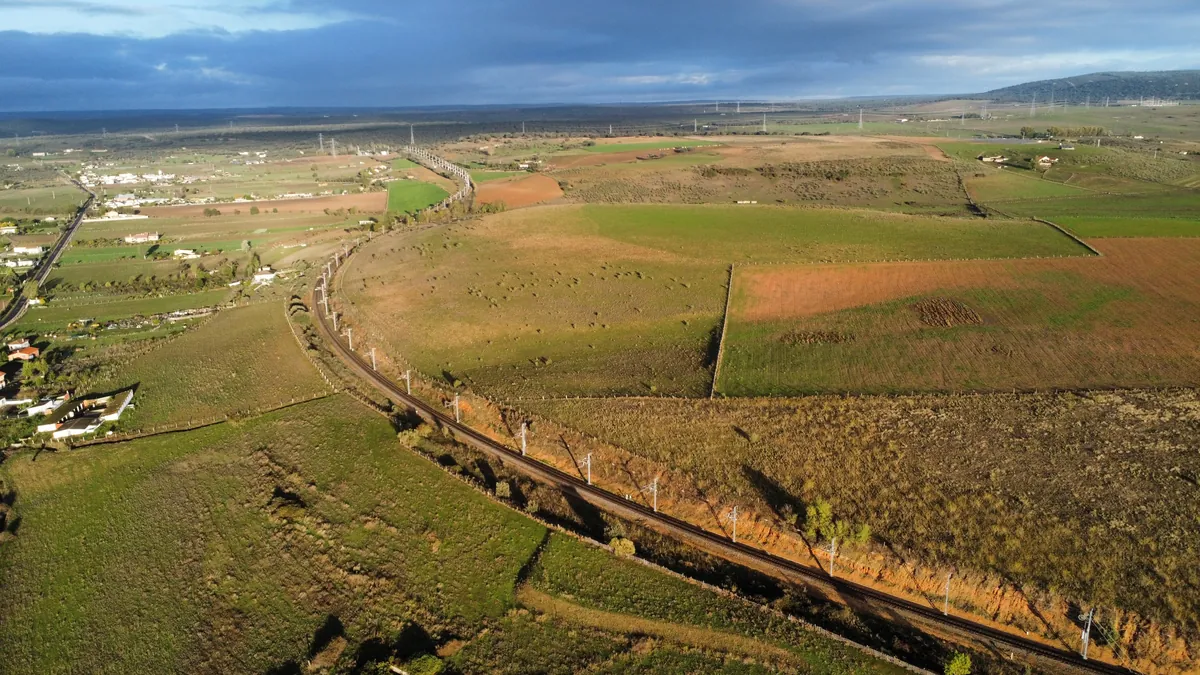
From the mirador on the village’s southern lip you look over a checkerboard of cereal plots, each hedged by holm-oak dehesa. The land drops so gently towards Portugal that you only notice the slope when the horizon keeps retreating. In April the wheat is ankle-high and the colour of oxidised copper; by late June it will be gold and rustling like dry paper. Bring a wide-angle lens: the panorama is too wide for a phone, yet almost empty of power lines or rooflines to spoil the frame.
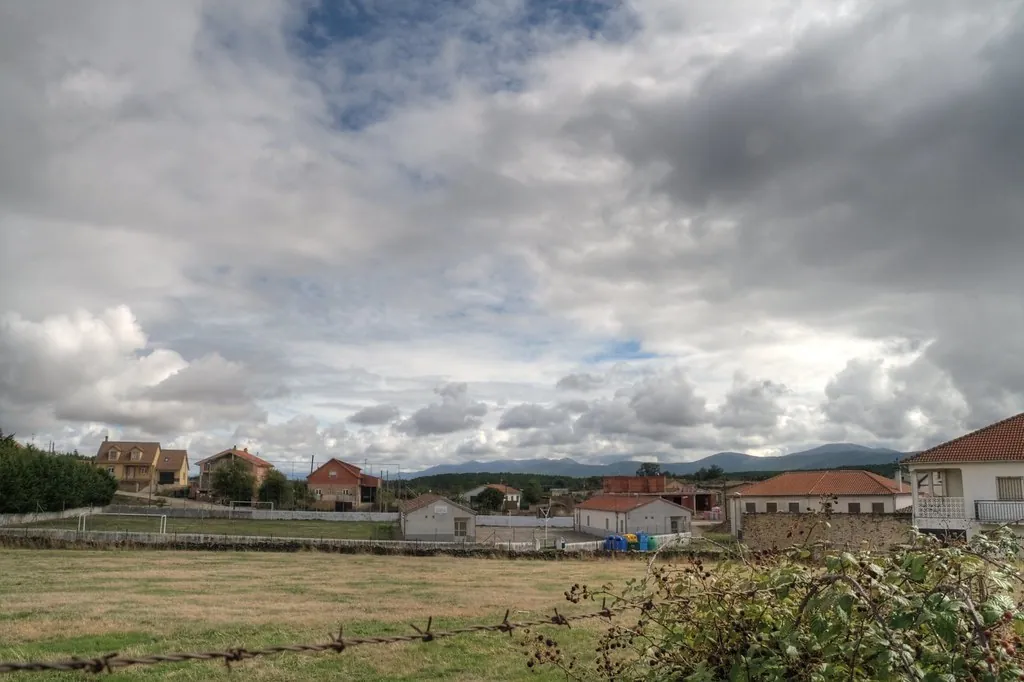
The village itself is a single lattice of stone houses, 154 of them, interrupted by the squat tower of the parish church. Mortar crumbles, timber doors have bowed with centuries of hot summers and sharp frosts, but satellite dishes bloom from upper walls like grey mushrooms. It is neither abandoned nor prettified—simply still inhabited. A neighbour may offer directions; more likely he’ll ask where you’re headed and then suggest you stay for the morning because “the light is good today”.
What You Won’t Find on the Panel
There are no ticket booths, audioguides or bilingual plaques. The church is usually locked; the key hangs in the bar, but the bar opens when the owner finishes feeding her chickens. Inside, the nave smells of candle wax and damp stone; the retablo is nineteenth-century, chipped, repainted, loved. Look up and you’ll see a ceiling of Mudejar-style wooden ties—an echo of Moorish craftsmen long after the Reconquista pushed south.
The lanes are barely two metres wide; cars park wherever a wheel rut widens. Stone walls bulge like loaves left to over-prove; ivy and Virginia creeper have prised apart joints that builders trusted four hundred years ago. Some houses are freshly pointed, others open to the sky. One courtyard contains a rust-red Massey-Ferguson from 1978, its tyres flat, bonnet serving as a picnic table for hens. The scene is neither romantic nor derelict—just the working cycle of a place that never had surplus cash to hide its machinery.
Walking the Grain Roads
Paths radiate from the village like spokes, unpaved but graded by decades of tractor tyres. Head south-east on the track signed “Los Santos” and within fifteen minutes the only sound is your boots on flint and the distant clonk of a cowbell. The dehesas here are open, the oaks spaced so their canopies never touch; pigs snuffle for acorns between February and April, flavouring the future jamón ibérico. Kites and booted eagles patrol the thermals; storks clatter on nests balanced precariously atop electricity pylons.
There are no way-markers, so keep the stone-wheat field boundary on your left and you’ll loop back to the road after 6 km. Allow two hours, carry water—faucets in the village square run only when the council remembers to pay the pump bill—and start early: by noon the reflected heat off the limestone can push 35 °C even in May. Winter visits bring the opposite problem: night frosts of –8 °C are common, and the CL-512 from Ciudad Rodrigo is salted, not gritted, so a hire car with decent tyres is essential between December and March.
Bread, Cheese and the Missing Menu
Villar de la Yegua does not do lunch. The single shop opens 09:00–11:00, sells tinned tuna, UHT milk and locally made chorizo, then shutters for the day. If you arrive hungry, the policy is simple: bring it with you. Picnic tables sit under the eucalyptus behind the church; the fountain water is potable and cold enough to chill a bottle of verdejo from the supermarket in Ciudad Rodrigo.
For a sit-down meal you drive 24 km east to the walled city. Try El Rincón de la Menta on Plaza de Amayuelas: judiones de La Granja beans the size of marbles, stewed with pig’s cheek and clove, about €14 (£12). Back in the village, evening social life centres on the porch of the Casa de Cultura when wi-fi leaks through the stone. Teenagers scroll TikTok beside octogenarians shelling almonds; both groups ignore the foreigners because outsiders are still rare enough not to merit a performance.
The Practical Bit
Getting here: Fly London-Madrid, pick up a hire car at T1, head west on the A-50 for 200 km, then CL-512 for the final 40 km. Total drive 2 h 30 min; petrol roughly €30 each way. There is no bus; a taxi from Ciudad Rodrigo costs €35 and must be booked the day before.
Stay or day-trip? The village has zero accommodation. Nearest beds are in Ciudad Rodrigo: the Parador occupies a twelfth-century castle, doubles from £69 if you book ahead on UK sites, parking included. Cheaper is Hotel Puerta Ciudad Rodrigo (from £39), but you sacrifice the battlements view.
How long? Two hours lets you circle the settlement, photograph the mirador and drink from the fountain. Half a day allows the grain-road loop; combine with Ciudad Rodrigo’s cathedral and Thursday market for a full itinerary.
When the Wind Stops
Leave at dusk and the place can feel suspended: no streetlights flick on, no televisions murmur behind shutters. The only glow comes from the west where the sun drops behind Portugal, turning the cereal stubble the colour of burnt toffee. You might expect silence, but instead there is a low hush—wheat brushing wheat, a dog barking three farms away, the creak of an iron weathervane that has pointed since 1892.
It is not beautiful in the chocolate-box sense; parts are tattered, access is awkward, and you will eat better twenty kilometres east. Yet Villar de la Yegua offers something the prettier villages have traded away: the sense that nothing is being staged for your camera. Turn the car round, bump back onto the CL-512, and the meseta keeps rolling, indifferent and enduring, exactly as it was when the bell struck eleven that morning.