Full Article
about Zamarra
Scattered municipality with archaeological remains and dehesa landscape; very sparsely populated and quiet
Hide article Read full article
Zamarra: A Village on the Penillanura
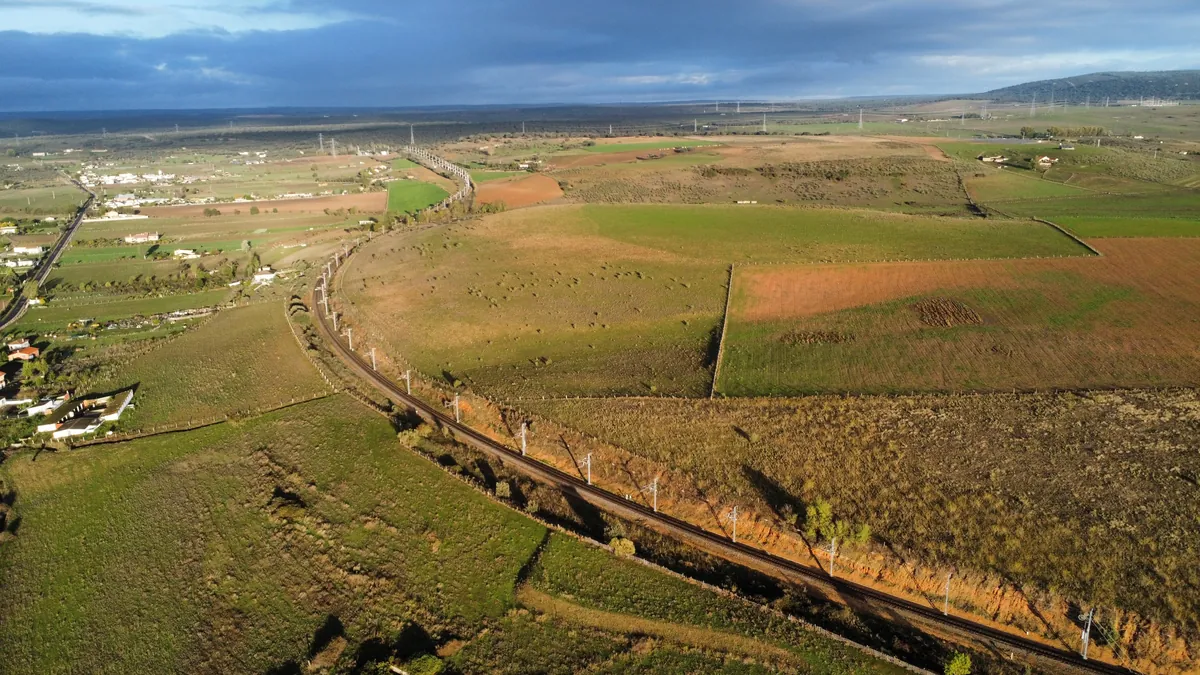
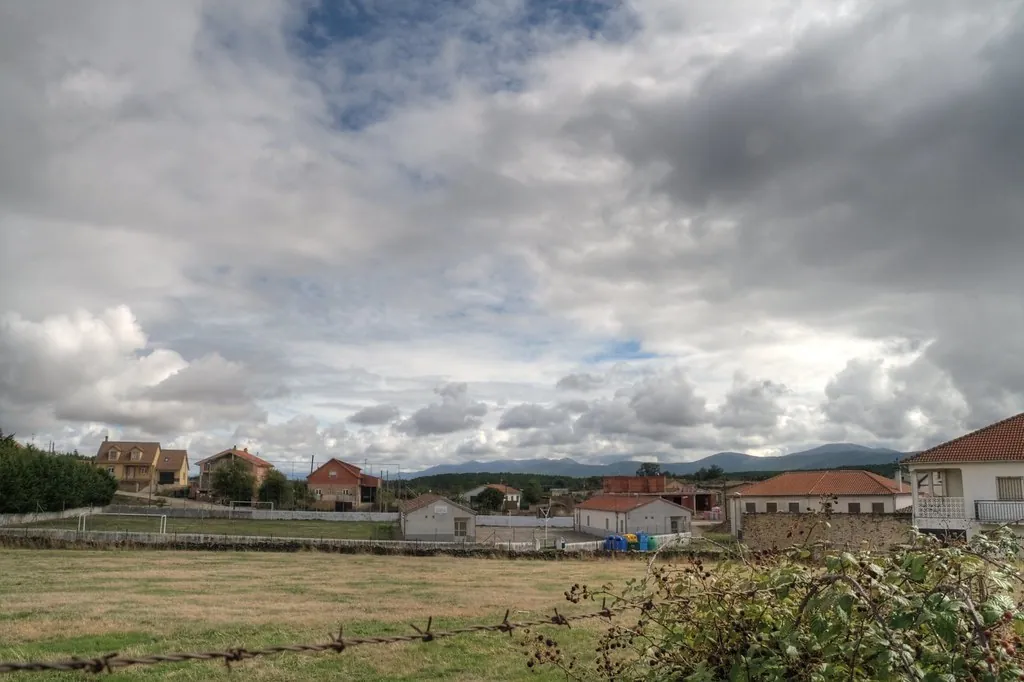
Zamarra sits on a slight elevation of the Salamanca penillanura, the vast, undulating plain that characterises this part of the province. With around seventy inhabitants, it is one of the smallest municipalities in the comarca of Ciudad Rodrigo. The population figure is the key to understanding its rhythm: this is a place defined by agricultural work and a scale where public life and private life are scarcely separate.
The architecture is strictly functional. Houses are built from local stone and roofed with clay tile, designed to withstand the continental climate—cold in winter, hot in summer. You see wide gateways meant for carts, not cars, and walls that have been patched and repaired over generations. There is no intended decoration here; the form follows the needs of livestock and crop farming.
The Church as a Landmark
The parish church organises the village. Its tower is the highest point, visible from the dirt tracks that approach from the dehesa. The building itself is modest, but its position is strategic. For centuries, such towers served as visual anchors in this open landscape. The bells still ring for Mass and mark the hours, their sound carrying clearly over the rooftops.
From the church, the streets run briefly and directly to the edge of the settlement. You can walk their entire length in minutes. Some houses show signs of recent renovation—new windows, repaired stonework—but the layout remains unchanged: a tight cluster of dwellings facing inward, with the fields beginning just beyond the last wall.
The Dehesa at the Doorstep
Step past those last houses and the dehesa begins immediately. This is the managed oak woodland and pasture system that defines western Salamanca. Holm oaks are spaced deliberately apart, their shade protecting grassland for grazing. In spring, the green is intense; by late summer, the land turns gold and brown. The tracks leading out are farm roads, used for moving livestock and machinery. They are walkable, but they are not recreational footpaths.
Walking them, you notice the birdlife first. White storks nest on electrical pylons. Black kites circle overhead. On clear days, griffon vultures pass in the distance, heading for the more rugged terrain near the Portuguese border. The horizon is vast, interrupted only by the occasional farmstead or a line of trees.
Proximity to Ciudad Rodrigo
Zamarra’s relationship with Ciudad Rodrigo, fifteen kilometres to the north-west, is fundamental. For centuries, this fortified city has been the administrative, commercial, and social centre for all the surrounding villages. People from Zamarra go there for supplies, paperwork, and healthcare.
For a visitor, this proximity provides context. Zamarra is the rural counterpoint to the city’s dense historical core. A morning spent walking its silent streets makes the bustle of Ciudad Rodrigo’s Plaza Mayor feel all the more pronounced. The two places are parts of a single whole.
Calendar and Customs
The main festival takes place in summer, coinciding with the return of former residents. It is a local affair, with music in the evening and gatherings that last into the night around the church square.
Other observances are quieter. Holy Week is marked simply, without elaborate processions. In winter, some households still carry out the matanza, the traditional pig slaughter. It is a private family event, part of the annual cycle of food production, not a performance for outsiders.
A Practical Walk
To see Zamarra, park near the church. Walk the handful of streets, noting the construction of the older houses: the thickness of the walls, the orientation of the doors. Then follow any track leading out into the dehesa for twenty minutes. The view back towards the village, with its church tower rising from a swell of land, frames it perfectly.
There are no services for visitors here—no open bars, no shops. The experience is one of atmosphere and geography: seeing how a small community fits into a vast, working landscape. It is a brief visit, best done on a drive to or from Ciudad Rodrigo, when the low sun casts long shadows across the plain.