Full Article
about Condado de Treviño
Burgos enclave inside Álava; rich Romanesque heritage and hermitage
Hide article Read full article
Condado de Treviño: un enclave en la llanura
Condado de Treviño es un enclave administrativo: pertenece a Castilla y León pero está rodeado por completo por la provincia de Álava, en el País Vasco. Esta situación explica buena parte de su historia reciente y ciertos matices culturales que se perciben en la vida cotidiana.
El municipio tiene alrededor de 1.500 habitantes repartidos en varios núcleos. El paisaje es el de la llanura interior del Ebro: colinas suaves, campos de cereal parcelados y manchas dispersas de encina y quejigo. A unos 550 metros de altitud, el terreno se siente abierto. Al norte, los Montes de Vitoria trazan una línea clara en el horizonte, visible desde muchos de los caminos que unen los pueblos.
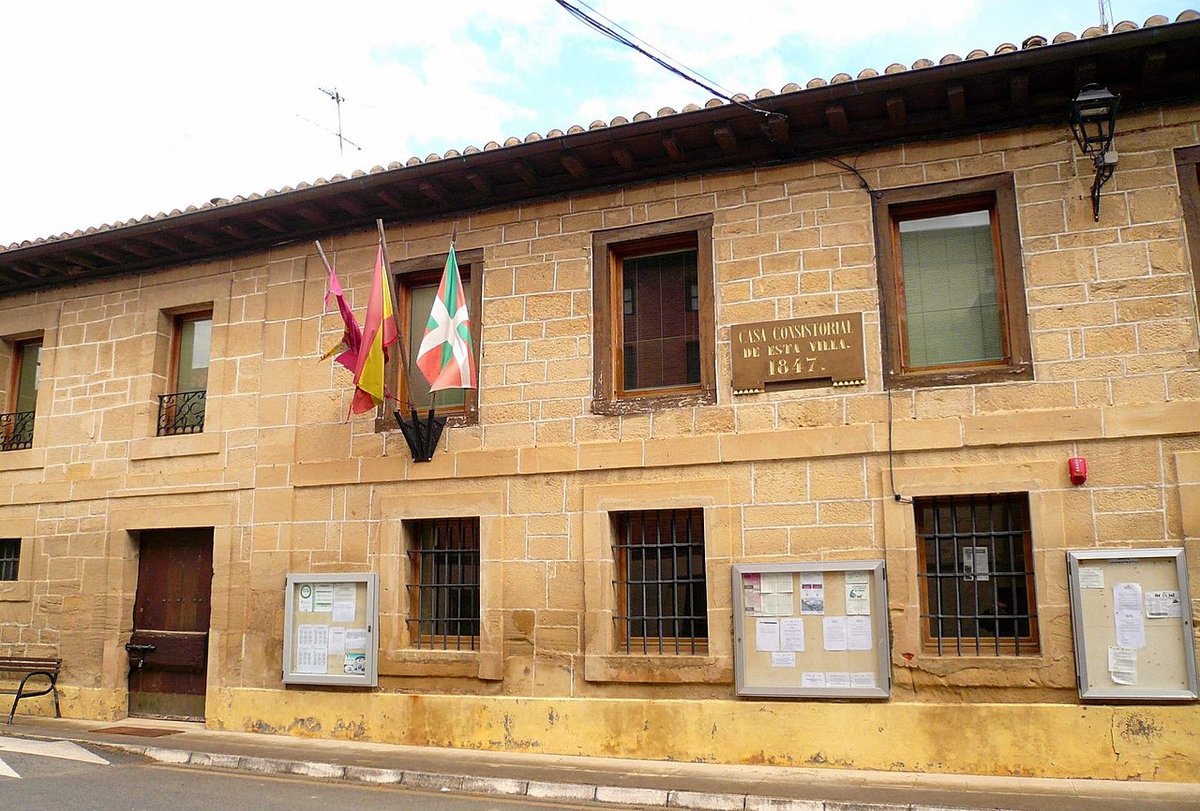
La arquitectura sigue patrones castellanos reconocibles. Casas de piedra, algunas con escudos labrados en las fachadas, se agrupan alrededor de las iglesias parroquiales. Treviño, la localidad que da nombre al condado, concentra las funciones administrativas y la mayoría de los servicios. Aun así, el territorio se comprende mejor recorriendo los pueblos menores diseminados por la llanura.
Llegar aquí supone entrar en una zona con muy poco movimiento turístico. La proximidad de Vitoria ha marcado la vida diaria en lo práctico, pero el paisaje y la organización de la tierra siguen vinculados a la agricultura.
Arquitectura rural: iglesias y piedra
La Iglesia de San Pedro en Treviño es el edificio más notable del núcleo principal. Sus orígenes están en el siglo XVI, con reformas posteriores, probablemente del XVIII. La estructura es sobria en volumen y diseño, coherente con las parroquias rurales de esta parte de Castilla. Desde la plaza mayor se ven bien las portadas y varios escudos que recuerdan a las familias que tuvieron influencia en la zona.
En Treviño se mantiene también el Convento de la Concepción. El complejo forma parte del tejido urbano desde hace siglos. Su interior no suele estar abierto al público de forma regular, pero la propia presencia del edificio ayuda a explicar el papel de las comunidades religiosas en una localidad que durante mucho tiempo fue el centro administrativo del territorio.
Fuera de Treviño, aparecen pequeñas iglesias románicas y góticas en los pueblos vecinos. San Vicentejo, Ozana y Arrieta conservan templos rurales modestos, a veces en aparente aislamiento entre los campos. No siempre están abiertos, pero su posición dentro del paisaje agrícola habla de la organización histórica de estas aldeas.
Recorrer la llanura
Los caminos agrícolas que conectan los pueblos permiten explorar el condado a pie o en bicicleta sin afrontar desniveles significativos. Son rutas sencillas, por vías utilizadas desde hace tiempo por los vecinos para moverse entre núcleos. Desde Treviño se pueden planear paseos circulares cortos para enlazar varias localidades en una mañana.
El campo refleja los ritmos de la vida agraria. Los campos de cereal dominan la vista, y el carácter abierto del terreno permite perspectivas amplias en todas direcciones. No es un espacio natural protegido, pero el paisaje agrícola aún mantiene una actividad notable de fauna.
Los campos abiertos son apropiados para observar aves ligadas al cultivo del cereal. Algunas rapaces patrullan estas llanuras. Bastan paciencia y un acercamiento tranquilo para apreciar esta faceta del territorio.
En otoño, las manchas de bosque cercanas atraen a quienes buscan setas. Conviene conocer las especies o ir acompañado de alguien con experiencia. Las normas de recogida pueden variar según el lugar concreto, por lo que es útil preguntar localmente antes de salir.
Comida y festejos
La cocina local mezcla costumbres castellanas con cierta influencia alavesa. Las legumbres aparecen con regularidad, junto a guisos de cordero y platos vinculados al producto de temporada. La oferta no es especialmente amplia y el horario continuo no es lo habitual, algo común en municipios pequeños.
El calendario festivo sigue el ritmo típico de los pueblos de la Meseta. La fiesta de San Pedro, patrón de Treviño, se suele celebrar a finales de junio con actos religiosos y encuentros entre vecinos. Durante el verano, muchas localidades del condado celebran sus propias fiestas patronales.
Son celebraciones sencillas, organizadas principalmente para la gente del pueblo y para quienes regresan en periodo vacacional. Procesiones, música y comidas compartidas marcan esos días. El acento está en lo comunitario, no en el espectáculo.
Un territorio entre dos administraciones
Condado de Treviño se entiende mejor con calma, moviéndose entre pueblos y campos de cultivo. No hay monumentos mayores ni rutas para visitantes cuidadosamente diseñadas. Lo que queda es el rastro de siglos de vida rural en un territorio que siempre ha estado entre dos administraciones.
Esa condición, pertenecer a Castilla y León estando rodeado por Álava, sigue definiendo su carácter. La mezcla es sutil más que dramática, visible en los hábitos cotidianos, en la comida y en la forma en que se organiza la tierra. Para quien viaja interesado en la geografía interna de España y en paisajes modelados más por el trabajo que por el turismo, el condado muestra cómo la historia y el territorio pueden entrelazarse.