Full Article
about Arganza
Bercian municipality ringed by vineyards and orchards; it holds notable manor and palace architecture.
Ocultar artículo Leer artículo completo
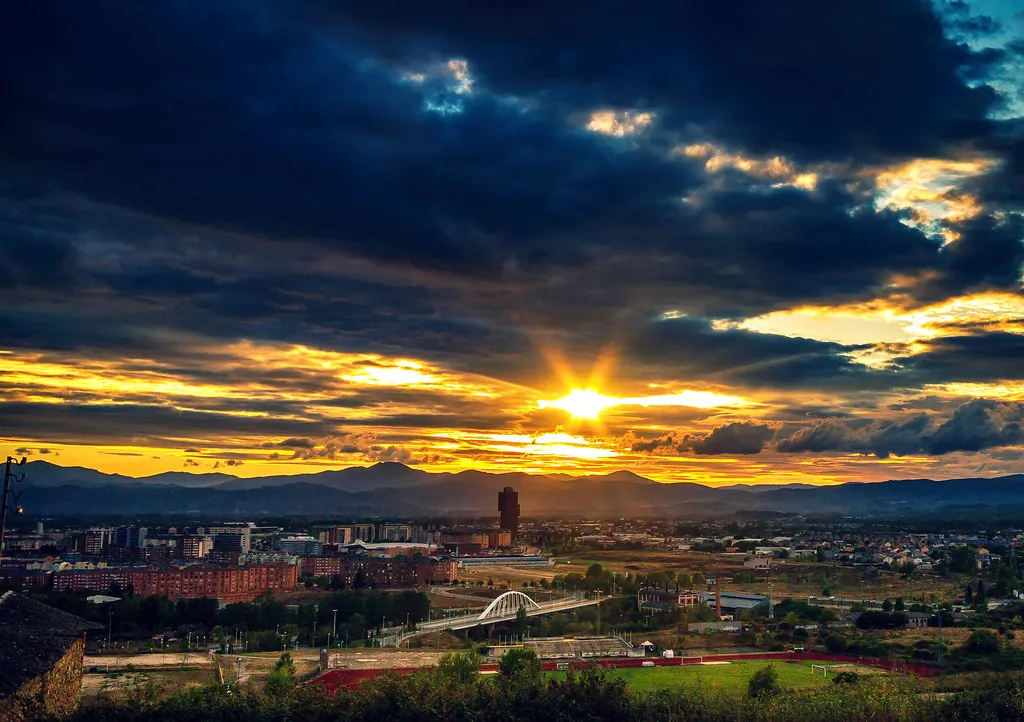
The morning mist clings to the vineyards at 601 metres, and from the church tower of San Juan Bautista you can watch it burn off to reveal the Bierzo valley spreading below like a crumpled green quilt. This is Arganza at daybreak, when the only sounds are church bells and the occasional tractor grinding through its first gear of the day.
Most visitors race past this stone village on the A6, hell-bent on reaching the Camino de Santiago hotspots further west. Their loss. Arganza sits just 12 kilometres from Ponferrada, close enough for supplies yet far enough up the slopes that summer temperatures drop a good three degrees cooler than the valley floor. The altitude makes all the difference: vines prosper where olives fail, chestnut trees replace almond groves, and even in July you'll want a jumper after sundown.
Stone, Wood and the Smell of Fermenting Grapes
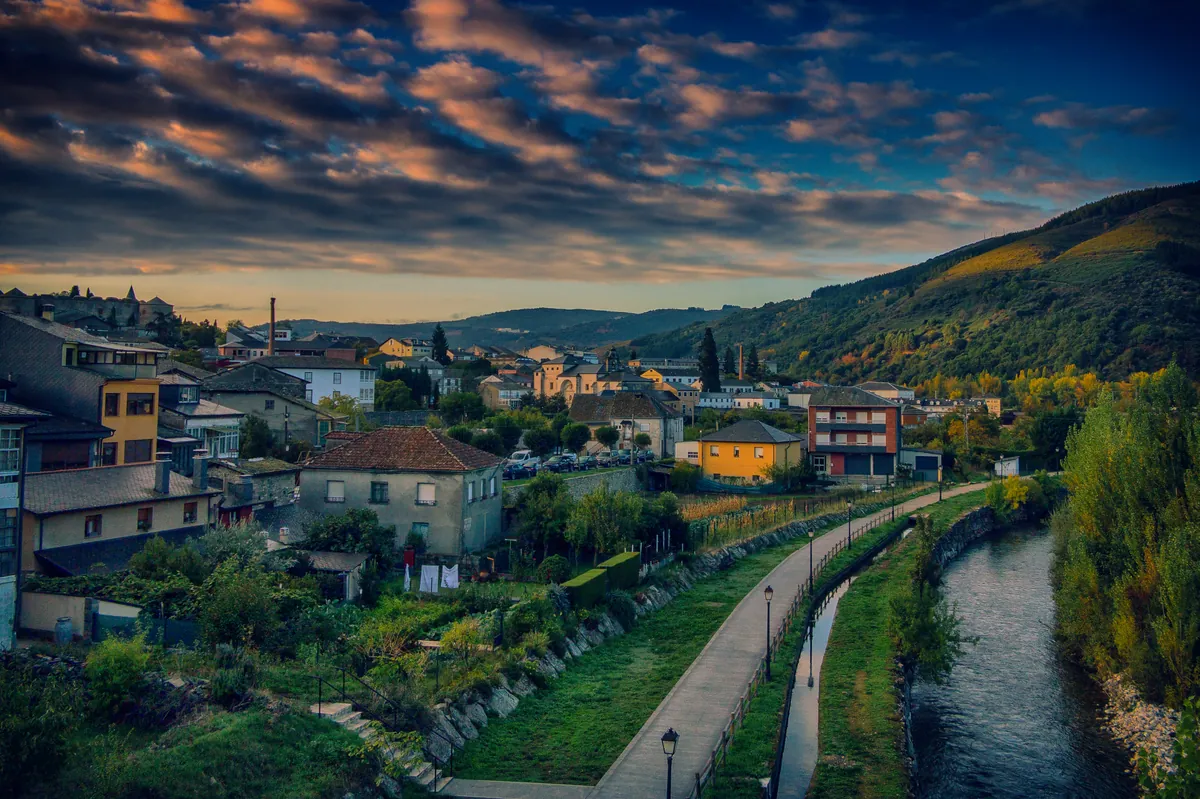
The village centre reveals itself slowly. No dramatic plaza mayor here – instead, a lattice of narrow lanes where houses grow out of the bedrock, their wooden balconies sagging under geraniums and decades of mountain weather. Look up and you'll spot noble coats of arms carved into lintels, reminders that Arganza once supplied wheat and wine to the Knights Templar castle down in Ponferrada. The parish church anchors everything, its mismatched tower rebuilt after lightning struck in 1892. Inside, the 18th-century retablo glints with gold leaf that local craftsmen restored during lockdown, scraping off centuries of candle soot with dental tools.
Walk five minutes in any direction and you're among vineyards. These aren't the geometric rows of Rioja – Bierzo vines are trained low to the ground, protected from Atlantic storms that barrel up the valley. The soil is a rusty red, laced with slate that radiates heat back onto the grapes. Mencía rules here: the local red variety produces wines that taste like someone crossed Burgundy with Ribera del Duero. Several small bodegas open for tastings, though you'll need to phone ahead. Try Bodega del Tío Cermo on the Camino de Santalla – they'll show you their 200-year-old press and pour a mencía that tastes of blackberries and wet slate. Bottles start at €9, a steal compared to supermarket prices back home.
When the Slope Becomes the Path
Arganza's real appeal lies in what surrounds it. A web of agricultural tracks leads into the hills, waymarked by the regional government as "rutas de senda". The easiest loops south through the vineyards towards Carracedelo, a flat 8-kilometre stroll that takes two hours including stops for blackberries in September. More ambitious walkers can tackle the 15-kilometre circuit to Carracedelo monastery, climbing 400 metres through chestnut forest before dropping into the valley. Marking is sporadic – download the Tracks of the Bierzo app before you leave home, and carry water; bars are scarce once you leave the village.
Winter transforms these paths. Snow falls perhaps twice each season, but frost grips the vineyards from November through March. The upside: crystal visibility that lets you pick out the distant peaks of Galicia. The downside: night-time temperatures that plunge to -8°C, when even the locals stay indoors. Access remains straightforward – the regional council grits the main road – but you'll want winter tyres if you're staying in one of the rural casas rurales scattered above the village.
What to Eat When the Mist Rolls In
Bierzo cuisine is built for altitude. The signature dish, botillo, resembles a rugby-ball-sized haggis: pork ribs and tail stuffed into pig intestine, then smoked over oak for weeks. Restaurants serve it boiled with cachelos (chunky potatoes) and turnip tops – a meal so substantial you'll cancel afternoon plans. Bar Ciriaco on Calle Real does a decent version for €12, though they need 24 hours' notice; most diners opt for the menu del día at €14, three courses including local embutidos and a half-bottle of house wine.
Vegetarians struggle. The village's one vegetarian-friendly restaurant closed during the pandemic and never reopened. Your best bet is La Posada in neighbouring Carracedelo, 10 minutes by car, where the owner's daughter studied in Brighton and understands the concept of meat-free Mondays. Otherwise, order judiones (giant butter beans) stewed with saffron and hope the chef hasn't chucked in chorizo. Desserts are safer: chestnut flan in autumn, fried milk pudding in winter, all drizzled with local honey that tastes of heather and wild thyme.
Timing Your Visit: Avoiding the Wine Rush
Spring brings wild orchids to the vineyard margins and temperatures hovering around 18°C – ideal hiking weather without the summer crowds. Accommodation is plentiful: four casas rurales in the village itself, sleeping four to eight people from €80 per night. Book early for the last weekend in April, when neighbouring Cacabelos hosts its wine fair and rooms fill with Madrid weekenders.
Avoid August if possible. The village fiestas (14-17 August) attract returning emigrants from Barcelona and Bilbao, tripling the population. Music blares until 4am, parking evaporates, and the single cash machine runs dry. September is better: harvest kicks off around the 20th, tractors clog the lanes, and most bodegas will let you watch the sorting tables in action. The air smells of crushed grapes and diesel – oddly intoxicating.
November is the wild card. The chestnut forests turn bronze, morning frost silvers the spider webs, and you might have the camino to Santalla entirely to yourself. Just pack layers: the temperature swing from 3°C at 8am to 20°C by lunchtime demands both fleece and T-shirt in the same morning.
The Reality Check
Arganza won't suit everyone. English is rarely spoken outside the bodegas, the nearest supermarket is a 15-minute drive, and nightlife consists of pensioners playing cards under fluorescent lights in the bar. Mobile signal drops to 3G in the upper lanes. Yet if you're after a base where you can walk from the door into vineyard country, drink wine that costs less than bottled water, and watch the sun set over mountains that once guarded the last Christian frontier, this stone village delivers. Just don't expect souvenir shops – bring a corkscrew instead, and carry cash. The bakery doesn't take cards, and their almond biscuits disappear by 10am.