Full Article
about Barjas
Border municipality with Galicia deep in the mountains; known for its ancient beech forest and slate vernacular architecture.
Ocultar artículo Leer artículo completo
The chestnut trees turn gold in October, dropping their spiky green shells onto stone paths that have connected five tiny settlements since before Columbus sailed west. At 850 metres above sea level, Barjas doesn't announce itself with dramatic vistas or Instagram-ready plazas. Instead, this scattering of villages across León's western mountains rewards those who arrive with sturdy shoes and time to spare.
Five Villages, One Rhythm
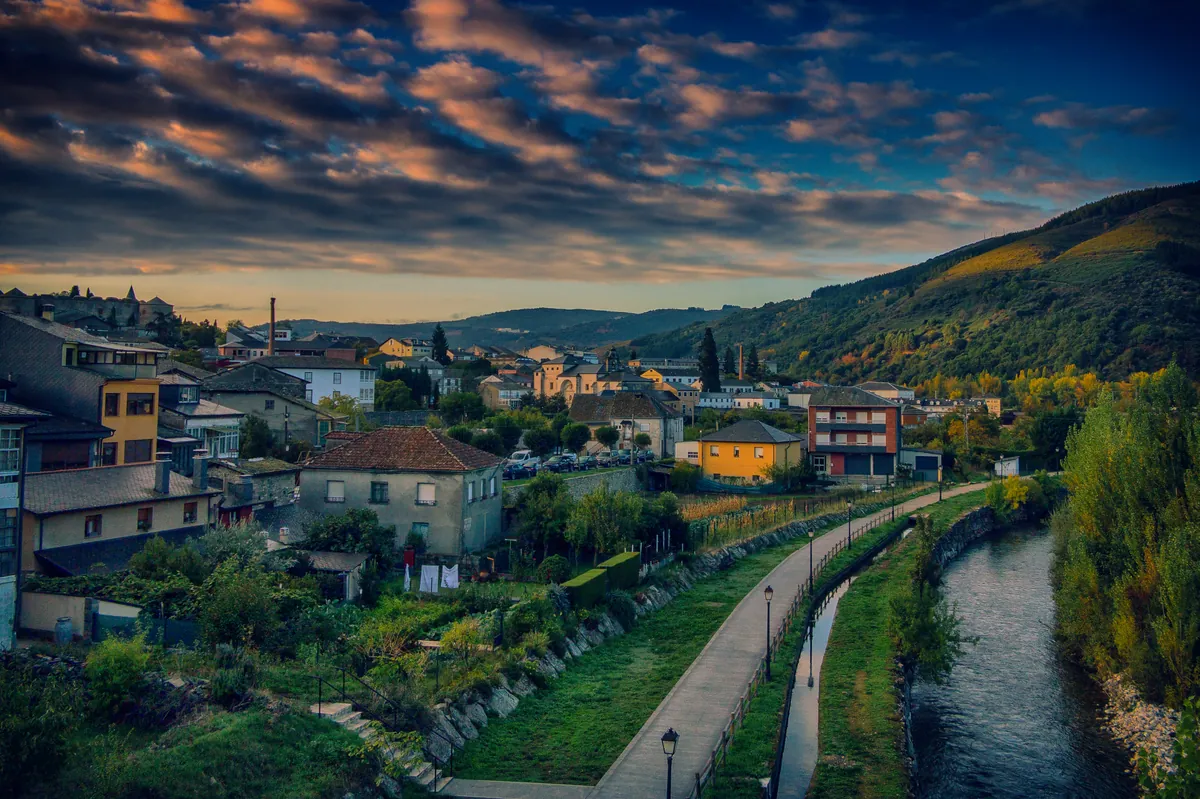
Barjas comprises Vegas de Seo, Corrales, Busmayor, Moldes and several smaller hamlets, each barely a dozen stone houses strong. The municipal capital, Vegas de Seo, centres around the 18th-century Church of San Esteban, its modest bell tower visible for miles across the valley. Unlike Spain's better-known mountain towns, there's no medieval castle or cathedral here—just the enduring architecture of rural life: slate-roofed stone houses, grain stores raised on stilts, and the occasional palloza, a circular thatched dwelling that predates the Romans.
The villages connect via ancient footpaths that double as livestock routes and walking trails. These aren't manicured national park paths but working routes where farmers still drive cattle and locals forage for chestnuts and mushrooms. The stone walls lining the tracks have stood for centuries, their mortar moss-covered and bulging in places, yet still doing their job of marking boundaries and keeping livestock from straying.
Life at Altitude
Winter arrives early at this elevation. Snow can blanket the upper valleys from November through March, rendering the single access road treacherous and occasionally impassable. The hardy souls who remain—mostly retirees and a few families keeping traditional farming alive—stockpile firewood and preserve vegetables from summer gardens. Summer brings relief but also the reality of mountain weather: mornings start cool and clear, afternoons can turn stormy without warning, and evenings require a jacket even in August.
The altitude shapes everything here. Chestnuts and oaks thrive where olives and vines cannot. The air carries the scent of damp earth and woodsmoke rather than the herb-scented dryness of lower Spain. Birds of prey—red kites, buzzards, the occasional golden eagle—ride thermals above the valleys, their calls echoing off granite outcrops.
What the Forest Gives
October transforms the landscape into a forager's paradise. The chestnut woods that cloak the hillsides produce thousands of kilos of nuts, gathered by locals who know precisely which trees yield the sweetest fruit. Wild mushrooms appear after autumn rains: níscalos hiding beneath oak leaves, giant porcini pushing through forest floor debris. But this isn't a pick-your-own attraction. The forests belong to those who live here, and visitors should observe quietly rather than harvest.
The chestnut harvest once drove the local economy. Dried nuts fed families through winter, surplus sold at markets in Ponferrada twenty kilometres distant. Today, most trees feed wild boar and the occasional weekend visitor who knows to look for the sweet variety rather than the bitter horse chestnuts that line the access road.
Eating Mountain Style
Bierzo cuisine suits the climate and altitude—hearty, pork-heavy, designed to fuel days spent on steep slopes. The local speciality, botillo, resembles a rugby ball-sized haggis: pork shoulder, ribs and tail stuffed into pig intestine, smoked over oak fires, then simmered for hours with potatoes and cabbage. Restaurants in neighbouring villages serve it during winter weekends; in summer, lighter options appear—river trout, wild mushrooms with eggs, salads featuring the region's excellent peppers.
Don't expect sophisticated dining. The closest proper restaurant sits in Carracedelo, fifteen minutes by car. In Barjas itself, accommodation providers cook for guests if arranged in advance. They'll serve whatever's seasonal—game stews in autumn, fresh vegetables in summer, preserved meats during winter when supplies run low.
Practical Realities
Getting here requires commitment. The nearest airport, León, lies 90 minutes away with limited flights from the UK. Santiago de Compostela offers better connections but adds two hours to the journey. Car hire proves essential—public transport reaches Cacabelos, six kilometres distant, but the final climb to Barjas runs on a single-track road with passing places. In winter, snow chains become necessary rather than precautionary.
Accommodation options remain limited. Casa Da Ponte, the only property listed on major booking sites, offers three rooms in a restored stone house. Casa Polín provides similar facilities with slightly better reviews. Both operate more as rural retreats than hotels—expect home cooking, variable hot water pressure, and hosts who speak limited English. Book directly for better rates and to arrange meals.
Mobile phone coverage proves sporadic. Vodafone and Orange work near the main road; deeper into the valleys, nothing connects. Download offline maps before arriving. The nearest cash machine sits in Cacabelos—Barjas itself has no bank, no petrol station, no pharmacy. The village shop opens sporadically, selling basics like bread, tinned goods and local wine.
When to Visit, When to Stay Away
Spring brings wildflowers and migrating birds but also unpredictable weather—pack layers and waterproofs. May offers the best compromise: warm days, cool nights, forests carpeted with orchids and wild garlic. October delivers autumn colours and chestnut foraging but also hunting season—wear bright colours and stick to marked paths where local hunters pursue boar.
July and August attract Spanish families to second homes, filling the villages with children and conversation. The atmosphere shifts from working community to holiday retreat. Prices rise, restaurants require booking, and the silence that defines Barjas gives way to generators powering holiday rentals.
Winter visits suit only the self-sufficient. Snow closes higher paths, restaurants operate weekend-only schedules, and daylight lasts barely eight hours. But for those seeking genuine isolation, January delivers—empty villages, pristine snow, and the satisfaction of thriving where life remains marginal.
The mountains of western León don't deliver instant gratification. Barjas reveals itself slowly, through conversations with shopkeepers who remember when thirty families lived in each village, through paths that connect settlements like beads on an ancient necklace, through food that tastes of altitude and tradition. Come prepared for silence, for weather that changes hourly, for a Spain that existed long before coastal resorts and city breaks. Leave with the understanding that some places remain authentic not through preservation but because modern life, for whatever reason, passed them by.