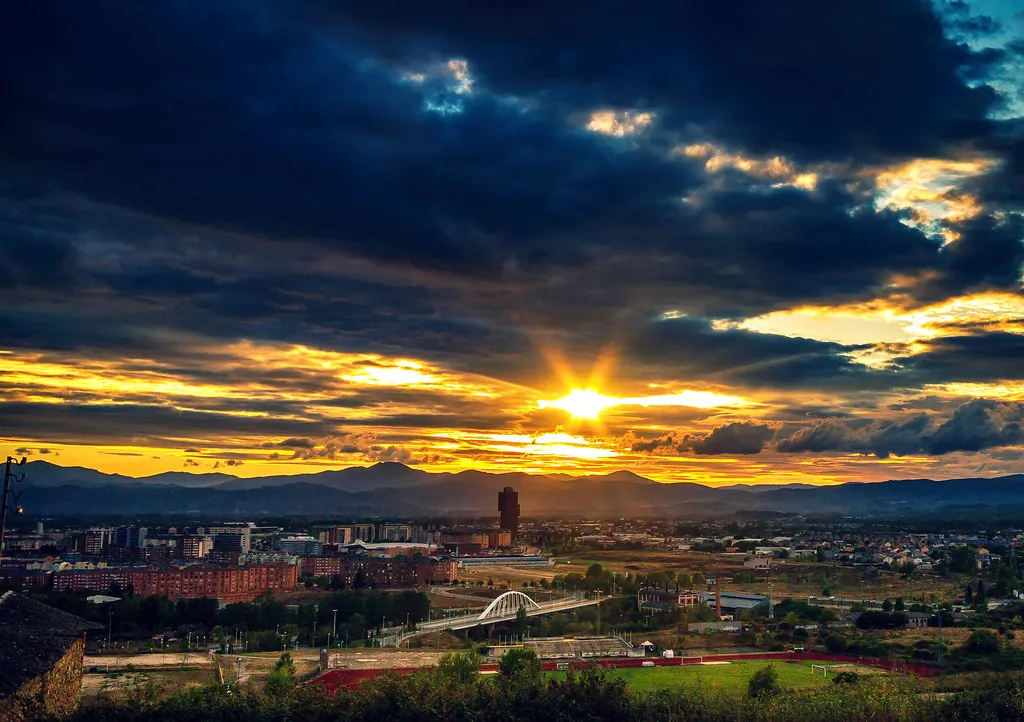
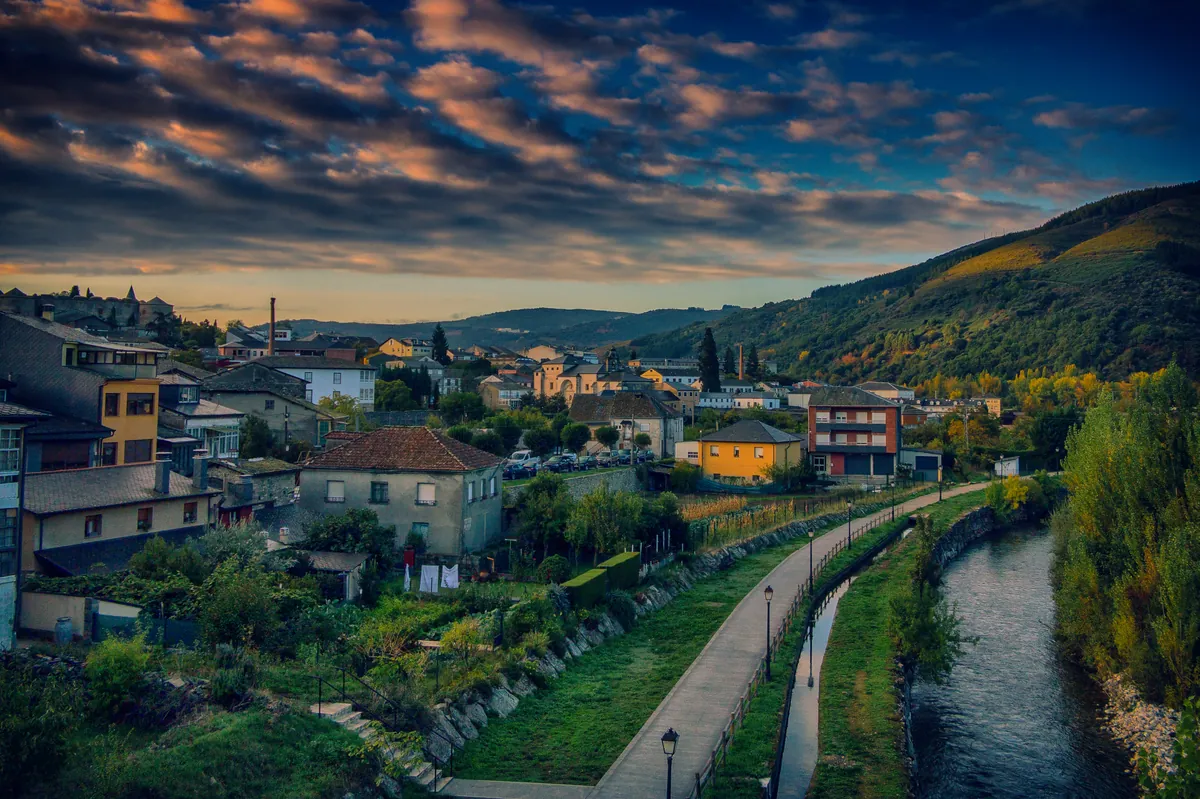
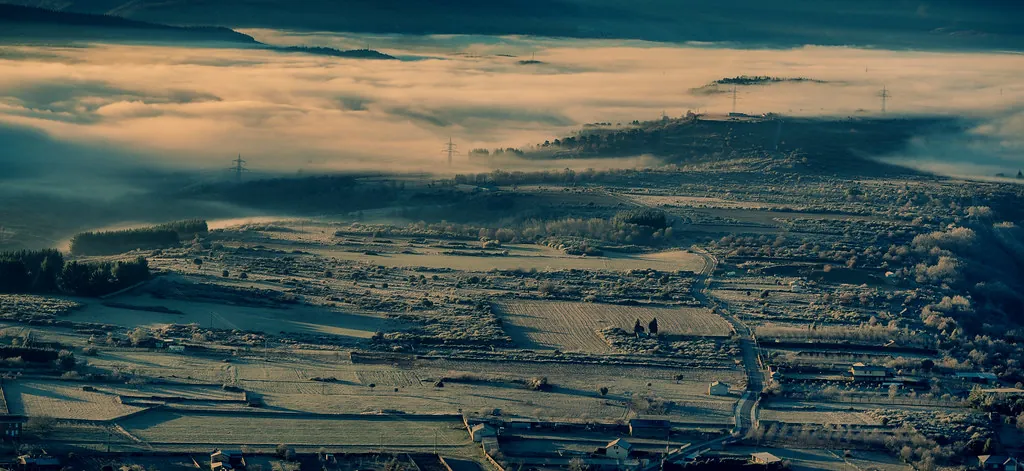
Bembibre.JPG
Alberto Arias · Public domain
Castilla y León · Cradle of Kingdoms

Bembibre

The 07:43 Media-Distancia from León squeals into Bembibre station with only three carriages. Everyone else gets off in Ponferrada for the Templar c...

8,041 inhabitants · INE 2025
644m Altitude

Why Visit

Sanctuary of Ecce Homo Botillo Festival

Best Time to Visit

year-round

Departure of the Santo (June) junio

Things to See & Do
in Bembibre

Heritage

  • Sanctuary of Ecce Homo
  • Church of San Pedro
  • Museum of the Upper Bierzo

Activities

  • Botillo Festival
  • Hiking trails

Festivals
& & Traditions

Fecha junio

Salida del Santo (junio)

Las fiestas locales son el momento perfecto para vivir la autenticidad de Bembibre.

Full Article
about Bembibre

Capital of El Bierzo Alto and a town with a mining tradition; known for its Festival del Botillo and restored old quarter.

Ocultar artículo Leer artículo completo

The 07:43 Media-Distancia from León squeals into Bembibre station with only three carriages. Everyone else gets off in Ponferrada for the Templar castle selfies; you’re the only one left on the platform. That’s the first clue that this isn’t a storybook village—it's a working town that happens to sit on the pilgrim trail and hasn’t bothered to repaint itself for tourists.

At 644 m above sea level, Bembibre sits where the Cantabrian mountains exhale onto the Bierzo plain. The air smells of diesel from the adjacent lorry depot, then—if the wind shifts—of woodsmoke and cured pork. The council has planted lavender down the middle of Avenida de la Constitución, but the plant’s real job is to soften the sight of 1970s apartment blocks thrown up when the coal mines still paid.

A Town That Never Needed to Be Pretty

The Romans dug gold nearby, the medieval hospital gave shelter to Jacobean footsloggers, yet the shape of modern Bembibre was cast in the early twentieth century when zinc, glass and coal turned a market village into an industrial hub. You can still read that timeline in brick: ornate stone mansions for the mine owners on Calle del Generalísimo, then functional workers’ flats round the corner, now patched with satellite dishes.

British visitors expecting half-timbered fantasies sometimes recoil. Give it an hour. Walk one block north of the main drag and you’ll find cobbled squares where grandmothers pull plastic chairs into the sun, and the stone arcades of Plaza Mayor echo with the clack of dominoes. The Iglesia de San Pedro squats at the highest point—its Romanesque feet buried under eighteenth-century baroque additions, the tower repaired so often it looks like geological strata. Inside, the smell is of candle wax and damp sandstone; someone is always sweeping between the pews, even mid-morning on a Tuesday.

What to Put in Your Mouth

Order botillo and you’ll receive a cannon shell of smoked pork ribs and tail, boiled until the meat threatens to jump back off the bone. A half portion—media ración—feeds two hungry walkers and costs around €12. It arrives with cachelos, floury potatoes that absorb the paprika-stained fat, plus local white beans that taste faintly of chestnut. The flavour is bigger than any British sausage, more forthright than black pudding; if you’re unsure, start with torta del Bierzo, a soft sheep-milk cheese that spreads like butter on warm bread.

White wine drinkers fare better here than in most of Castilla. The mencía reds are light enough for Pinot fans, but the godello whites carry a green-apple snap that pairs with trout from the nearby Sil River. Sunday lunch is the main event; kitchens close by 17:00. Arrive at 15:30 and you’ll be welcomed; arrive at 18:00 and the best you’ll get is crisps and a caña.

Walking It Off

The Camino de Invierno skirts town along the old railway, now converted into the Senda de la Valdora. Cyclists love it: 22 km of almost-level tarmac to Ponferrada through oak and sweet-chestnut woods, no traffic, gradients gentle enough for hybrid bikes. Serious walkers can climb south into the Montes Aquilanos; the PR-LE-9 way-marked loop starts by the municipal swimming pool, climbs 500 m through Scots pine, then drops back along the Boeza river in three and a half hours. In April the undergrowth flashes with wild peonies; in July the same trail is shadeless and 8°C hotter than the centre—start early and carry more water than you think sensible.

Winter brings snow above 1,000 m, but the town itself rarely sees more than a fleeting dusting. Access is straightforward all year; the only time the place locks up is during the Festas de San Roque in mid-August, when the population doubles and ear-splitting pyrotechnics echo off the apartment blocks.

Shopping Without Souvenirs

Thursday is market day. Stalls sprout around the ugly 1990s bandstand: heaps of pimentón de la Vera, bunches of coriander the size of bouquets, and chorizos tied with esparto grass that leave orange grease on your fingers. Prices are scrawled on scraps of cardboard—€3 for a kilo of cherries in season, €6 for a wedge of mountain honey. Most vendors lack card machines; the nearest ATM is inside the Cajamar branch two streets away, and it charges €1.75 for foreign debit cards.

If you’re self-catering, the Supermercado Mas y Mas on Calle Álvarez Vega stocks local mencía for €4.50 a bottle and won’t laugh when you ask for tonic water. British walkers have been known to sprint there for cheddar substitutes; they leave clutching queso curado and disappointment.

Where to Lay Your Head

Hotel Moneda occupies a nineteenth-century merchant’s house on Plaza Mayor. Rooms open onto internal galleries overlooking a glassed courtyard; expect antique wardrobes, slightly too-soft beds, and a breakfast that will fry you an egg on request. Doubles from €65, including garage parking—worth paying for because on-street spaces belong to residents who mark their territory with folding chairs.

Budget option: NRuta Ponferrada, five minutes by car (or a 25-min riverside hike). Soundproofed rooms face the N-VI rather than the mountains, yet British motoring forums praise the €45 rate, unlimited coffee machine and the fact you can check in at midnight after a delayed flight. Taxi from the station is €9; ring in advance because there’s no rank.

The Honest Verdict

Bembibre offers neither alpine drama nor beachside ease. It delivers something narrower: the Spain that functions when tourists aren’t watching. You’ll hear bagpipes at Easter (Celtic echoes run deep here) and see teenagers in Real Madrid shirts queueing for churros at 06:00 after all-night fiestas. Come if you’re curious about daily life beyond the costas, if you like your pork smoky and your wine under a fiver, and if you don’t mind sharing the pavement with delivery vans rather than Segway tours. Stay away if you need honey-stone villages, boutique linen shops or menus in Comic Sans English. The town won’t mind; it has shift workers to feed and a football pitch to water. And when the 07:44 train pulls out next morning, you’ll realise the place has given you exactly what it promised—nothing more, nothing less—which, these days, feels almost radical.

Key Facts

Region
Castilla y León
District
El Bierzo
INE Code
24014
Coast
No
Mountain
No
Season
year-round

Livability & Services

Key data for living or remote work

2024
ConnectivityFiber + 5G
TransportTrain station
HealthcareHealth center
EducationHigh school & elementary
Housing~6€/m² rent · Affordable
January Climate5.4°C avg
Sources: INE, CNMC, Ministry of Health, AEMET

Official Data

Institutional records and open data (when available).

  • CASCO ANTIGUO DE LA VILLA/IGLESIA PARROQUIAL
    bic Conjunto Histã“Rico ~0 km
  • CASTILLO DE BEMBIBRE
    bic Castillos ~0.2 km

Planning Your Visit?

Discover more villages in the El Bierzo.

View full region →

More villages in El Bierzo

Traveler Reviews