Full Article
about Cabañas Raras
Growing municipality near Ponferrada; blends industry with residential and farmland areas.
Ocultar artículo Leer artículo completo
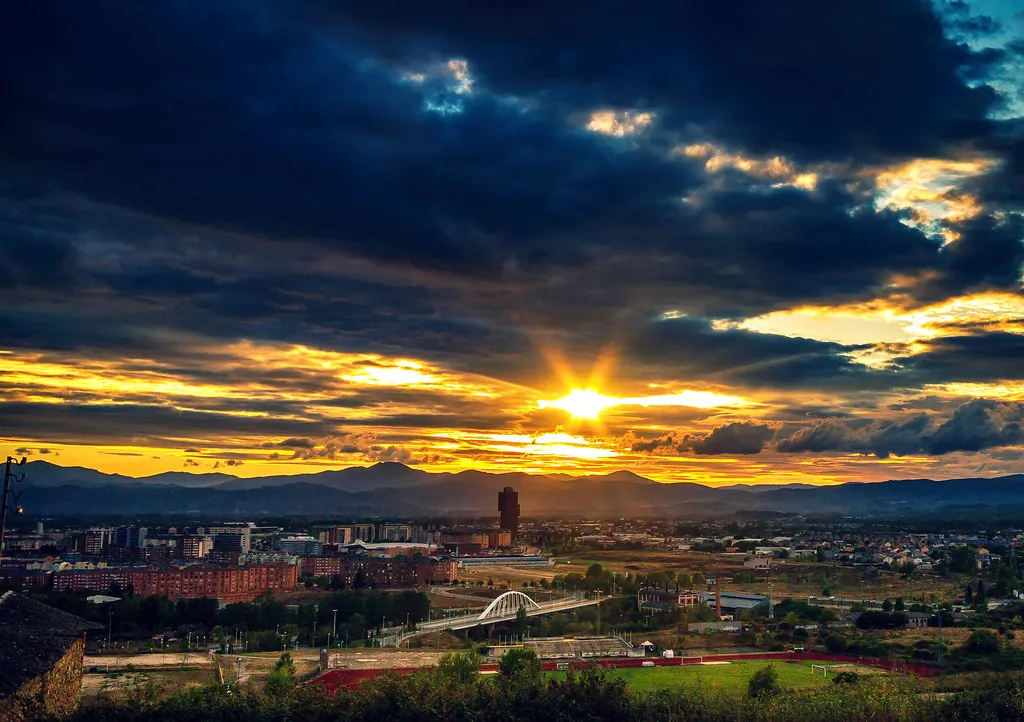
The karting track opens at ten o'clock sharp, its engine noise drifting across vineyards that have belonged to the same families since the 1800s. This is Cabanas Raras in a nutshell: a working agricultural village that happens to host northern Spain's best outdoor circuit, where teenagers in helmets share the road with farmers on John Deere tractors, and nobody finds this remotely unusual.
Life at 550 Metres
Cabanas Raras sits 550 metres above sea level on the last gentle fold of the Bierzo hills, twenty minutes west of Ponferrada. The altitude means mornings stay cool even in July, when temperatures climb to 36°C by mid-afternoon. Locals schedule everything around this rhythm—market gardening at dawn, karting sessions before lunch, siesta through the heat, then back to the fields as shadows lengthen.
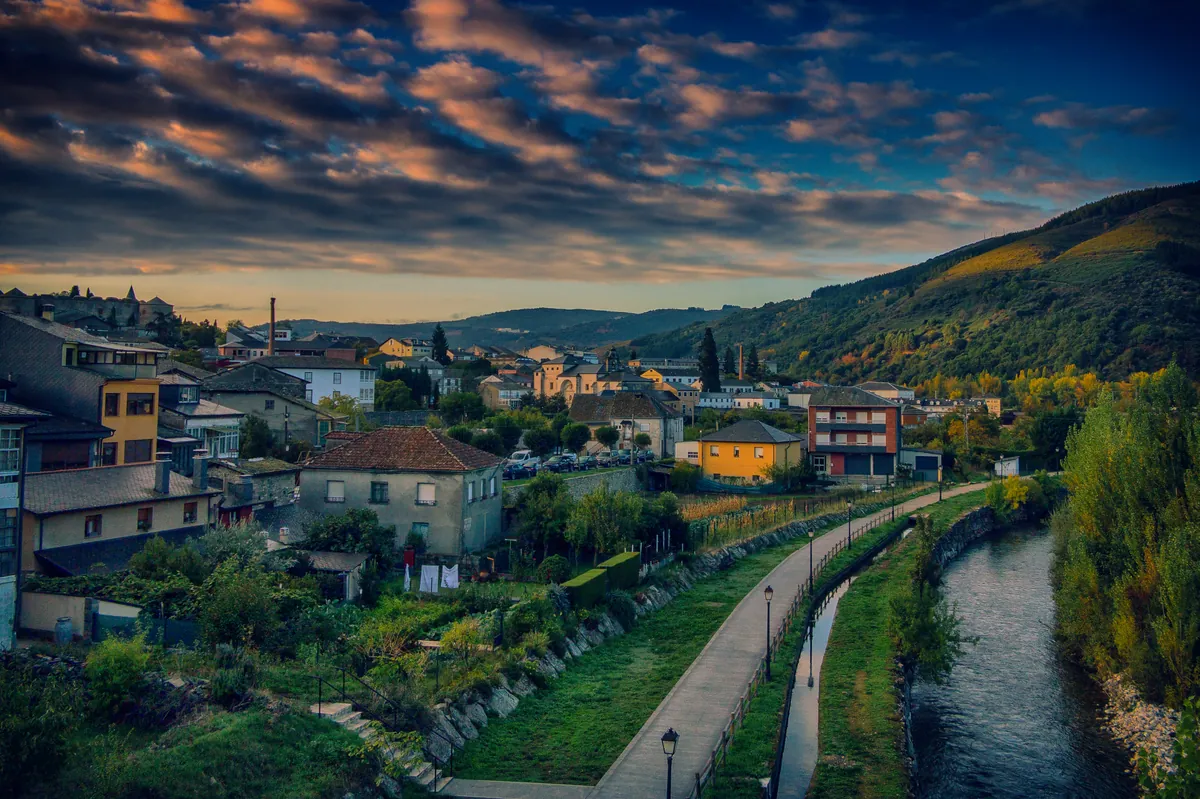
The name translates roughly to "scattered cabins", though today you'll find solid stone houses with wooden balconies and the occasional raised granary on stilts. These hórreos once kept rats from the grain; now they make photogenic garden sheds. The village spreads along a ridge rather than clustering round a plaza, which gives it a strung-out feel—more English commuter belt than Spanish hill town, except the commuters here drive tractors.
What Actually Happens Here
Morning starts with coffee at the Cocodrilo Negro Café, the only restaurant British visitors ever mention online. They come for the karting track four kilometres south, discover toasted sandwiches the size of house bricks, and leave reviews about chips that "actually taste like potatoes". The café doubles as the village's evening hub; by nine o'clock tables spill onto the pavement, grandparents play cards, and teenagers argue about MotoGP results.
The kart circuit itself draws families from Bilbao and Madrid at weekends. Arrive early—queues build by eleven, especially during Spanish school holidays. A ten-minute session costs €18, helmet and overalls included. Spectators get vineyard views and proper espresso from the trackside van; nobody minds if you just sit with a book and watch the time-trial boards.
Beyond that, Cabanas Raras runs on agriculture. Smallholdings grow peppers and tomatoes for the Ponferrada market; vines produce Mencía grapes for the local cooperative. You'll hear engines rather than cockerels—modern farming means mini-tractors humming between vegetable rows, their drivers stopping to chat across the cabbages.
Walking Without Waymarks
This isn't a place for signed hiking loops. Instead you get agricultural tracks that peter out into vineyards, stone walls warm from the sun, and views north towards the higher sierra when the sky clears. Head east on the Camino Real and you'll reach the neighbouring hamlet of Carracedelo in forty minutes, past walnut trees and irrigation channels where women still wash vegetables in the current.
Bring an offline map app—paths split every kilometre, signposted only with fading paint on gateposts. The reward is complete quiet apart from the occasional dog barking; buzzards circle overhead, and every turning seems to frame another stone barn against chestnut woods. Summer walkers should start early; shade is scarce and water fountains appear roughly every village, which means every five kilometres.
Cyclists fare better. The valley lanes are smooth, traffic minimal, and gradients kind. Rent bikes in Ponferrada (€25 per day) and follow the quiet road through Cacabelos to Cabanas Raras, stopping at village bars for cortado coffee that costs €1.20 if you stand at the counter.
Eating (and Drinking) Like You're Local
Food is straightforward country cooking rather than gastro theatre. The Cocodrilo serves grilled pork or chicken with chips—no children's menu, but kitchens happily split portions. Regional specialities arrive heavier: botillo, a smoked rib and pork-shoulder stew designed for grape-pickers who'd spent eight hours pruning in frost. Order one between two; it arrives in a clay dish with cachelos (boiled potatoes) and will see you through to bedtime.
Wine comes from the Bierzo cooperative ten kilometres south. White Godello tastes like Sauvignon Blanc with the edges smoothed off; red Mencía works chilled in summer, light enough for lunch yet sturdy enough for the botillo. A bottle in the café costs €9, about the same as two coffees in central London.
The village shop opens 9 am to 1 pm only. Think corner cupboard rather than Co-op: tinned tuna, UHT milk, local cheese wrapped in clingfilm. Serious provisioning happens in Ponferrada—stock up before you arrive, especially if self-catering.
When to Come, How to Leave
Spring and autumn hit the sweet spot. April brings almond blossom and daytime highs of 22°C; October means grape harvest, purple hands, and the smell of fermentation drifting from the cooperative. August is furnace-hot and half the population decamps to the coast; January sees frost on the vines but bright blue skies—perfect for karting if you pack thermals.
Public transport exists in theory. One morning bus reaches Ponferrada at 8:43; the last return departs at 3 pm. Miss it and you're looking at a €35 taxi. Hire cars give flexibility—Leon Airport is 90 minutes north, Valladolid two hours south. Fuel up in Ponferrada; Cabanas Raras has no petrol station, and the nearest 24-hour pump is 18 kilometres away.
Evenings wind down early. By midnight the café closes, tractors are locked in barns, and village dogs patrol the lanes with proprietorial confidence. Stay overnight at the track-side hotel (€65 for a double, breakfast €6 extra) or book one of three village houses on Airbnb—expect tiled floors, wood-burning stoves, and neighbours who'll offer you tomatoes from their garden.
The Honest Verdict
Cabanas Raras won't change your life. It offers no cathedrals, no Michelin stars, no Instagram hotspots—just the rhythm of rural Spain played out against engine oil and vineyard dust. Come for the karting, stay for the coffee, linger if you like places where tractors have right of way and the barman remembers your order on the second morning. Leave the phrasebook app downloaded; English is scarce, but pointing at plates and smiling works everywhere. And if you find yourself discussing tomato varieties with an 80-year-old in a flat cap, congratulations—you've arrived somewhere most travellers never knew existed.