Full Article
about Camponaraya
A key stop on the Camino de Santiago near Ponferrada; it blends food industry with wine-growing tradition.
Hide article Read full article
The scent of honey is the first thing you notice, a dense sweetness that hangs in the air near the fairground. It is October, and the beekeepers are back in Camponaraya. Children watch, mesmerized, as the golden syrup coils slowly into jars. This town of four thousand in El Bierzo has a rhythm set by harvests, and for a few weekends each autumn, that rhythm is sticky and slow.
Life here moves with the fields. You see it in the way people pause their cars to talk in the middle of a lane, in the baskets of peppers left on doorsteps in September. The connection to the land is not a slogan; it’s in the dirt under fingernails and the seasonal focus of conversation.
A kitchen without pretence
The food in Camponaraya is straightforward. You will find botillo del Bierzo, the region’s emblematic smoked sausage, served plainly with boiled potatoes and a shake of paprika. The real experience is in its preparation: the low simmer for hours, the kitchen filling with a deep, smoky fragrance that seeps into your clothes.
This is not a place for culinary theatre. Meals are tied to what is nearby. In spring, some households still gather wild asparagus from the hillsides. When the fishing season opens on the rivers, you might find someone grilling trout on a simple grate behind their house. The pastry for an empanada berciana is often made from yesterday’s bread crumbs, a practice of economy that has become tradition.
Eating here requires adjusting your pace. Lunch is not a quick stop.
The camino as a backdrop
The Camino Francés cuts through the municipality for about seven kilometres between Fuentesnuevas and Cacabelos. The path runs alongside vineyards, rows of Mencía grapes that darken to a bruised purple by late summer. Pilgrims walk with a focused, weary silence, their backpacks creating a temporary topography against old stone walls.
This passage is centuries old, yet it feels integrated. Life does not stop for it. Tractors rumble along parallel tracks, and locals go about their business while walkers file past. From certain points along the route, you can see the distant, jagged outline of Cornatel castle perched in the sierra to the north. It is always there on clear days, a silent witness to this valley.
The constant flow of pilgrims means you can hear a dozen languages in an afternoon, but Camponaraya itself never feels like a tourist stage. It simply lives beside the trail.
The sound of celebration
Local festivals are visceral affairs. In early August, the romería de la Cuesta sees families trekking up a dusty path to the hermitage. They carry cloth bags laden with tortilla, chorizo, and wine. By mid-morning, the hillside echoes with laughter and the clang of cowbells, and the smell of crushed thyme and earth rises with the heat.
The larger fiestas de la Soledad in September transform the town’s soundscape. The reedy melody of the dulzaina competes with revving car engines as people return for the party. Inflatable mattresses fill living rooms, and conversations spill from bars into the street until dawn. If you need quiet to sleep, this is not your week.
In the smaller outlying villages like Magaz de Abajo, celebrations are quieter: a few neighbours in a square, sharing food from plastic containers. These gatherings are for continuity, not spectacle.
When to walk its streets
Spring is perhaps the most revealing season. The vines show their first green buds, farmers are out turning soil, and the air smells of damp clay and blossom. The countryside feels purposeful without being crowded.
Come autumn, the honey fair returns. It is a working event: beekeepers talk about varroa mites and late frosts with more passion than any tourist brochure could muster. You can watch frames being uncapped, the wax scraped away to reveal pockets of liquid gold.
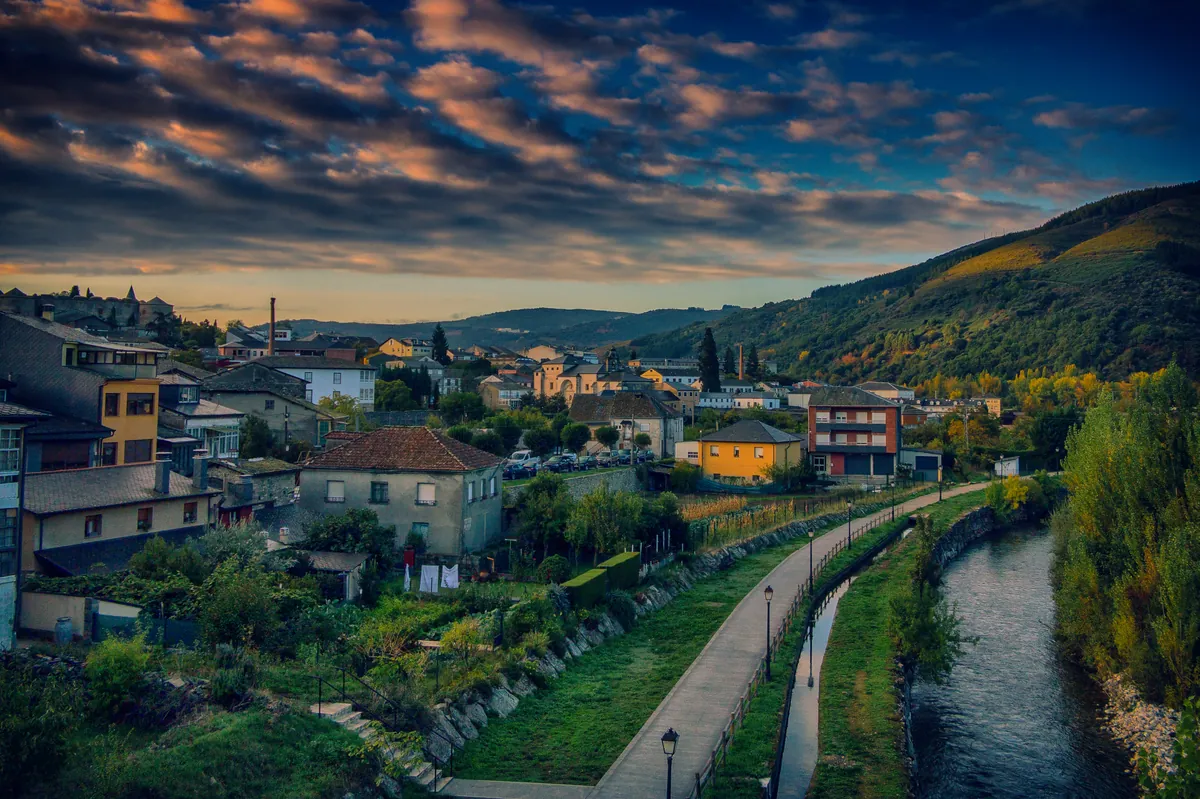
Camponaraya is a fifteen-minute drive from Ponferrada via the N-120. Traffic increases in August and on busy Camino weekends. For a quieter visit, aim for a weekday in May or late September. Park your car and walk. Notice how the light falls differently on the slate roofs in the afternoon, how the pace slows after lunch.
This is a town built around cycles: of grapes, of pilgrims, of bees returning to their hives. Its appeal is in watching those cycles turn.