Full Article
about Carracedelo
Known for housing the Monasterio de Santa María de Carracedo; major producer of fruit and peppers.
Hide article Read full article
Carracedelo y su monasterio
La geografía de El Bierzo bajo, donde los ríos Sil y Cúa abren un valle ancho, explica el emplazamiento de Carracedelo. Es un terreno fértil, con agua cercana. A finales del siglo X, se fundó aquí el monasterio de Santa María de Carracedo. El pueblo creció después, organizándose en torno a él.
El conjunto monástico no es una reliquia aislada. Sigue marcando el ritmo del lugar. Las calles, las huertas y la vida diaria se desarrollan a su sombra, una relación que aún se lee con claridad en el paisaje.
Santa María de Carracedo: una lectura en piedra
La iglesia del monasterio funciona como una lección condensada de historia del arte. Su portada románica es del siglo XII y conserva el tímpano original, aunque los capiteles esculpidos están muy erosionados. El tiempo ha suavizado los detalles, pero la estructura habla aún de sus orígenes medievales.
Dentro, la luz entra baja por los ventanales del crucero. Ilumina un retablo mayor donde conviven piezas de distintos periodos: elementos del gótico tardío junto a añadidos renacentistas y reformas barrocas posteriores. El resultado no es uniforme, pero refleja siglos de cambios, no un momento único de diseño.
El monasterio pasó por épocas difíciles. Las guerras del XIX y la desamortización dejaron el complejo en un estado frágil. Algunas dependencias desaparecieron o se reutilizaron. La iglesia, sin embargo, siguió funcionando como parroquia. Esa continuidad explica que se conserve en un estado relativamente bueno.
La mayor parte del claustro actual data de reformas de la Edad Moderna. Es un espacio sobrio y tranquilo, organizado alrededor de un patio central sencillo. Los corredores que lo rodean dan una idea de cómo se estructuraba la vida monástica. Desde la galería superior hay vistas sobre el paisaje agrario del Bierzo. Desde allí, la elección del lugar resulta obvia: huertas cerca, agua al alcance y el Camino de Santiago no lejos.
Huerta, castaña y memoria del tabaco
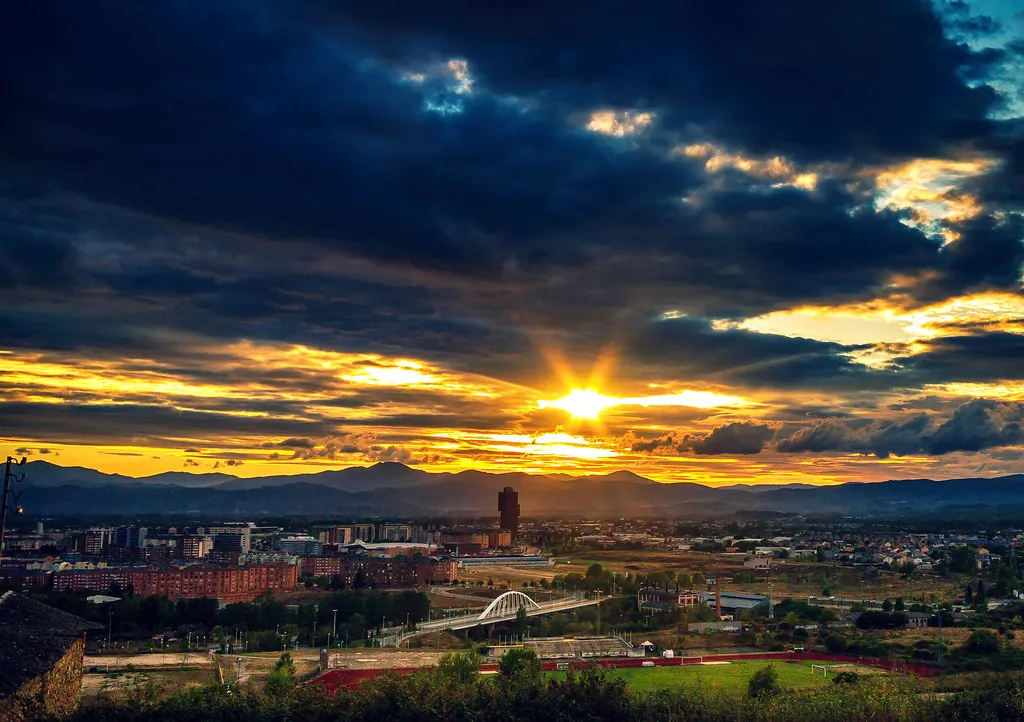
La economía de Carracedelo ha estado siempre ligada a la tierra. Las vegas del Sil y el Cúa siguen siendo productivas. Buena parte del municipio se dedica a huertas y frutales.
Uno de los cultivos conocidos de la zona es el pimiento del Bierzo. Carracedelo forma parte del territorio donde tradicionalmente se han cultivado estos pimientos. En temporada, es habitual ver sacos en los mercados o en puestos temporales junto a la carretera.
El otoño pone en primer plano la castaña, un producto básico en toda la comarca. Los castañares de los alrededores han proporcionado durante siglos alimento, madera y un ingreso modesto para muchas familias. Siguen formando parte del paisaje rural.
Con el frío llega el botillo a las mesas locales. Este plato, característico de El Bierzo, tiene su origen en la matanza anual y la necesidad de conservar la carne. Sigue asociado a las comidas invernales y a la tradición.
Un cultivo que marcó el paisaje durante décadas fue el tabaco. Se cultivó aquí ampliamente hasta finales del siglo XX. Ya no está en los campos, pero aún pueden verse las antiguas secadoras de ladrillo rojo dispersas por las afueras del pueblo. Son un recordatorio silencioso de un pasado agrario más reciente.
Cerca del Camino, pero sin su ritmo
Carracedelo está muy cerca del Camino Francés, que pasa por Camponaraya y Cacabelos. Algunos peregrinos se desvían brevemente para visitar el monasterio antes de continuar hacia el oeste.
El pueblo en sí, sin embargo, no se ha transformado en una parada diseñada específicamente para el Camino. Su ritmo sigue siendo relativamente tranquilo. La vida diaria no está dominada por los caminantes.
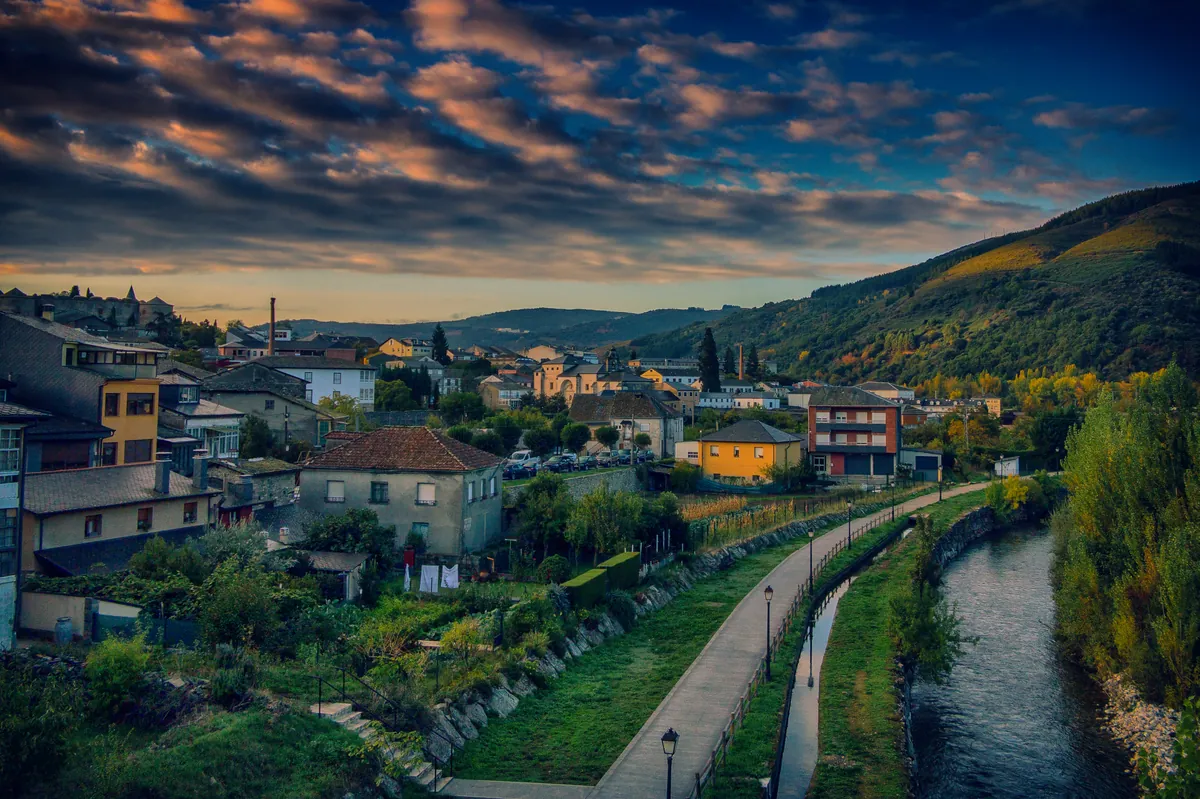
Desde Carracedelo se puede explorar el paisaje agrario del Bierzo bajo por caminos locales que unen aldeas vecinas, viñedos y pequeñas arboledas junto al río. Estas rutas no están siempre señalizadas, pero recorrerlas da contexto para entender cómo se organiza el territorio: huertas distribuidas cerca del agua, pueblos a distancias prácticas y el monasterio como punto de anclaje.
Inscripciones romanas y pendones
A la entrada del núcleo principal está la iglesia de San Esteban. Construida con materiales reaprovechados, en sus muros hay piezas más antiguas. En la fachada norte se empotraron dos lápidas romanas como sillares. Sus inscripciones son ahora difíciles de leer por el desgaste, pero apuntan a una historia anterior. Por aquí pasaba una de las calzadas que unían Astorga con Braga, y estas piedras son un vínculo tangible con esa ruta.
Dentro del mismo municipio, en Villamartín de la Abadía, se conserva también un pequeño tramo de calzada romana. No se ha convertido en un museo al aire libre ni en un parque arqueológico formal. Es un fragmento visible en el paisaje, el tipo de resto que uno puede encontrarse casi por casualidad.
En el ayuntamiento se guardan los viejos pendones procesionales. Se sacan para celebraciones concretas. Forman parte de las tradiciones festivas del pueblo y conectan los actos actuales con prácticas comunales muy antiguas.
Cómo moverse y cuándo ir
Carracedelo está a pocos kilómetros de Ponferrada, en El Bierzo bajo, y se llega fácilmente por carretera. El monasterio se sitúa en las afueras del núcleo urbano y es claramente visible.
El pueblo puede recorrerse en poco tiempo. Una visita habitual empieza en el monasterio y continúa a pie por las calles del núcleo principal o se dirige hacia alguna de las otras aldeas del municipio, como Villamartín de la Abadía.
La primavera y el otoño suelen ser las estaciones más agradables para moverse por la zona. El paisaje agrario está activo y el clima del Bierzo es más suave que el de la meseta cercana. El verano trae más actividad, pero el ritmo de los campos sigue definiendo el carácter de Carracedelo durante todo el año.