Full Article
about Carucedo
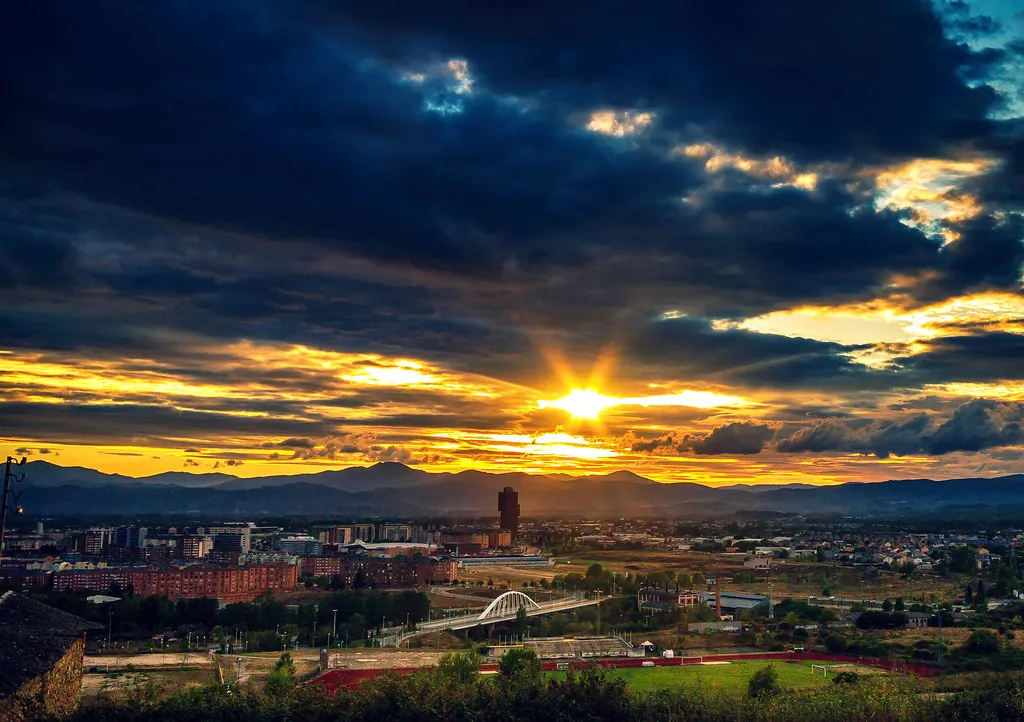
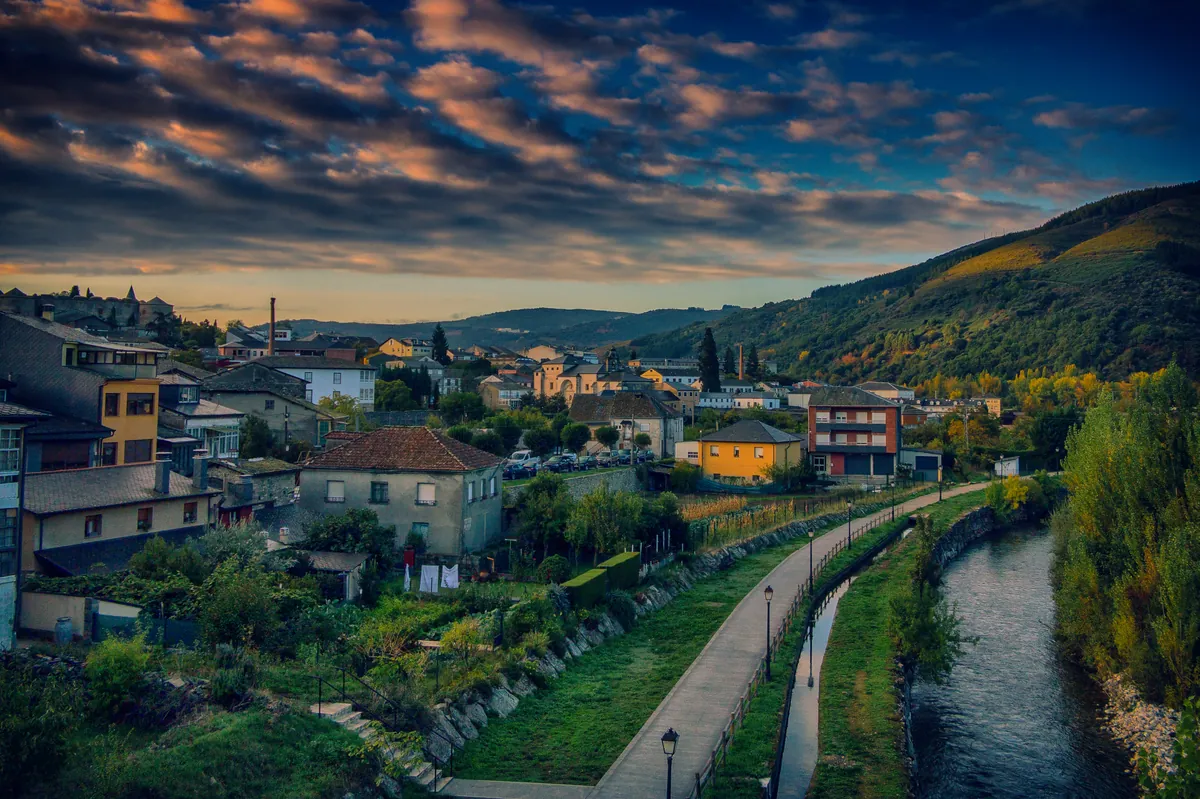
Gateway to Las Médulas; home to the Carucedo lake, created by Roman mining.
Hide article Read full article
Carucedo, el pueblo que mira a Las Médulas
Carucedo es como el amigo tranquilo del compañero de trabajo más famoso. Todo el mundo viene a la comarca por Las Médulas, se hace la foto de rigor en el mirador, y se va. Pero si te quedas un rato y miras hacia abajo, ahí está Carucedo, con su lago y sus casas bajas, sin hacer demasiado ruido. Es el lugar donde el paisaje post-minero se relaja y se convierte en algo cotidiano.
Con menos de quinientos habitantes, esto no es un escenario preparado. Es un pueblo funcional de El Bierzo leonés, donde la huella romana es parte del mobiliario. Funciona mejor como campamento base que como destino en sí mismo, y esa es precisamente su virtud.
La perspectiva lateral de Las Médulas
Desde Carucedo no ves la postal clásica de los pináculos rojos. Lo que ves es la periferia del espectáculo. Te sitúas en los márgenes de esa cicatriz enorme que los romanos dejaron hace dos mil años. Se aprecia mejor la dimensión real del destrozo: cómo vaciaron montañas enteras y cómo ese terreno revuelto se extendió mucho más allá del área protegida.
Caminar por los senderos cercanos al pueblo, con ese suelo rojizo que mancha las botas y esos castaños viejos, te da una versión más doméstica del sitio UNESCO. Menos épica, quizás, pero más integrada.
El Lago Carucedo: la consecuencia acuática
La teoría local dice que el lago nació por los derrumbes de la minería romana. Sea como fuere, ahora es una lámina de agua quieta rodeada de carrizos. En verano, alguna zona se llena de gente dando un chapuzón, pero basta alejarse un poco para encontrar solo el sonido de las fochas comunes.
Es un buen lugar para pajarear con calma. Garzas, ánades reales y algún martín pescador son vistos habituales si madrugas un poco. El contraste visual funciona: el verde intenso del humedal contra el rojo lejano de Las Médulas tiene algo hipnótico al atardecer.
Andar sin pretensiones: la Senda del Lago
Lo mejor que puedes hacer aquí es ponerte las zapatillas y recorrer la Senda del Lago. No es una ruta de montaña; es ese paseo largo que haces cuando no tienes prisa pero necesitas estirar las piernas. Da la vuelta a buena parte del humedal, mezclando tramos entre árboles con otros a cielo abierto donde se ve toda la lámina de agua.
Si te fijas en el terreno circundante, aún puedes encontrar restos de los canales romanos. No están señalizados con carteles brillantes; son solo surcos y desniveles en la tierra que hablan de una ingeniería hidráulica bestial para mover toneladas de fango en busca de oro.
Un apunte anterior: el Castro de Borrenes
A pocos kilómetros está el Castro de Borrenes. Es uno de esos asentamientos prerromanos típicos del noroeste peninsular. No esperes un recinto arqueológico impoluto: esto son básicamente unos montículos y trazas de murallas en lo alto de un cerro.
Su gracia está en eso mismo, en lo discreto. Te obliga a pararte y a pensar en la línea temporal: primero estas comunidades castreñas, luego llegaron los romanos con sus explotaciones masivas, y al final quedó este paisaje híbrido. Le da profundidad histórica al paseo.
Comer como en El Bierzo (porque lo estás)
Aquí se come lo que se come en toda la comarca: platos contundentes para clima duro. El botillo (cuando es temporada) es el rey, una bomba embutida que suelen servir con patata o berza. La cecina local también suele estar presente en las tablas de embutidos.
Para beber, la cosa está clara: vino tinto de mencía del Bierzo. Es la pareja natural para esta cocina terrosa.
Base operativa silenciosa
Carucedo no te va a sorprender con un casco histórico espectacular. Lo que ofrece es tranquilidad y una ubicación práctica para ver Las Médulas sin agobios. La fórmula sensata es usarlo como punto de partida: pasea por el lago por la mañana, acércate después a alguna ruta interior de Las Médulas y vuelve al anochecer.
Al final, todo encaja. La mina romana fue el gran evento, pero Carucedo muestra las consecuencias geológicas y vitales que quedaron después. El paisaje no termina en los límites del Patrimonio Mundial; sigue vivo aquí, más calmado y domesticado