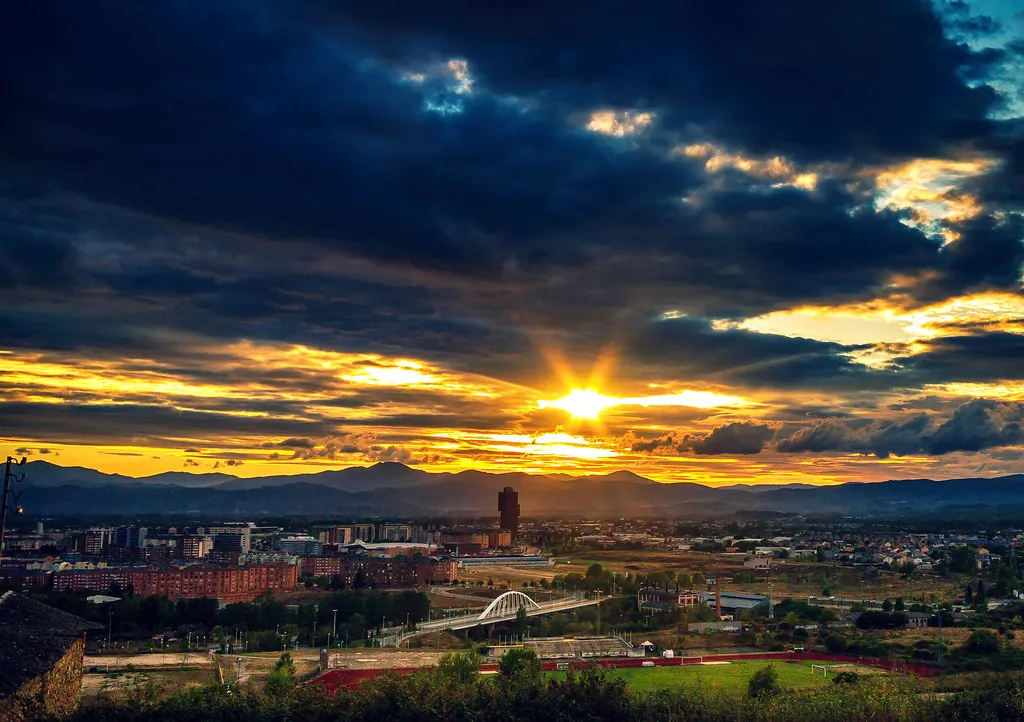
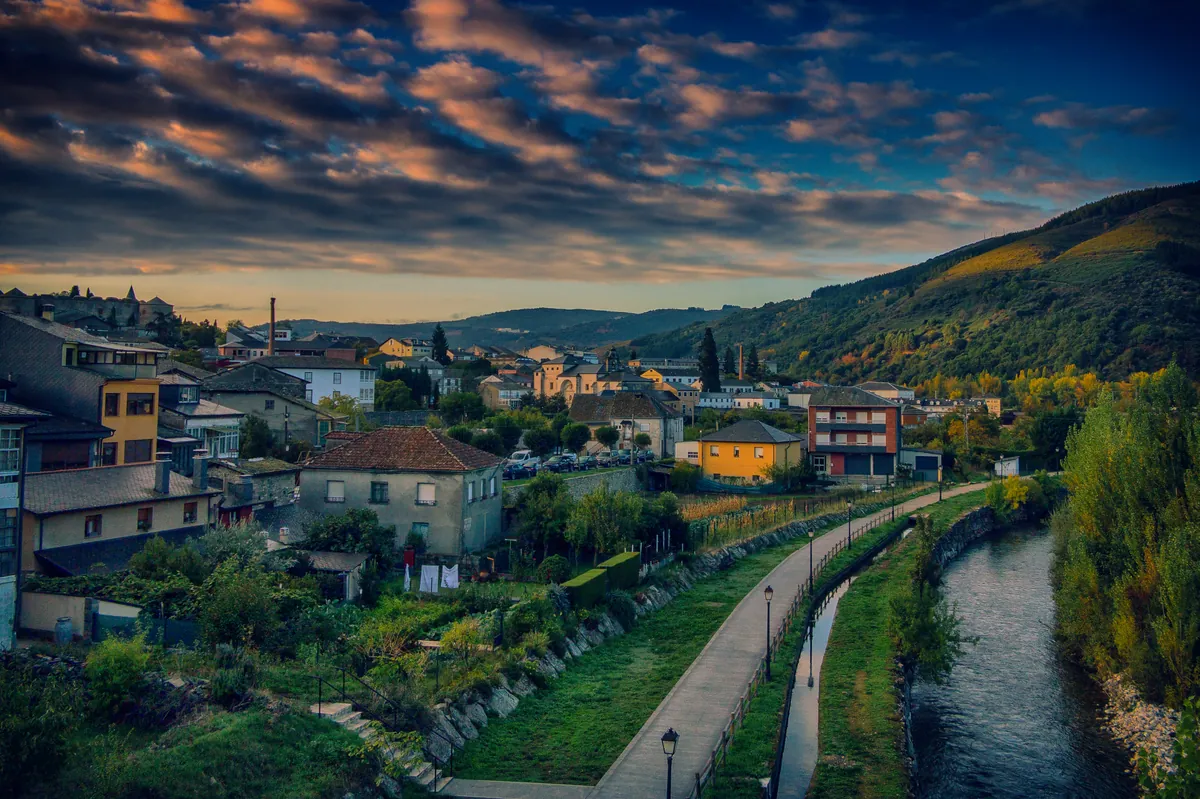
Corullón - Flickr
santiagolopezpastor · Flickr 6
Castilla y León · Cradle of Kingdoms

Corullón

The road from Villafranca del Bierzo climbs 523 m in fifteen minutes. Stone terraces tighten around the hairpins like a vice, each holding a few ro...

789 inhabitants · INE 2025
523m Altitude

Why Visit

Church of San Miguel Cherry Blossom Route

Best Time to Visit

spring

San Miguel (May) mayo

Things to See & Do
in Corullón

Heritage

  • Church of San Miguel
  • Church of San Esteban

Activities

  • Cherry Blossom Route
  • Wine tourism

Festivals
& & Traditions

Fecha mayo

San Miguel (mayo)

Las fiestas locales son el momento perfecto para vivir la autenticidad de Corullón.

Full Article
about Corullón

Historic town in western Bierzo; known for its Romanesque churches and its cherries and wine.

Ocultar artículo Leer artículo completo

A Village That Runs on Mencía and Mountain Time

The road from Villafranca del Bierzo climbs 523 m in fifteen minutes. Stone terraces tighten around the hairpins like a vice, each holding a few rows of the local Mencía grape. At the top sits Corullón, population 789, a place that smells of fermenting juice in September and woodsmoke the rest of the year. There is no petrol station, no cashpoint, no souvenir shop—just two Romanesque churches, three family-run bodegas and a hotel that used to be somebody’s manor house.

Most foreigners arrive by accident: they are walking the Camino de Santiago, take the scenic detour, and find themselves tasting wine in a slate-floored cellar that was already old when Wellington was fighting in Spain. The ones who come on purpose tend to follow Spanish wine blogs and know that Corullón is the source of some of the country’s most sought-after reds, bottles that fetch £90 in Borough Market but cost €28 at the cellar door.

Stone, Slate and the Eleventh-Century Portal

Corullón’s main street is barely two cars wide. Park at the top near the stone cross and walk; the tarmac soon gives way to granite setts polished by centuries of boots. The church of San Esteban appears without warning—an unadorned Romanesque block whose doorway is carved with zig-zags and a tiny bishop holding a model of the building. The key-holder, a woman in an apron who lives opposite, will open up on Sunday mornings if you slip a euro into the donation box. Inside, the air is cool and smells of wax and old timber; the only light filters through a rose window the diameter of a bicycle wheel.

Three minutes uphill, the church of San Miguel has a freestanding bell-tower that leans slightly, like a drunk sentry. Between the two churches you pass stone houses with wooden galleries called corredores—open-air corridors where families once slept in summer. Look up and you can see the slate roofs are held down with rocks; winter storms here arrive straight from Galicia and have been known to peel back inadequately weighted tiles like sardine-tin lids.

Vineyards That Cost Less Than a London Parking Space

The surrounding terraces are so steep that tractors are tethered by steel cables while they plough. Every vine is hand-pruned, hand-picked, and carried out in plastic tubs strapped to the backs of small donkeys. The local co-op sells young Mencía for €4.50 a bottle; the premium label, aged twelve months in French oak, is still only €16. Tastings take place in a barn whose floor is stamped earth; the winemaker pours with one hand and checks the football scores on an ancient transistor radio with the other.

Serious oenophiles book ahead at Descendientes de J. Palacios, the estate that put Corullón on the international map. Visits are limited to eight people, start at 11 a.m., finish with a vertical tasting of three vintages and a plate of local chorizo. Email at least a week in advance; they reply in English but prefer to conduct the tasting in Spanish unless you ask otherwise. The €25 fee is refunded if you buy two bottles—easy enough once you have tasted the 2018.

Walking Off the Wine

Three way-marked paths leave the village. The shortest is a forty-minute loop through the vineyards that delivers you to a stone hut once used for overnight stays during harvest; bring a jacket even in July—the altitude means night temperatures can drop to 10 °C. A longer trail descends an old mule track to Villafranca del Bierzo: 7 km, mostly downhill, passing an abandoned hermitage and a spring whose water tastes faintly of iron. Allow two hours and arrange for someone to drive you back, or face a sweaty uphill return.

If you are fit and carrying poles, the PR-B 12 continues eastwards to the even smaller hamlet of Dragonte, then climbs into the Ancares range. Parts are signed as alternate Camino de Santiago; you will meet the occasional German pilgrim looking pleased to have escaped the crowds. Take food—once you leave Corullón the next bar is two hours away and may be shut.

What to Eat When You Climb Back Up

Lunch options are limited to two bars and the hotel restaurant. Both bars serve the same menu: botillo, a pork parcel stuffed with ribs and tail that weighs in at 600 g, plus lacón con grelos (boiled ham with turnip tops). Order one portion between two unless you are walking the Camino with a 15 kg pack. Vegetarians get pimientos asados (roasted red peppers) and a tomato salad; vegans should stock up in Villafranca.

The hotel dining room offers a lighter three-course menú del día for €18 that includes a glass of local Mencía. Pudding is usually bica, a dense almond cake that keeps for days and travels well in a rucksack. If you are self-catering, the tiny ultramarinos sells tinned tuna, rubbery local cheese and bread that is baked in Villafranca and driven up the mountain each morning. It sells out by eleven.

Where to Sleep (and Why You Should)

There is only one hotel, Villa Mencia, twelve rooms carved out of an 1840s manor. Rooms have beams, terracotta floors and modern bathrooms squeezed into what were once cupboards. Doubles start at €70 including garage space—useful because street parking is first-come-first-served and turning circles are tight. August books up with Spanish couples touring wine country; May and October are quieter and the vines are either in flower or flame-red.

Budget walkers sometimes ask to sleep on the bodega floor after a long tasting. The answer is always no. Nearest budget beds are back down in Villafranca, but the mountain road is unlit and fog drifts in after 9 p.m.; driving it after a wine-heavy dinner is reckless. Stay in the village, open the window, and listen to the silence broken only by the clink of someone finishing the washing-up in the house opposite.

Getting There Without a Donkey

Fly to Madrid or Santiago de Compostela, hire a car, and take the A-6 to Villafranca del Bierzo. The turn-off is signed; from there the LP-905 snakes uphill for 8 km. Petrol stations are scarce once you leave the motorway—fill up in Ponferrada. There is no bus; a taxi from Villafranca costs €25 each way and drivers prefer phone bookings. If you are walking the Camino, leave the main path at Cacabelos, follow the vineyard track marked “Corullón 5 km”, and climb 350 m in the heat of the day—carry two litres of water.

When to Go and When to Stay Away

Late April brings almond blossom and daytime highs of 18 °C; the village is half-empty and hotel rates drop to €60. September is harvest: tractors block the lanes, the air smells of grape must, and every household needs extra hands. Visitors are welcome to help pick for an hour but expect to be paid in wine, not cash. Mid-August fiestas mean brass bands until 3 a.m.; if you want sleep, book elsewhere or join in. January and February can see snow; the road is gritted but not always first thing in the morning. Chains are rarely needed, yet a frost-covered vineyard at sunrise is worth the early start—just remember to scrape the windscreen with yesterday’s El Bierzo Digital.

Corullón will not change your life. It will, however, serve you a glass of mountain wine in an eleventh-century doorway while the owner explains why slate soil tastes of pencil lead. That is probably enough.

Key Facts

Region
Castilla y León
District
El Bierzo
INE Code
24059
Coast
No
Mountain
No
Season
spring

Livability & Services

Key data for living or remote work

2024
ConnectivityFiber + 5G
TransportTrain nearby
HealthcareHospital 14 km away
EducationHigh school & elementary
Housing~5€/m² rent · Affordable
CoastBeach 1 km away
Sources: INE, CNMC, Ministry of Health, AEMET

Official Data

Institutional records and open data (when available).

  • IGLESIA DE SAN MIGUEL
    bic Monumento ~0.4 km
  • IGLESIA DE SAN ESTEBAN
    bic Monumento ~0.3 km
  • CASTILLO DEL MARQUES DE VILLAFRANCA
    bic Castillos ~0.4 km

Planning Your Visit?

Discover more villages in the El Bierzo.

View full region →

More villages in El Bierzo

Traveler Reviews