Full Article
about Folgoso de la Ribera
Set in the Boeza river valley; known for its handcrafted Nativity scene and the Romero Foundation.
Hide article Read full article
A village that reveals itself slowly
Some places barely register on a map until you spend an afternoon there. Tourism in Folgoso de la Ribera works like that. Anyone arriving in search of famous landmarks or a busy historic centre lined with shops may feel a bit lost. Come with a bit of curiosity about how a valley in El Bierzo Alto really functions, without staging or polish, and it begins to make sense.
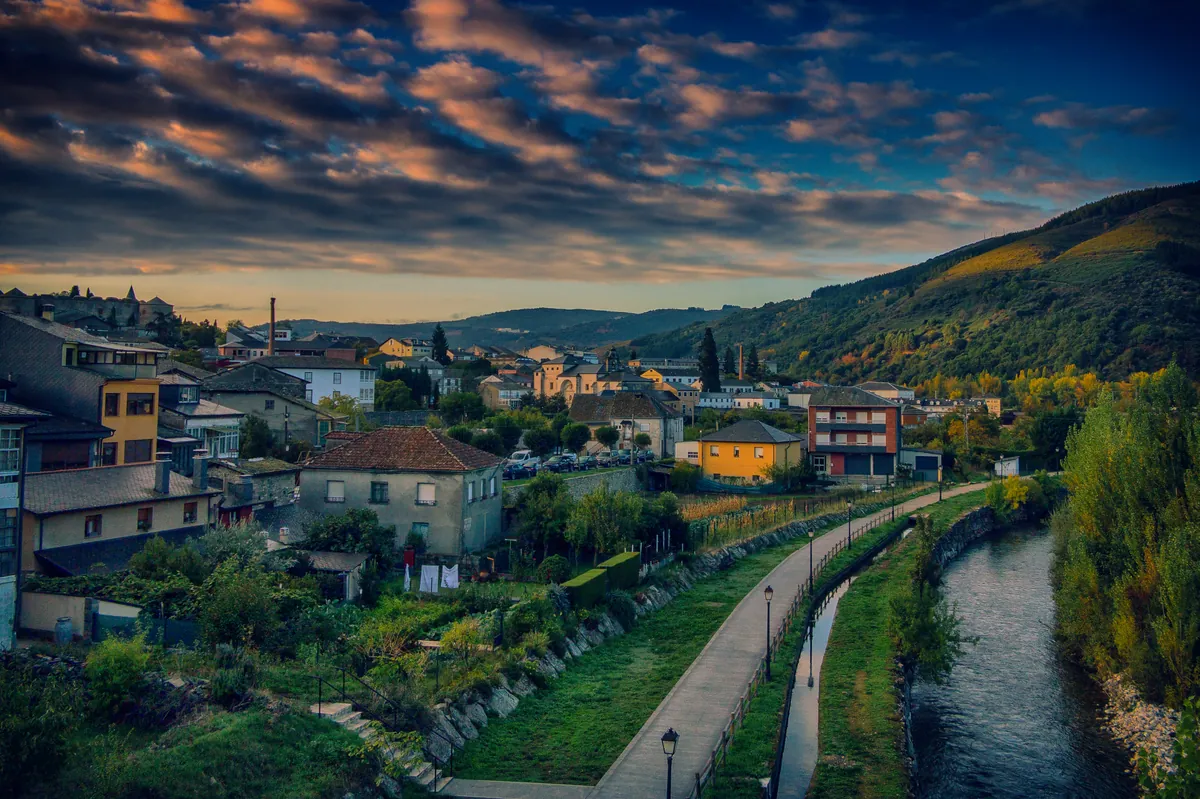
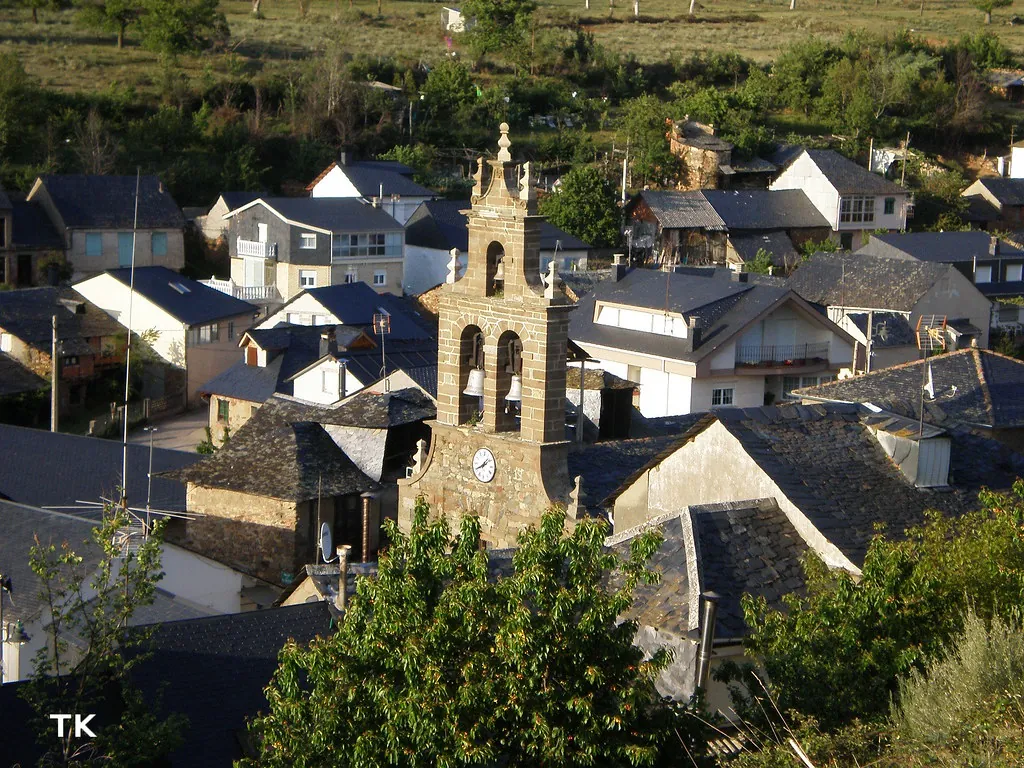
Folgoso has around a thousand residents and sits in the valley of the Boeza river at roughly 770 metres above sea level. The village is spread across stone houses, slate roofs and working vegetable plots that still shape daily life. It does not feel arranged for visitors. Instead, it carries on at its own pace, and you simply drop in for a while.
The streets are narrow, shaped more by gradual growth than by planning. One house looks centuries old, the next has been updated, then a yard appears with stacked firewood. Walking here is not about ticking off sights. It is about noticing small details: a wooden balcony, a glazed gallery, a dog asleep in the middle of the road as if nothing much ever changes.
The surrounding landscape tells another part of El Bierzo’s story: mining. For decades it defined the valley’s economy, and traces are still visible. Cuts in the mountainside or old tracks hint at how coal once moved through this terrain, without the need for explanation panels or signs.
Walking the streets and reading the past
There is no long list of historic buildings in Folgoso, but the parish church still acts as a central point in village life. Built in stone and fairly restrained in style, it fits the character of the place: practical and without excess decoration.
More revealing are the traditional homes. Some still have wooden corridors or enclosed galleries designed to capture sunlight during winter. Others have been adapted with more recent renovations. This mix of old and new is typical of many villages in León, where tradition sits alongside the need to keep homes usable.
Venture a little further and the wider valley comes into view. Small villages are scattered across the landscape, connected by secondary roads and older paths. For a long time, these routes were the main way of moving between settlements. Some stretches can still be followed on foot, giving a sense of how people once travelled through the area.
Paths through the Boeza valley
The main activity here is simple: walking. These are not curated trails with wooden walkways or frequent information boards. They are rural paths still used by locals to reach fields or head into the hills.
Around Folgoso, tracks cut through meadows, patches of oak and chestnut trees, and former routes linked to mining activity. The landscape shifts with the seasons. In autumn, the ground is often covered with leaves and chestnuts. In summer, it looks drier and more open.
The area also suits mountain biking or gravel riding. There are climbs, but nothing extreme, and forest tracks stretch out for kilometres with very little traffic. It is the kind of place where the loudest sound is often the crunch of tyres on gravel.
Eating in the Bierzo way
Food in this part of Spain reflects what the land has traditionally provided. Botillo berciano is the dish most closely associated with the area, especially in colder months. It is a hearty meal, the sort that makes a slow afternoon feel inevitable afterwards.
Other familiar dishes include bacalao al ajo arriero, a garlicky cod preparation, homemade empanadas, and roasted peppers. The cooking is straightforward, without fuss, but full of flavour built over time.
Seasonal produce plays its part as well. Cherries from El Bierzo appear when they are in season, while chestnuts show up in different forms during autumn. Wine also has a place here. The region has a strong winemaking tradition, though it often remains tied to small, family-run cellars rather than large visitor-focused establishments.
Festivities and everyday life
The village’s patron saint celebrations usually take place in summer, when many residents who live elsewhere return for a few days. At that point, Folgoso becomes noticeably livelier. There are evening dances, gatherings in the square, and conversations that stretch late into the night.
What stands out is not the scale of events but the atmosphere. People who have known each other for years come together, tables are pushed closer, and stories begin with familiar phrases about shared memories.
Visiting Folgoso de la Ribera during these days offers a clear glimpse into how villages in El Bierzo Alto work. For most of the year, life is calm and steady. Then, for a short period, the rhythm shifts and the place fills with more noise, more people, and a renewed sense of connection.