Full Article
about Igüeña
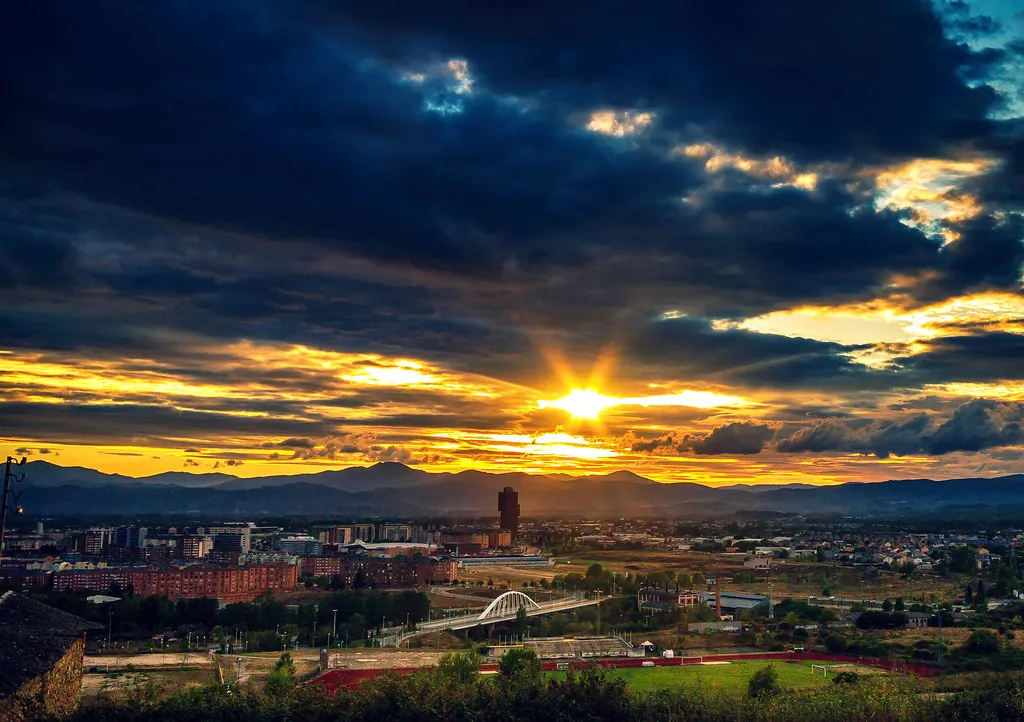
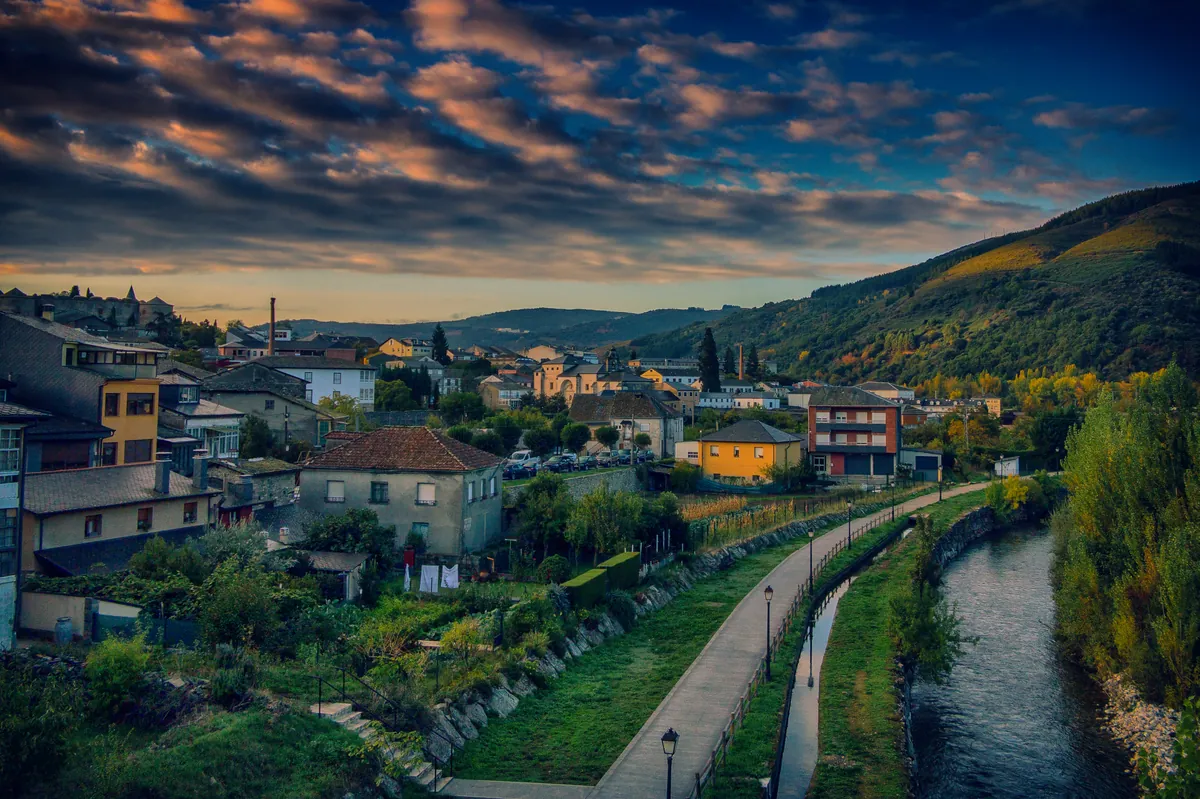
High-mountain municipality in Alto Bierzo; source of the Boeza River and an area of great scenic value.
Ocultar artículo Leer artículo completo
The chestnut trees turn gold in October, and suddenly everyone in Igüeña becomes an expert mycologist. Grandmothers who spend summers shelling beans on doorsteps transform into forensic mushroom detectives, examining gills and stalks with the intensity of CSI technicians. This is when you realise this village isn't playing at being rural—it's simply never stopped.
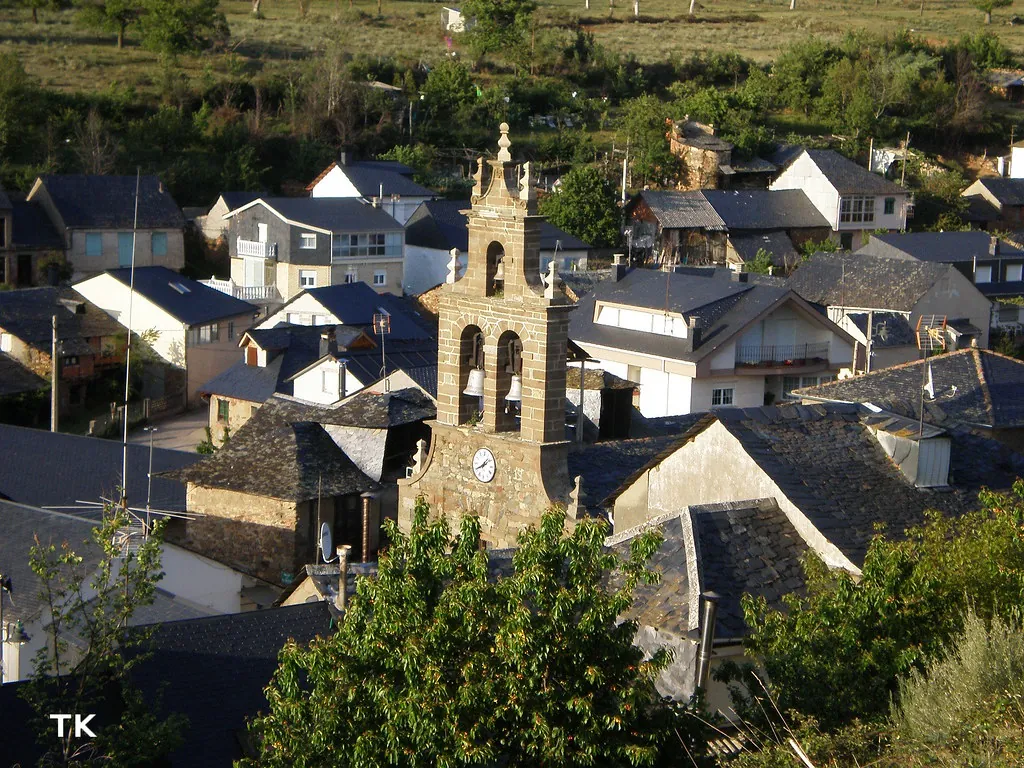
At 914 metres, Igüeña sits high enough that winter arrives early and stays late. The stone houses huddle together for warmth, their slate roofs designed for snow loads that would make a Cumbrian builder nod approvingly. Five thousand people live scattered across the municipality's various nuclei, though you'd never guess it from the empty lanes. They've learnt to read the mountain weather the way Londoners check the Underground map: instinctively, constantly, with genuine consequences for getting it wrong.
The Bones Beneath the Forest
Walk ten minutes from the village centre and you'll stumble across concrete foundations disappearing under bracken. These are Igüeña's scars—remnants of the mining operations that kept the village alive through most of the twentieth century. The coal seams here weren't generous enough to make anyone wealthy, but they were sufficient to stop young people leaving for Bilbao or Barcelona. When the pits closed in the 1990s, the population halved almost overnight.
The elderly men in Bar Central still speak of the mines in present tense, as if the lifts might start running again tomorrow. Their hands tell the story better than words: missing fingers, thickened knuckles, skin permanently tattooed with black dust. Ask about the old workings and they'll produce maps from memory, sketching tunnel networks that honeycomb the hillsides. Some entrances remain accessible to properly equipped cavers, though the local council has sealed most on safety grounds.
The mining heritage isn't packaged for visitors—there's no gift shop selling miniature pickaxes. Instead, it surfaces in unexpected ways: a retired engineer who'll show you his collection of carbide lamps, a former surveyor who can explain why certain paths follow fault lines, women whose grandmothers developed specific recipes for washing coal-dust from work clothes.
Walking the Interior Lines
Igüeña's best attractions require sturdy boots and a tolerance for getting lost. The network of traditional paths—caminos reales, they're called, though no royalty ever walked them—connects the hamlets through forests of chestnut and oak. These routes weren't designed for recreation but for survival: linking vegetable plots to villages, pastures to water sources, churches to cemeteries.
The PR-LE-14 trail forms a 12-kilometre loop from the main square, climbing through abandoned terraces where rye once grew on slopes that would give a goat vertigo. Markers appear sporadically—sometimes nailed to trees, sometimes painted on rocks—following a logic that makes sense only if you understand the agricultural calendar of 1952. The views open suddenly: across the Bierzo valley to the distant peaks of Galicia, or down into narrow gorges where eagles nest on inaccessible ledges.
Spring brings wild asparagus thrusting through the roadside verges; autumn delivers chestnuts that crunch underfoot and mushrooms that could either kill you or provide dinner. The local pharmacist keeps photographs behind the counter of the most dangerous varieties—locals treat these images with the same caution British parents reserve for stranger-danger posters. Even experienced foragers carry their hauls to the health centre for verification before cooking.
What Feeds the Mountain
The village's three restaurants change their menus with the precision of a military operation. When the first wild mushrooms appear, every establishment serves setas a la plancha. During slaughter season—November through January—it's impossible to avoid botillo, the local sausage made from pig's head and tail that tastes better than it deserves to. The meat arrives at tables with proof of provenance: photographs of the actual animal, looking considerably more cheerful than you'd expect.
Bar Teresa opens at 6 am for the agricultural workers and doesn't close until the last customer leaves, sometimes the following afternoon. Their menu del día costs €12 and features whatever Maria Teresa fancied cooking that morning. This might be cocido berciano (the local chickpea stew that could anchor a small boat) or simply eggs from her neighbour's chickens, fried in olive oil that costs more per litre than decent whisky.
The village shop doubles as the post office, betting shop, and informal social services centre. It stocks three types of beans—none of them Heinz—and sells local honey in unlabelled jars that crystallise within weeks of purchase. The owner, Pilar, can tell you which neighbour produced each batch and what flowers the bees were probably visiting. She also knows who's been ill, who's getting married, and which British walkers took a wrong turn on the mountain last Tuesday.
The Seasonal Contract
Winter locks down hard here. The road from Ponferrada—the only practical route in—climbs to 1,200 metres before dropping into the village, and snow closes it regularly between December and March. When weather warnings issue, locals stock up like survivalists: bread disappears from shops, petrol stations run dry, and the pharmacy orders extra supplies of blood pressure medication. The council maintains snowploughs that clear main routes first, then residential streets, then finally the lanes leading to isolated houses. Priority depends on who you know in the ayuntamiento.
Summer brings a different invasion. Urban Spanish families arrive to claim ancestral houses, spending July and August complaining about the wifi speed while their children discover terrapins in the village pond. These temporary residents keep the bars profitable and the cultural programme alive—outdoor cinema in the square, traditional dancing that nobody under seventy actually knows how to perform properly, municipal swimming pool filled from mountain streams so cold it could trigger cardiac arrest.
The sweet spots are May and September. Temperatures hover around 20°C, the mountain flowers bloom spectacularly, and you'll meet more cows than people on the walking trails. Accommodation options remain limited: two rural houses refurbished to British standards (proper plumbing, no hunting trophies on walls), several apartments in converted barns, and a municipal albergue that charges €15 per night but expects you to bring your own sheets.
Igüeña won't change your life. It doesn't offer spa treatments or Michelin stars or even reliable phone reception. What it provides is more valuable: evidence that rural Spain continues functioning according to rhythms that predate tourism, where the landscape dictates human behaviour and where lunch remains the day's most important appointment. Just remember to check those mushrooms before you eat them.