Full Article
about Noceda del Bierzo
Municipality in the Alto Bierzo known for its medicinal waters and hiking trails through oak woods.
Hide article Read full article
Noceda del Bierzo: un valle que te cambia el aire
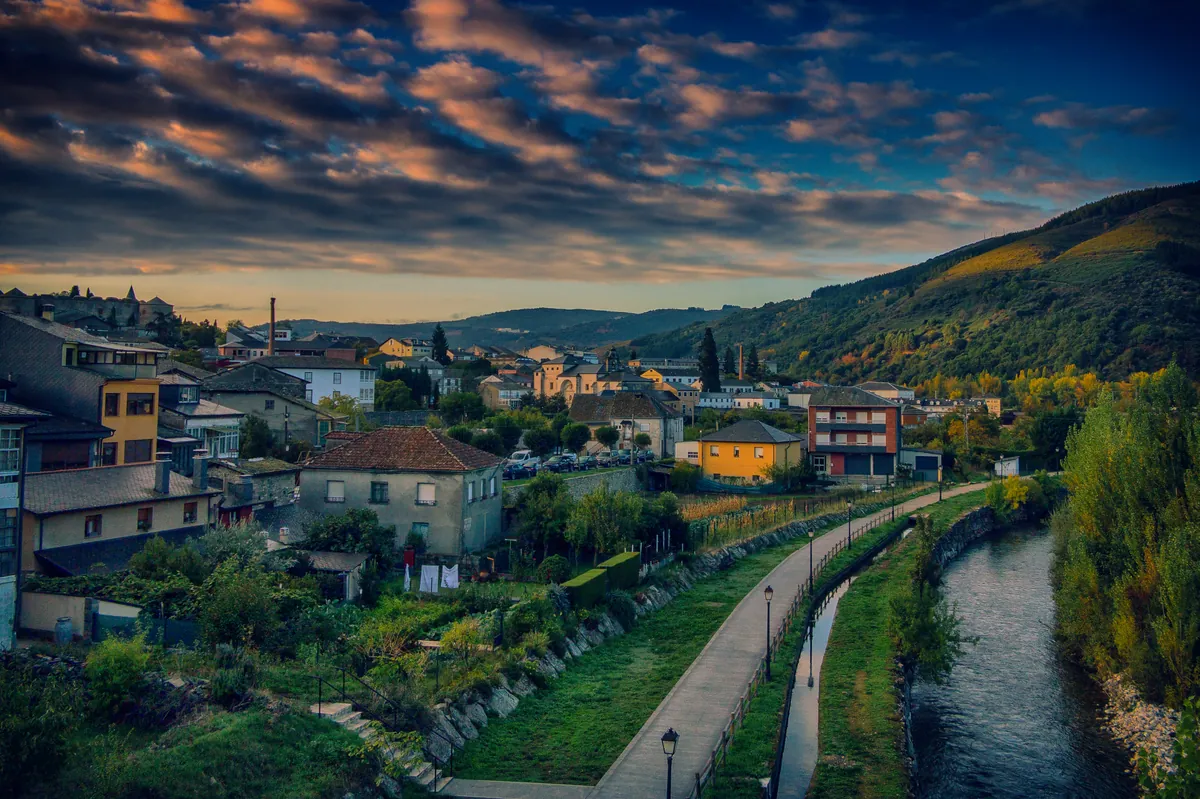
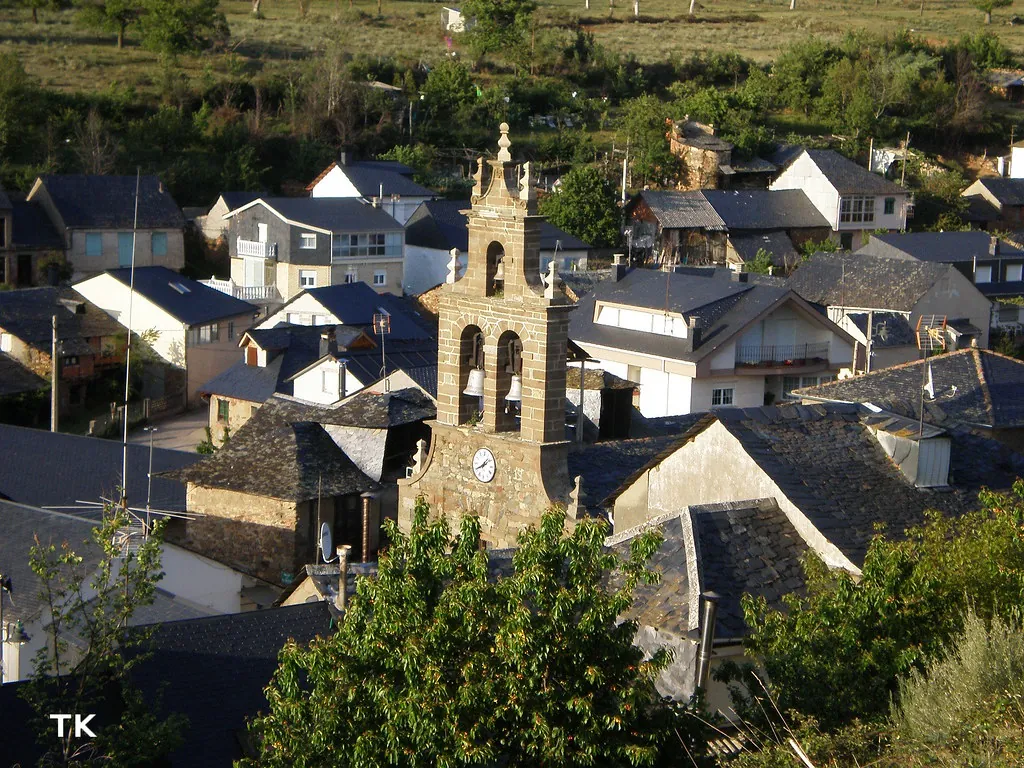
Hay sitios que parecen diseñados para una postal, y Noceda del Bierzo tiene algo de eso en la primera mirada. Casas con tejado de pizarra, castaños y un núcleo compacto. Pero si te quedas solo con eso, te pierdes lo interesante. Este es un pueblo donde se habla más de minas, vino y un ídolo prehistórico que acabó en Madrid que de lo bonitas que son las flores en los balcones.
El pueblo está pegado a la carretera que sube a la sierra de Gistredo. Subes una cuesta, el valle se abre de golpe y el aire cambia. De verdad, se nota. Por eso le llaman la “Suiza berciana”. Suena a exageración de bar, hasta que lo ves. No son los Alpes, pero el verde y la forma del valle hacen que la comparación no sea tan descabellada.
Viven unas 600 personas, repartidas entre el núcleo principal y Robledo de las Traviesas, que está más arriba. Es ese tipo de sitio donde el silencio tiene peso y el ritmo lo marca el día, no un reloj.
Andar entre fuentes (y una cascada con carácter)
Si vienes a Noceda, lo normal es calzarte unas zapatillas. La Ruta de las Fuentes Medicinales es el paseo serio del lugar: unos once kilómetros que unen varios manantiales con nombres que son toda una declaración de intenciones: Fuente del Rubio, de la Salud, del Azufre. La gente del pueblo llevaba años cogiendo agua aquí, a cada una se le atribuían cosas distintas. Hoy se viene más a caminar que a llenar botellas, pero la costumbre sigue ahí.
El sendero va por bosque de castaños y robles. En verano, la sombra y ese olor a tierra húmeda salvan del calor berciano de abajo. No es un camino urbano ni asfaltado; pisas tierra y piedra. A mitad trayecto aparece la cascada de la Gualta. Si ha llovido, baja con ganas. No es una chorrera discreta; tiene presencia. Llegar hasta ella requiere caminar un rato, pero merece la pena por el entorno.
Cerca está el Mirador de la Gualta. Las vistas aquí son completas. En otoño, cuando los castaños cambian, parece otro valle. La gente suele quedarse más tiempo del previsto.
Ven preparado: calzado cómodo, agua y algo para picar. No es una exigencia extrema, pero agradecerás no hacerlo en chanclas.
Un ídolo famoso (que no está)
Aquí hay una historia curiosa: uno de los hallazgos más conocidos de Noceda no está en Noceda. El Ídolo de Noceda del Bierzo, una figura prehistórica encontrada por aquí, vive en el Museo Arqueológico Nacional en Madrid.
En el pueblo queda el relato y cierto orgullo local. Que algo tan antiguo saliera de este terreno sigue importando.
Dentro del núcleo está la iglesia de San Juan Bautista, con origen medieval. No es una catedral; es una construcción de piedra que habla sin aspavientos del tiempo que lleva gente viviendo aquí.
Vino, carbón y lo que vino después
Estamos en El Bierzo, así que el vino es parte natural del paisaje. El de la Denominación de Origen Bierzo, hecho con mencía, es lo normal en las mesas.
Pero durante décadas lo que marcó el ritmo fue el carbón. La minería en las zonas cercanas definió la economía y las rutinas de muchas familias. No hay grandes instalaciones mineras visibles en el término municipal hoy, pero esa historia sigue presente si hablas con quien ha vivido aquí.
Ahora lo que tira son los paseos y la montaña. El cambio del carbón al turismo rural no es exclusivo de Noceda; toda esta parte de León ha ido por ese camino.
Cómo moverte por aquí
Noceda no funciona como una lista de monumentos para tachar. Su punto fuerte es otro.
El tiempo pasa más despacio. Hacer la ruta de las fuentes, subir hasta Robledo o simplemente estar sin un plan fijo encaja mejor.
Las estaciones cambian todo:
- En otoño, los castaños pintan el valle.
- En verano, se suele estar más fresco que en la hoya berciana.
- En invierno, a veces baja la niebla y le da un aire más recogido.
Mi consejo: ven sin prisa. No se trata de cuántos sitios ves, sino de dejar que el valle se muestre poco a poco