Full Article
about Páramo del Sil
Mining town with a rich ethnographic heritage; noted for its museum and well-preserved traditional architecture
Hide article Read full article
A pause in the valley
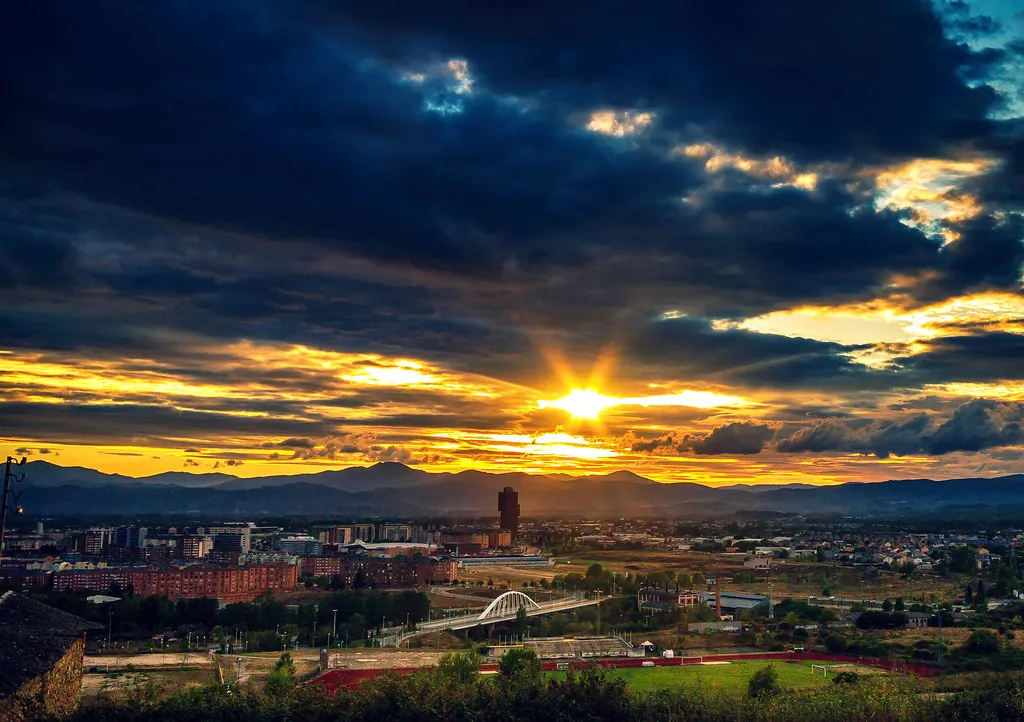
For years, the road that cuts across this valley was simply somewhere to pass through. One of those stretches you drive on the way to somewhere else, thinking you will stop another day. That is often how it goes with Páramo del Sil. It sits quietly in El Bierzo, in the province of León, and many people cross it on their way to better-known parts of the Bierzo Alto without realising how much history surrounds them.
Then comes the moment you do pull over. You park, wander without much of a plan and start to notice the details: the hush of the valley, the outline of old industrial structures against the hills, the sound of the river in the background. There are no large-scale tourist set-ups here. What you find instead are dirt tracks, reminders of the mining years and a pace of life that feels unforced.
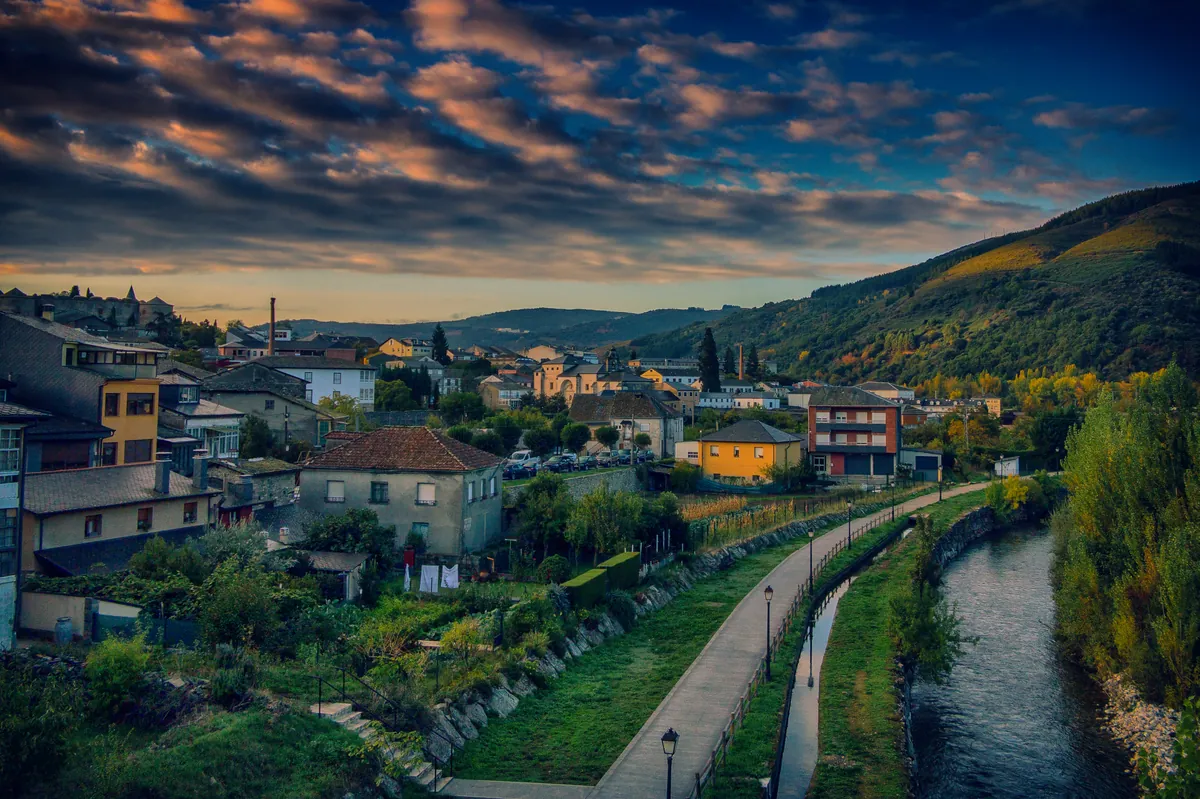
Páramo del Sil lies at around 860 metres above sea level and has just over a thousand residents spread across several villages. Añilares, Primout and Susañe are among the main settlements, along with other smaller hamlets. It follows a familiar pattern for this part of León: stone houses, slate roofs and streets where time seems to move a little more slowly. Some homes have been renovated in recent years, many now serving as second residences for people who return at weekends.
Coal and memory
A short walk around the outskirts is enough to understand what shaped this municipality. The mining past is not tucked away in a museum. It appears in fragments across the landscape: old installations, industrial chimneys, metal structures partly eaten by rust. They are scattered pieces from a period when coal provided work for much of the valley.
For decades, mining was the main economic driver here. That changed with the restructuring of the sector, which gradually brought activity to a halt. The former Mina Escuela is still frequently mentioned in local conversation. It was the training mine where many workers learned their trade before heading down into the shafts. What remains today functions more as a reminder than as an active facility.
This history is not abstract. Almost every family in the area has, or had, some connection to the mines. It continues to shape how people talk about the past and how they understand the present.
Walking the Sil valley
The landscape around Páramo del Sil mixes chestnut and oak woodland with meadows where some livestock farming continues. The river Sil runs through the municipality, calm in certain stretches and livelier in others, forming small currents where trout fishing is common in season.
There are numerous paths that once linked villages or served the mining industry. Today they are used for walking and mountain biking. Visitors should not expect polished infrastructure or viewing platforms with shiny railings. Sometimes the “viewpoint” is simply a flat rock on higher ground from which the valley opens up below.
After rain, mud quickly becomes part of the experience, so decent boots are advisable.
Autumn changes the character of the valley noticeably. Chestnut trees dominate many of the slopes and the landscape turns shades of yellow and orange. It is one of the best times of year to explore the area on foot, when the woods feel fuller and the air sharper.
Villages and rural heritage
Each village within the municipality holds small pieces of rural heritage. In Añilares, the church of Santa Ana preserves older elements that have been modified over time. It is not a grand monument, yet it reflects how these temples have adapted across the centuries, shaped by local needs and resources.
Primout is home to the church dedicated to San Juan Nepomuceno. This building is more recent, with a simple architectural style typical of the early twentieth century in mining and agricultural communities. Its modest design fits naturally into the village setting.
Across the municipality, stone crosses and small wooden or stone cruceros stand at road junctions and along paths. These traditional markers are easy to overlook if you are in a hurry, but they say much about rural life in this part of León. They speak of a time when daily routines revolved around the land, the church and close-knit communities.
Mountain cooking and chestnuts
Food here follows the logic of the mountains. Dishes are hearty, based on local produce and cooked slowly. Beef and lamb feature prominently, along with home-cured embutidos, the Spanish term for traditional sausages and cured meats. Stews are a staple, the sort that simmer for hours and are best enjoyed without rushing away from the table.
In season, wild mushrooms appear in abundance. Níscalos, known in English as saffron milk caps, boletus and other varieties are collected by local people in the surrounding woods. And then there is the chestnut. It plays a significant role in the area’s cooking, used in purées, desserts or simply roasted when the cold weather sets in.
This is not a refined or elaborate gastronomy. It is traditional, based on the ingredients at hand and the rhythms of the year. Meals tend to be generous, followed by long conversations rather than quick departures.
Is Páramo del Sil worth the stop?
The answer depends on what you are looking for. Travellers expecting a village fully arranged for tourism, with everything clearly signposted and a packed list of attractions to tick off in a couple of hours, may find it underwhelming.
Páramo del Sil works best at a slower pace. It offers a way to understand the valleys of El Bierzo beyond the most famous spots. A walk through one of its villages, a short hike into the surrounding hills and some time spent listening to the river can be enough.
It is the kind of place that does not try to attract attention. That is precisely why, when you do stop, it often leaves a better impression than you anticipated.