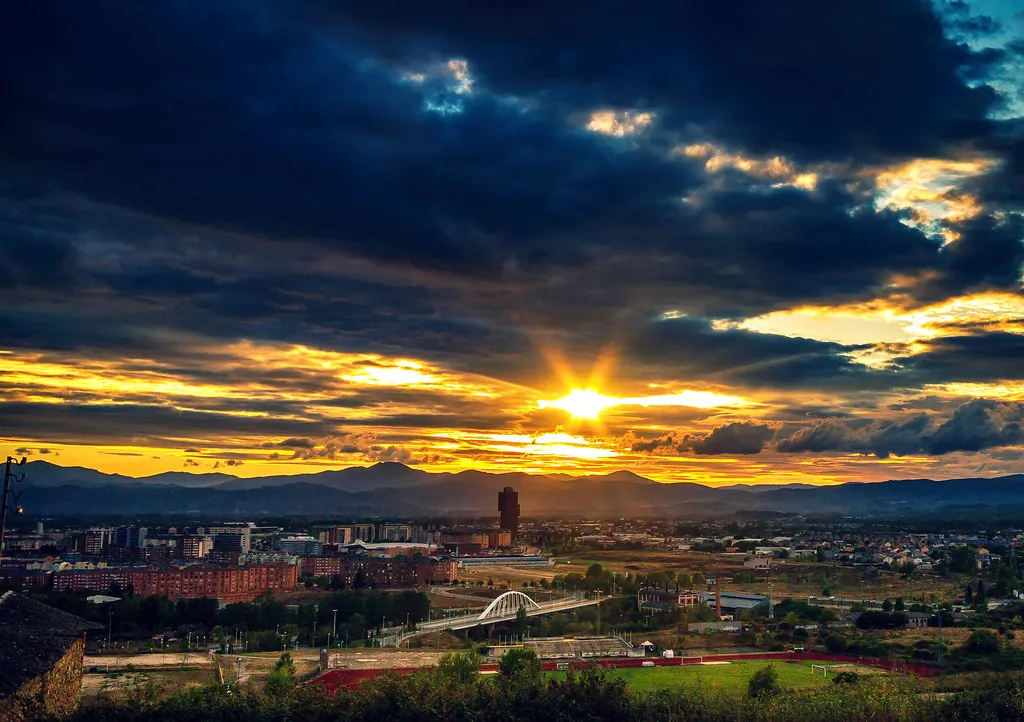
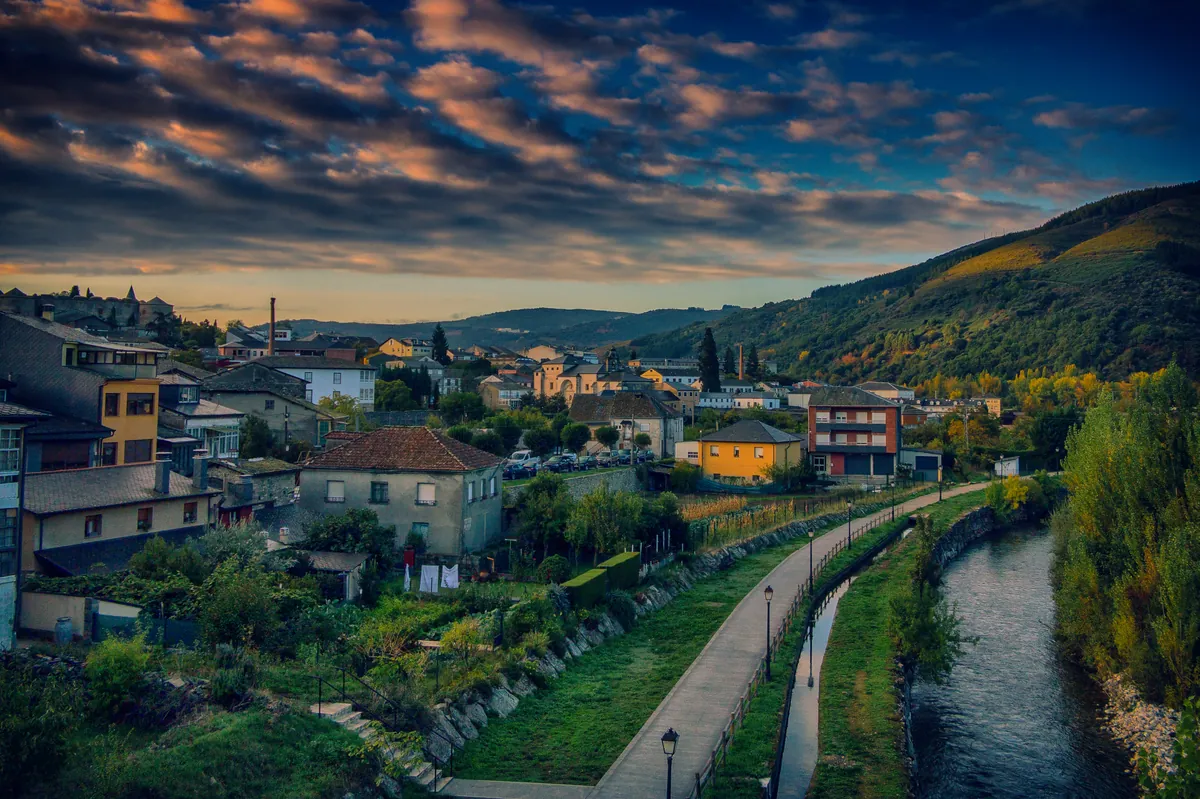
Chano - WLE Spain 2015.jpg
Raúl Hidalgo · CC0
Castilla y León · Cradle of Kingdoms

Peranzanes

The road to Peranzanes climbs through switchbacks so tight you'll be checking your mirror for approaching lorries every thirty seconds. At 950 metr...

276 inhabitants · INE 2025
949m Altitude

Why Visit

Mountain Sanctuary of the Virgen de Trascastro Pilgrimage to Trascastro

Best Time to Visit

summer

Virgin of Trascastro (August) agosto

Things to See & Do
in Peranzanes

Heritage

  • Sanctuary of the Virgen de Trascastro
  • Pre-Roman hillforts

Activities

  • Pilgrimage to Trascastro
  • Hiking

Festivals
& & Traditions

Fecha agosto

Virgen de Trascastro (agosto)

Las fiestas locales son el momento perfecto para vivir la autenticidad de Peranzanes.

Full Article
about Peranzanes

In the Fornela valley; known for the Santuario de Trascastro and its ancient traditional dances.

Ocultar artículo Leer artículo completo

The road to Peranzanes climbs through switchbacks so tight you'll be checking your mirror for approaching lorries every thirty seconds. At 950 metres above sea level, this cluster of stone villages sits where the Leonese mountains start thinking about becoming Galicia. Your ears might pop. Your phone signal certainly will.

The Geography of Getting Lost

Peranzanes isn't one village but five—Trascastro, Guímara, Chano, Faro and Peranzanes proper—scattered across folds of oak and chestnut forest like someone emptied a pocketful of stones. The municipal boundaries stretch across 45 square kilometres, yet barely 264 people call this home. Houses huddle against the slopes, their slate roofs angled to shrug off winter snow that can cut the villages off for days.

The altitude changes everything. While León city swelters at 30°C in August, Peranzanes might manage 22°C on a good day. Morning mist pools in the valleys until ten o'clock. Even in July, you'll want a jumper after sunset. Winter arrives early and stays late—road access requires chains from December through March, and the petrol station at Vega de Espinareda, 18 kilometres down the mountain, becomes your lifeline to civilisation.

Walking tracks spider-web between villages, but don't trust the signposted times. What the council calls "45 minutes gentle stroll" translates to 90 minutes of steady climbing if you're carrying water, camera and that British tendency to stop and photograph every view. The path from Peranzanes to Chano gains 200 metres of elevation in under a kilometre—think Yorkshire Dales steep, but with added altitude.

Stone, Slate and Stories in the Wood

The architecture here wasn't designed for Instagram. Stone houses grew organically from the bedrock, extended by sons who quarried their own back gardens. Balconies of local chestnut wood sag satisfyingly underfoot—no health and safety certificates, just generations of family confidence. Hórreos—those rectangular granaries on stilts—still store potatoes and onions rather than appearing as converted garden offices.

Each village maintains its own modest church. The Iglesia de Santa María in Trascastro houses a 17th-century retablo depicting local saints who look appropriately weather-beaten. The priest conducts services across all five villages on rotation; Sunday mass happens at 11am, but which village gets blessed depends on a timetable pinned inside every porch. Turn up wrong and you'll find the church locked, village square empty except for a cat washing itself on the war memorial.

The chestnut trees deserve particular mention. Some predate the Reformation, their trunks split into Gothic arches wide enough to shelter three hikers during a thunderstorm. October brings the magosto festival—roast chestnuts, rough red wine and music that continues until someone's grandfather starts singing the old mining songs. Visitors welcome, but don't expect organised entertainment. Someone produces a drum, another a guitar tuned to 1952, and suddenly everyone's dancing in the square's single streetlight.

What Grows Between the Rocks

The gastronomy follows mountain logic: preserve everything, waste nothing. Botillo—a local sausage stuffed with rib meat and bones—arrives at table as a complete meal, simmered with potatoes and greens until the bones give up their marrow. It costs €12 at Bar Castro in Vega de Espinareda, the nearest place serving actual meals, and feeds two hungry walkers adequately.

Wild mushrooms appear on menus from October through December, but identification requires local knowledge. The British approach of "that looks edible" won't impress Avelino, who's been foraging these slopes for seventy years. He'll sell you a basket of chanterelles for €8 if you're staying at his daughter's guesthouse, but first he'll quiz you on rainfall patterns and which side of the hill you found them.

Apple orchards cling to impossible slopes—the trees trained horizontally against stone terraces originally built by Romans who recognised good south-facing land when they saw it. The resulting cider tastes nothing like Somerset's refined product. It's rough, cloudy and served in glasses rimmed with salt to cut the acidity. One litre with lunch guarantees an afternoon nap back at your accommodation.

When the Weather Makes the Rules

Spring brings mud. The track to Guímara becomes a river of brown slurry that'll ruin walking boots permanently. Locals wear wellingtons to the pub and change into respectable footwear by the door—follow their lead or face a week of drying boots on your rental's inadequate radiator.

Summer offers the best access, but also the tour buses. Tuesdays and Thursdays see coaches winding up from Ponferrada, depositing thirty Spanish pensioners at the church door for precisely forty-seven minutes. They photograph the hórreos, buy magnets from the van that appears miraculously, then depart. The villages exhale and return to sheep farming.

Autumn delivers the colour—chestnut amber, oak bronze, beech gold—but also the rain. Proper mountain rain that bounces six inches off the tarmac and fills your supposedly waterproof pockets. Come prepared with actual waterproofs, not that packable jacket that coped with the Lake District.

Winter means solitude. Restaurants close, guesthouses shutter, and the few remaining residents retreat to wood-fired kitchens. Unless you've booked specifically for winter walking with a local guide, visit between April and October. The mountain doesn't care about your travel plans.

Practicalities for the Prepared

Accommodation options remain limited. Casa Rural Avelina offers three rooms in a restored farmhouse at €60 per night including breakfast—fresh bread, local honey and coffee strong enough to wake the neighbouring village. The bathroom features a proper bath, essential after day's walking. Alternative options exist in Vega de Espinareda, but you'll face a 40-minute mountain drive after dinner.

Car hire essential. Public transport involves a bus from León to Ponferrada, another to Vega de Espinareda, then begging the bar owner for a lift up the mountain. Taxis refuse the road in winter. A small hatchback suffices in summer; winter demands something with decent tyres and the confidence to reverse half a kilometre when you meet the milk tanker coming down.

Phone signal exists in pockets—stand by the fountain in Trascastro, face north-west and you might manage one bar. WiFi appears in accommodation but disappears during storms. Download offline maps before leaving Ponferrada. The tourist office there stocks walking leaflets printed on paper that doesn't dissolve in drizzle.

Peranzanes rewards those who arrive without rigid schedules. The villages operate on agricultural time—shops open when someone's awake, bars serve coffee until the machine needs cleaning, walking paths exist because sheep needed somewhere to go. It's not picturesque, it's functional. The beauty emerges slowly, through conversations with farmers who remember when these slopes supported fifty families, through understanding why someone chooses to remain when the world offers easier alternatives. Come prepared for weather, walking and conversations conducted through phrase-book Spanish and expressive gestures. The mountains will still be here when you leave, unchanged and unchanging, waiting for your return.

Key Facts

Region
Castilla y León
District
El Bierzo
INE Code
24112
Coast
No
Mountain
Yes
Season
summer

Livability & Services

Key data for living or remote work

2024
Connectivity5G available
HealthcareHealth center
Housing~5€/m² rent · Affordable
Sources: INE, CNMC, Ministry of Health, AEMET

Official Data

Institutional records and open data (when available).

  • CASTRO DEL CHANO
    bic Zona Arqueolã“Gica ~4.1 km

Planning Your Visit?

Discover more villages in the El Bierzo.

View full region →

More villages in El Bierzo

Traveler Reviews