Mariano Picón Salas 1917.jpg
Unknown authorUnknown author · Public domain
Castilla y León · Cradle of Kingdoms

Sancedo

The morning bus from Ponferrada drops you at the edge of Sancedo with a hiss of brakes and a puff of diesel that drifts uphill faster than the vehi...

532 inhabitants · INE 2025
638m Altitude

Why Visit

Parish church Mycology

Best Time to Visit

autumn

San Mamés (August) agosto

Things to See & Do
in Sancedo

Heritage

  • Parish church
  • Sancedo forests

Activities

  • Mycology
  • Hiking

Festivals
& & Traditions

Fecha agosto

San Mamés (agosto)

Las fiestas locales son el momento perfecto para vivir la autenticidad de Sancedo.

Full Article
about Sancedo

Forestry municipality in El Bierzo; surrounded by pine and chestnut woods with mushroom-hiking trails

Ocultar artículo Leer artículo completo

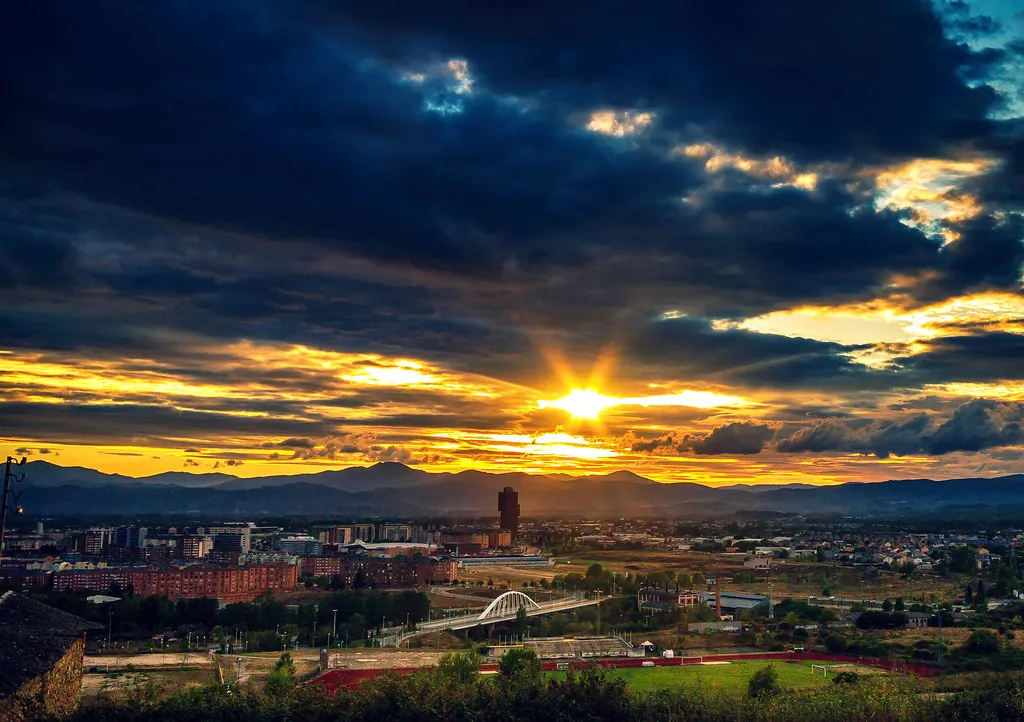
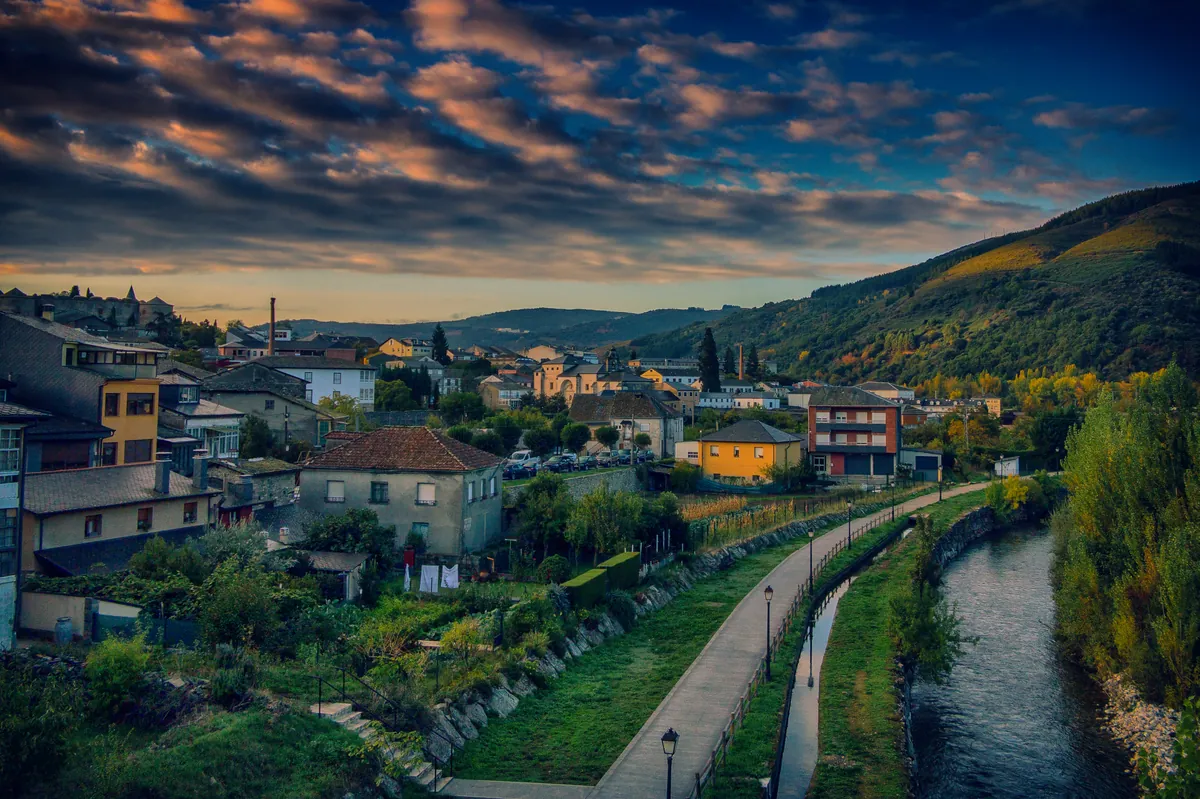
The morning bus from Ponferrada drops you at the edge of Sancedo with a hiss of brakes and a puff of diesel that drifts uphill faster than the vehicle itself. At 640 metres above sea level the air is already thinner than on the León plateau fifty kilometres behind; lungs notice before eyes do. Stone houses—some roofed with slate so dark it drinks the light, others capped with corrugated sheets that clatter in the breeze—line a lane wide enough for a tractor and little else. A farmer in overalls the colour of soil swings a gate, nods, and the day begins.

Sancedo’s population of 532 is a rounding error in most Spanish statistics, yet the village still governs 32 square kilometres of Bierzo foothills. That ratio—one person for every 60 hectares—explains the soundtrack: sheep bells, a chain saw, the click of irrigation pipe rather than human chatter. Mobile coverage flickers in and out; the cemetery has better 4G than the square. Visitors expecting a manicured “mountain idyll” should know that half-empty wine bottles sometimes decorate window ledges and a derelict house on Calle Real has been collapsing, slowly, since 2009. The place is alive, not museum-sealed.

Walking without waymarks

Footpaths radiate from the church like cracks in a windscreen. None is sign-posted in English; some aren’t sign-posted at all. The most useful strategy is to locate the 1970s stone fountain opposite the bar, face the cherry orchard, and take the track that smells of wet eucalyptus. Within twenty minutes the tarmac gives way to a stone-and-mud camino that once carried mule trains from Galicia. Chestnut woods close overhead, the temperature drops another degree, and the only definite junction is marked by a rusted fridge door someone has hammered onto a post. Locals insist the ridge loop to Villanueva de la Tercia is “five kilometres, mostly flat”. It is 6.3 km and climbs 260 m; allow two hours, carry water, and expect thigh-high bracken after May.

Spring brings the least forgiving surface: clay the colour of milk chocolate sticks to boots until each footstep weighs double. Autumn is kinder, the paths cushioned with gold leaves and the hedges loud with robins recently arrived from Britain. In winter the same tracks can ice over; the council grades the road to Sancedo but not the tracks beyond. If snow settles, the village is effectively cut off until a farmer chains up his tractor and ploughs a single lane.

The church that refuses to dominate

Iglesia de San Pedro stands at the top of the only gentle gradient in the settlement, but its bell tower is barely taller than the three-storey grain silo built beside it in 1968. The stone is the same honey-grey as the houses, so the building merges rather than presides. Inside, the alabaster altar is cracked; a hand-written note asks for one euro towards repairs and provides the priest’s mobile number. The interior smells of candle wax and damp plaster—a reminder that roof tiles slipped in the gales of 2022 and haven’t all been replaced. Yet on 29 June, the Día de San Pedro, the nave fills. Women who spend the rest of the year in trousers reappear in black skirts and gold earrings; the village band, composed of eight teenagers and one septuagenarian with a helicon, negotiates a shaky pasodoble.

What arrives by lorry and leaves by leg

There is no supermarket. A white van labelled “Pan de Leña” swings through at 09:30 daily except Sunday, selling baguettes still hot from a bakery in Borrenes. Bread sells out by 10:15; after that you wait for tomorrow or walk 5 km down to the N-VI where a filling station shop stocks UHT milk and tinned squid. The weekly market—Thursday—consists of one stall with tarpaulin sides that offers socks, batteries, and seasonal fruit. In May the stallholder brings boxes of cherries grown around the corner; in October the same space overflows with chestnuts bought wholesale from Ourense and sold at €3.50 a kilo.

Serious provisioning happens in Ponferrada, 19 km south-west along the CV-183, a road that coils downhill through oak scrub and past the abandoned sanatorium of Las Medulas. The journey takes 25 minutes by car, 45 minutes by the twice-daily bus, or three hours if you trust the regional train that links up in Vilafranca. Car hire is therefore practical rather than decadent; without wheels you eat what the valley produces and you eat it in season.

Eating between mains sockets

The village’s single bar, Casa Chema, opens at 07:00 for coffee and Anís del Mono, closes at 22:00, and shuts altogether on Mondays. There is no printed menu; the owner recites what his sister has cooked while glancing at the weather. A bowl of caldo gallego (€4) arrives steaming, thick with turnip tops and chorizo whose paprika stains the rim. Botillo—pork ribs stuffed into the animal’s own stomach and smoked over oak—appears only in winter; the portion feeds two, costs €12, and is served with cachelos, floury potatoes that absorb the fat like blotting paper. Vegetarians get eggs: scrambled, fried, or in a Spanish omelette weighing half a kilo. Payment is cash only; the card reader broke in 2021 and no one has bothered to replace it.

Wines are local Mencía poured from a tapped earthenware bowl; the first glass is sharp enough to make British guests wonder if the barrel has turned, the second softens, the third convinces you the bowl is communal crockery rather than affectation. A bottle of the same stuff, labelled and corked, costs €6 to take away from the co-operative bodega on the road out—look for the roller door painted with a purple cartoon grape.

When the village doubles in size

August turns theory into practice. Emigrants return from Madrid, Barcelona, and a bricklaying job in Swindon; suddenly every second car bears a UK number plate. The population swells to roughly a thousand, the bar runs out of chairs, and teenagers occupy the stone fountain with bluetooth speakers playing reggaetón at tyre-rattling volume. The fiesta schedule is printed on pink paper and stuck to telegraph poles: foam party Friday, bagpipe concert Saturday, mass and procession Sunday at 11:00 sharp. At 14:00 the square hosts a communal paella; tickets (€10) go on sale at 10:00 and sell out by 10:07. If you miss it, bring your own chair and a plate—the smell drifts everywhere anyway.

Fireworks begin at midnight but echo off the valley walls for another hour, long enough for dogs to bark and babies to wake. By the second week of August the exodus reverses; suitcases are wedged into hatchbacks, grandmothers wave from doorways, and Sancedo settles back into its regular heartbeat.

Practical residue

Sleeping options are limited. There is no hotel; the nearest bed-and-breakfast is in Carracedelo, 12 km away. The ayuntamiento will, if asked politely, direct you to a house owner who rents two spare rooms (shared bathroom, €35 per night, no breakfast). Booking by WhatsApp is possible, but replies arrive after dark when the signal improves. Bring cash, a phrasebook, and shoes you don’t mind ruining. The altitude tempers summer heat—nights can dip below 14 °C even in July—so pack a fleece alongside the suncream. Finally, remember that altitude also distorts thirst: wine goes to the head faster at 640 m, and the last bus downhill leaves at 19:05. Miss it, and you’ll discover how quickly a mountain village can become a very quiet place to spend the night.

Key Facts

Region
Castilla y León
District
El Bierzo
INE Code
24143
Coast
No
Mountain
No
Season
autumn

Livability & Services

Key data for living or remote work

2024
ConnectivityFiber + 5G
TransportTrain 11 km away
HealthcareHospital 11 km away
Housing~5€/m² rent · Affordable
CoastBeach nearby
January Climate5.4°C avg
Sources: INE, CNMC, Ministry of Health, AEMET

Planning Your Visit?

Discover more villages in the El Bierzo.

View full region →

More villages in El Bierzo

Traveler Reviews