Full Article
about Toral de los Vados
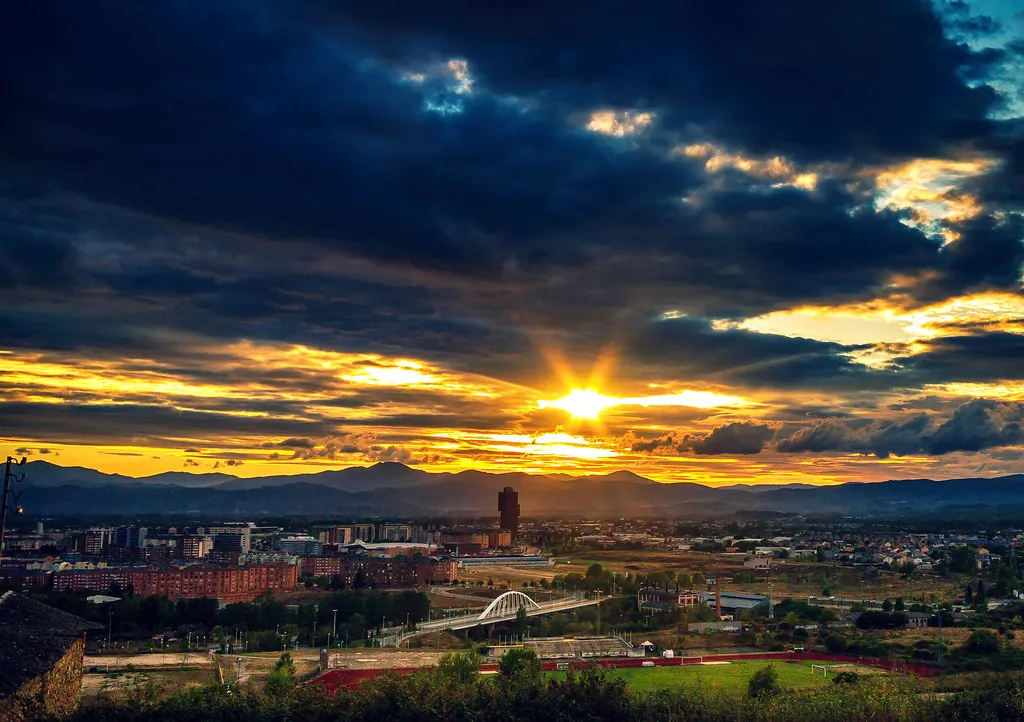
Important railway and industrial hub (cement); it has an excellent river beach
Hide article Read full article
A crossing shaped by water
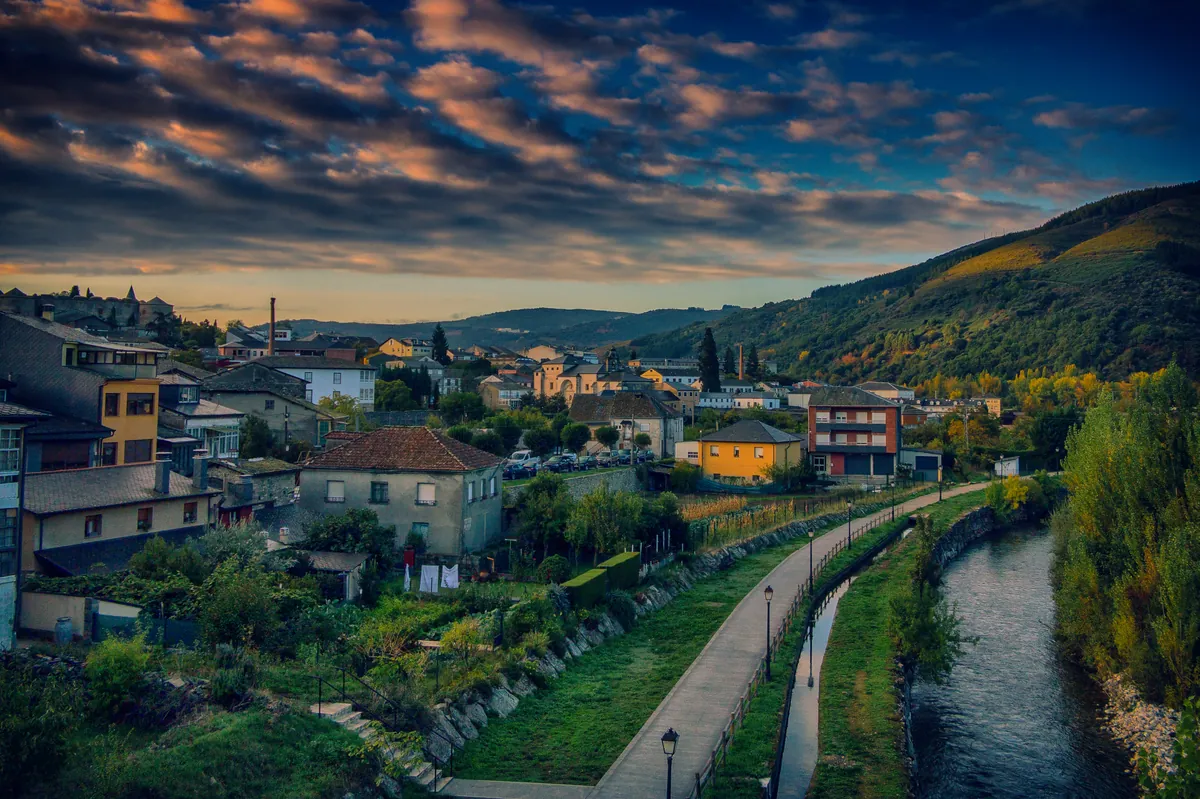
Toral de los Vados sits on the eastern edge of El Bierzo, where the Burbia river meets the Sil. The name itself is the map: “Vados” means fords, the shallow river crossings that dictated movement here long before roads. At just over five hundred metres in altitude, the village grew on a fertile floodplain, a practical stop on the way from one valley to the next. Its layout still follows that logic of transit, a role later cemented by the railway line whose old infrastructure you can still trace in parts of the town.
The architecture is that of a working Bierzo village. You’ll see stone houses with wooden balconies and interior courtyards built for farm life, not for show. It’s a functional place. The centre isn’t monumental, but it’s coherent, organised around the land it was meant to work.
The church and the monastery
The parish church is dedicated to San Esteban. Like many rural churches, it’s a building of several phases, altered over time as the community needed. The interior holds its altarpieces and images, which remain part of local devotional life.
On the outskirts, set among fields, is the complex of the monastery of San Bernardo. Its origins are cited as medieval, but what you see today is largely the result of early modern modifications. The architecture is sober, with simple volumes that sit quietly in the landscape. It feels more like a farmstead with a chapel than a grand monastic site.
Scattered through the village centre are a few houses with carved stone coats of arms and wooden galleries. They don’t create a uniform street scene, but they mark where certain families held local prominence in past centuries.
A landscape of working rivers
The character of the land here is defined by the Sil and Burbia floodplains. This is irrigated, productive ground, lined with vegetable plots, fruit trees, and vineyards. The view from any path changes sharply with the seasons: the intense green of spring in the fields gives way to the deep red of the vines in October.
The riverbanks hold stands of alder, poplar, and willow. This is not pristine wilderness; it’s a managed landscape, shaped by agriculture. These wooded stretches serve as a corridor and shelter for birds like herons and cormorants, which you can often spot at dawn or dusk along quieter parts of the Sil.
Walking the tracks
The land around Toral is best explored on foot via its rural tracks. These are gentle walks, following old agricultural paths that connect vineyards and plots with neighbouring hamlets. There’s little climb. The purpose is observation, not exertion—seeing the work of the valley up close.
Cyclists also use these local roads along the valley floor. The terrain is mild, but you share the road with occasional traffic.
The rhythm of the year
The village’s annual pulse follows the land and the church. The main festivity is for San Esteban, at the end of December, mixing religious observance with community gatherings.
Autumn is defined by the grape harvest. When it’s on, the rhythm of the place shifts: tractors move along the tracks, and crates of grapes appear at the roadsides. In summer, with the return of people on holiday, there are open-air dances, a common feature in Bierzo villages.
A practical note on time
To see the valley active and the colours distinct, come in spring or autumn. Summer can bring considerable heat by midday, though the late hours near the river are milder. Winter is quiet, with a slower, more local pace.