Full Article
about Torre del Bierzo
Mining town tucked into a valley; known for the 1944 rail disaster and its rugged landscape.
Hide article Read full article
Cuando la carretera a Bembibre te pide que pares
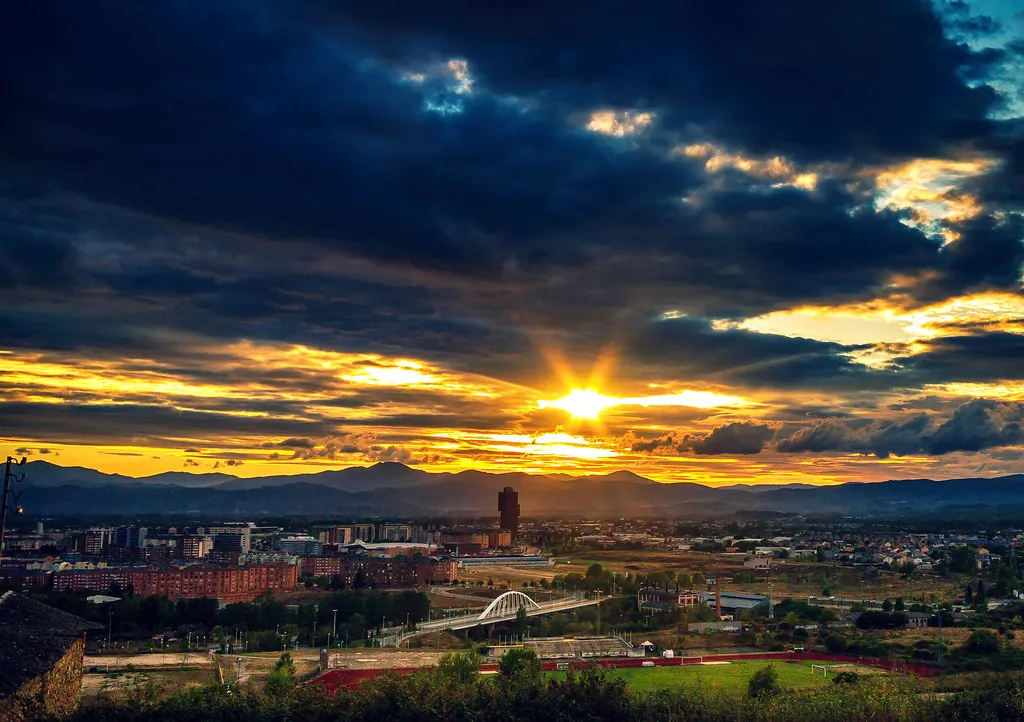
Salir de Ponferrada por la N-VI es como ponerte en una cinta transportadora: todo es recto, rápido, camiones y rotondas. Pero justo antes de que Bembibre aparezca en el horizonte, hay un desvío que frena ese ritmo de golpe. Torre del Bierzo es ese tipo de sitio. No es un pueblo al uso del Bierzo, no tiene ese aire preparado para quien llega de fuera. Aquí se nota que el motor fue otro: el carbón. Las calles son prácticas, las casas son de la época que les tocó, y el conjunto tiene esa sensación de lugar que ha sudado tinta durante décadas.
¿Es bonito? No en el sentido postal. Es real. Si has estado en otras cuencas mineras, reconocerás la vibra: barrios que crecieron a toda prisa, bloques sencillos y un paisaje donde la industria dejó su huella a plena vista.
Un paisaje con las cicatrices a la vista
La historia reciente aquí huele a carbón. La vida giró en torno a los pozos y todo lo que traían consigo: talleres, almacenes, el tren. Ahora esa actividad pesa menos, pero no se ha ido. Lo notas hablando con la gente y, sobre todo, paseando.
En las afueras te cruzas con restos sin cartel: una nave medio derruida, una explanada demasiado grande para ser natural, un camino ancho que ahora solo usan los jabalíes. No son monumentos ni están señalizados; son cosas que quedaron donde se usaron por última vez. Es la manera más honesta de entender cómo funcionaba esta parte del Bierzo.
El centro útil: la iglesia y las calles donde se vive
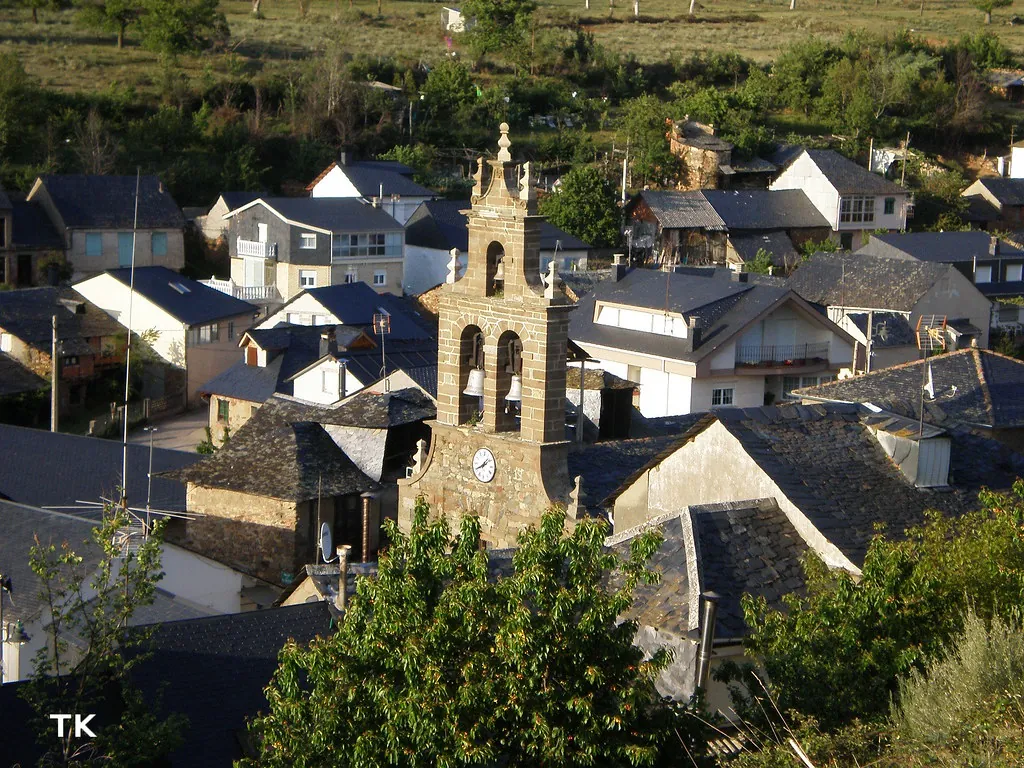
La iglesia de Santa María Magdalena aparece de repente entre las casas, como quien no quiere llamar la atención. Es sobria, sin florituras, muy del estilo de los pueblos mineros. A su alrededor está lo que podríamos llamar el centro: unas pocas calles donde siguen abiertos algunos negocios familiares. Verás vecinos haciendo recados o parándose a hablar un momento. No es un conjunto histórico monumental; es el corazón práctico del pueblo, donde se resuelve el día a día.
Senderos sin pretensiones (ni marcas)
Si sales del casco urbano hacia los montes cercanos, aparecen caminos rurales al momento. Algunos son veredas entre parcelas, otros se meten en zonas de robles y castaños. No esperes una red señalizada ni paneles informativos brillantes.
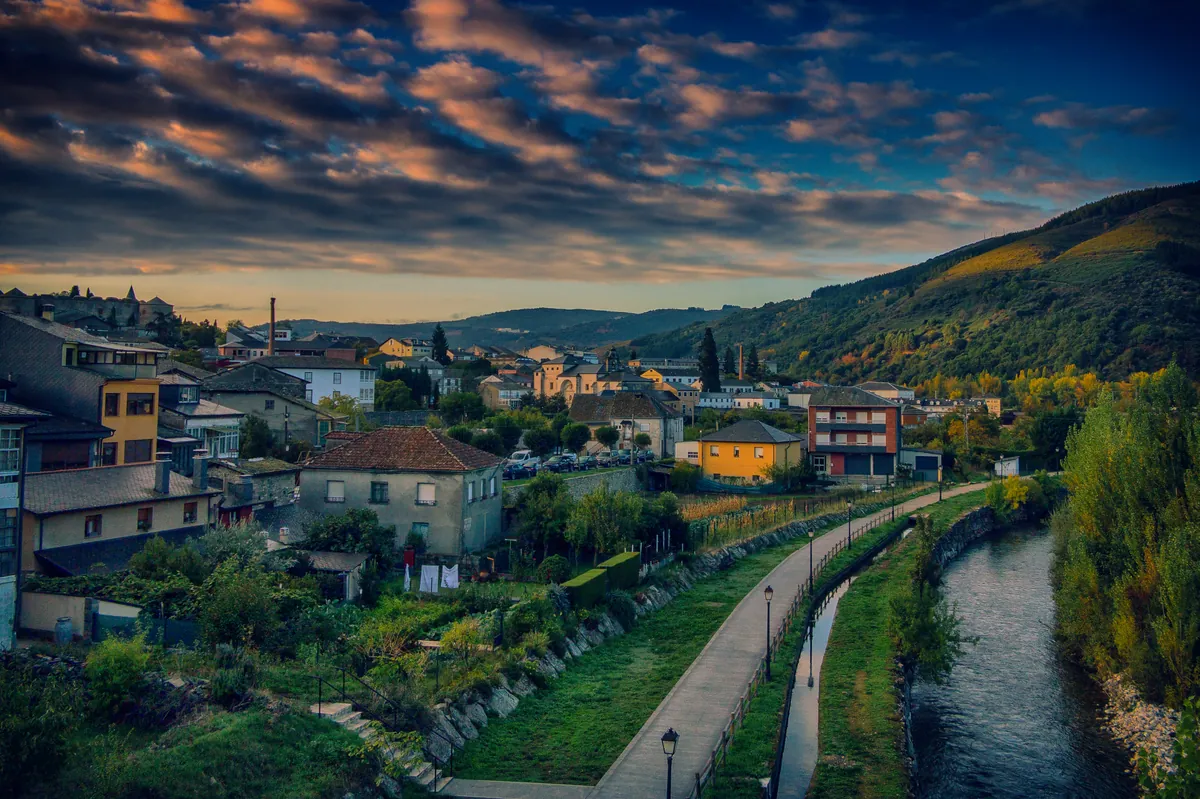
Ahí está parte de su gracia. Son paseos donde lo único importante es el ruido de tus propios pasos y ese silencio denso que se instala cuando no pasa nadie por la carretera. Si ganas algo de altura, el valle se abre: no son miradores espectaculares, pero te dan una idea clara de cómo se ordena este Bierzo alto—huertas, bosque y pueblos pequeños mezclados sin plan maestro.
Comida para reponer fuerzas
La cocina aquí va acorde con el clima y con el tipo de trabajo que hubo. Es contundente y sin complicaciones. El cocido berciano manda en las casas cuando hay ocasión—una olla seria con verdura, embutido y varios tipos de carne.
También hay trucha del río cuando toca, pimientos asados y guisos que apetecen más según se acerca el frío. No hay elaboraciones rimbombantes; es la comida de siempre, la que se ha hecho en las cocinas bercianas generación tras generación.
Para moverte por los pueblos de alrededor
Torre funciona bien como base si tienes coche y quieres explorar esta parte del Bierzo alto. En diez minutos estás en otros pueblos pequeños o metido entre sierras arboladas.
Son rutas tranquilas, del tipo “paro si me llama algo y sigo si no”. Encaja con la zona: no hay grandes reclamos turísticos peleando por tu atención, pero hay una historia reciente muy palpable para quien quiera fijarse.
Al final, venir a Torre del Bierzo es como visitar el pueblo del amigo al que no ves hace años. No hay nada montado para entretenerte, pero si te adaptas a su ritmo—más lento que en la N-VI—acabas entendiendo cómo se ha vivido aquí durante décadas. Y en esta comarca, eso a menudo cuenta más que cualquier fachada restaurada