Full Article
about Vega de Valcarce
A quintessential Jacobean valley before O Cebreiro, dominated by the castles of Sarracín and Veiga.
Ocultar artículo Leer artículo completo
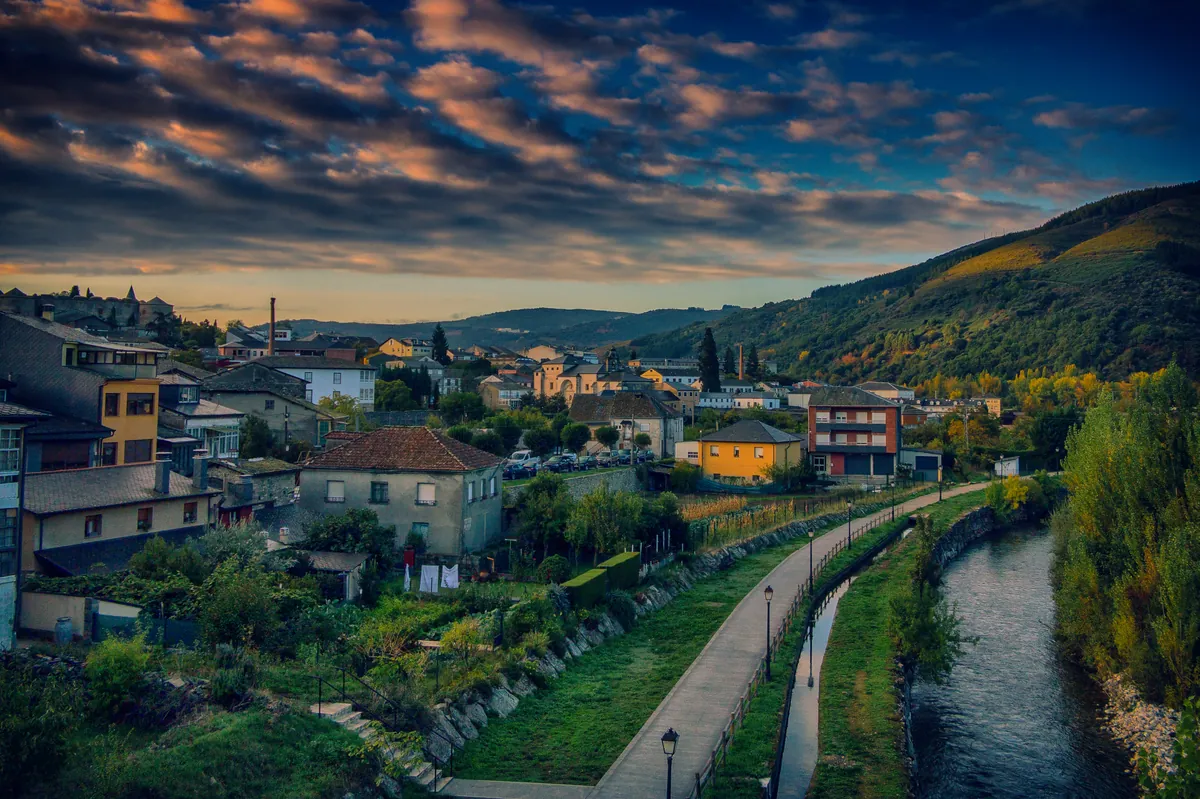
The river Valcarce squeezes through a limestone throat just before Vega, and the sound carries up to the church square. Stand there at dawn and you'll hear two kinds of traffic: the Camino de Santiago's early risers clicking their poles over the medieval bridge, and the village baker's van rattling downhill to deliver bread still hot from Villafranca. Both have been making this same journey for centuries, only the footwear has changed.
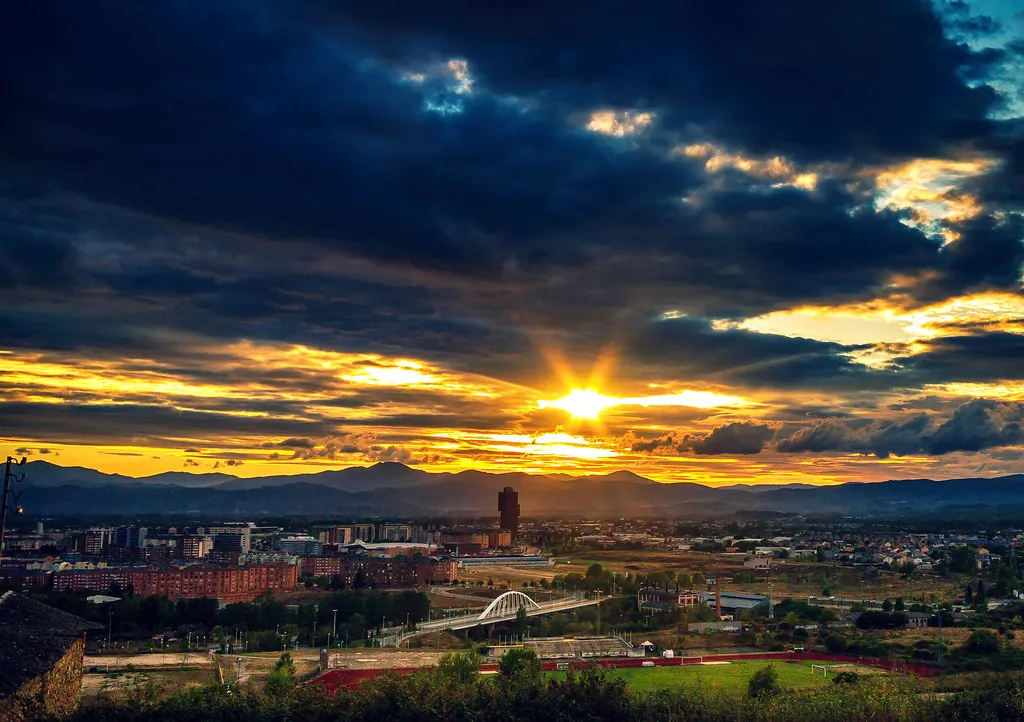
At 630 metres above sea level, Vega de Valcarce is the last proper apology of flat ground before the path vaults into Galicia. The valley walls close in so tightly that the sun leaves the high street before six o'clock on winter afternoons, yet the micro-climate stays mild enough for chestnuts to outnumber oaks. Five hundred-odd residents live strung along seven kilometres of single-track road, their stone houses painted the exact shade of wet slate. It feels less like a municipality than a string of hamlets sharing a postcode and a stubborn refusal to hurry.
The Castle that Lost its Job
A fifteen-minute calf-burner above the albergue, the Castillo de Sarracín keeps watch even in retirement. What remains is less castle than jagged idea: two walls, a staircase to nowhere, and foundations so fused with bedrock you wonder where the geology ends and the masonry begins. The Moors were never here—the name is a Castilian muddle—but the fortress did spend four hundred years taxing anyone who wanted to leave León for Galicia. These days it taxes only your lungs, and the payment is a 360-degree receipt of oak scrub, slate roofs and the A-road threading the valley like an afterthought. Take the path behind the cemetery; trainers are fine in dry weather, but the final scramble wants proper tread.
Down in the village proper, the church of Santa María Magdalena squats over a pre-Roman spring. Inside, a fifteenth-century fresco of St Christopher carries a tiny pilgrim dressed in what looks suspiciously like a Sunderland football shirt—proof that traveller graffiti is hardly a new invention. The font still fills with the same iron-heavy water that bubbles up beside the bridge; locals swear it prevents blisters, then sell you a plastic bottle for fifty cents with a shrug that says believe what you like.
Hamlets that Refuse to Be Photogenic
Ruitelán, two kilometres upstream, has houses so close to the water that winter floods park themselves in the front room. The council's answer was not flood barriers but a communal barbecue slab on stilts—if you can't beat the river, grill on it. Ambasmestas keeps a working forge where a Belgian blacksmith now makes garden gates for expats in Alicante; he opens Tuesdays and Thursdays, provided the river hasn't stolen his electricity again. Las Herrerías, last stop before the notorious climb to O Cebreiro, is essentially one long lay-by with three bars competing for the title of Best Tortilla on the Camino. The winner changes nightly, depending on who has eggs left.
None of these places will win Spain's tidiest village award. You'll see satellite dishes propped against hay bales, and the occasional barn roof held down with a tractor tyre. That is precisely their appeal: no heritage committee has airbrushed the contradictions. A house may sport a brand-new heat-pump while its neighbour still dries chestnuts upstairs and keeps pigs downstairs. The smell is honest—wood-smoke, damp straw, and in October, the sweet rot of chestnut husks that carpet every path.
Eating Like Someone Who Has a Hill to Climb
Forget tasting menus. Gastronomy here means plates that weigh more than your rucksack. Botillo, a local pork parcel the size of a rugby ball, arrives with cachelos (chunky boiled potatoes) and enough paprika to stain your cutlery for days. Vegetarians get a look-in with lacón con grelos—but ask for the greens without the ham hock or you'll be picking pig off your cabbage for an hour. Arrocería Español, opposite the bridge, does a creditable mixed paella for €12 and will bag the leftovers for tomorrow's picnic if you're too polite to finish. Bar Veis keeps British stomachs in mind: toasted sandwiches, yoghurt, and coffee that isn't an espresso thimbleful. Order the postre de castañas—a chilled chestnut mousse—then try to persuade the waiter it counts as one of your five-a-day.
Supplies matter. The village supermarket shuts from two until five, and the nearest cash machine is twelve kilometres back in Villafranca. Top up before you arrive; contactless works in the bars, but the bakery is strictly cash only. If you need a pharmacy, pray it's not Sunday—stock up on plasters and ibuprofen while you can; tomorrow's 600-metre climb to O Cebreiro has ended many a Camino friendship.
Walking Without a Passport to Santiago
You don't need a scallop shell to use these paths. A two-hour circuit starts at the church, follows the Camino waymarks upstream to Ruitelán, then cuts back on a forestry track through sweet-chestnut plantations that once paid the rent instead of wine grapes. The route is way-marked by yellow paint that fades to optimism every autumn; download the free Wikiloc file before you set off because mobile coverage dives into the river whenever it feels like it. October delivers ochre leaves and the distant thud of chestnut collectors beating trees with long canes; spring brings orchids and the realisation that every verge is somebody's vegetable patch, complete with hand-written sign threatening "respect my garden or else".
Serious walkers can continue to the medieval hospital ruins at La Faba, an extra 400 metres higher, then drop back to Vega by the Roman road that predates both the Camino and the castle. Allow five hours, carry water, and remember that weather in the valley is a poor predictor of conditions on the ridge—Galicia's rain shadow can turn a misty morning into a sleet-laden slog without warning.
When to Turn Up, When to Turn Round
April and May bring green so bright it feels like someone has turned up the saturation. Accommodation is plentiful but book ahead if Easter falls late; Spanish school groups treat the Camino like a national youth hostel chain. September offers settled weather and chestnuts ripening within arm's reach of bedroom windows, though the village fiesta in mid-August means fireworks until two and a temporary bar that sells plastic cups of wine for a euro. Worth it if you like folkloric dancing; avoid if you need eight hours' sleep before tackling O Cebreiro.
Winter is quiet, sometimes too quiet. Snow closes the mountain pass every couple of years, and the one evening restaurant becomes weekend-only. Yet the valley under frost has its own reward: mists lift to reveal slate roofs iced like Christmas cake, and the baker's van leaves tyre tracks that stay all day because no one else is moving. Come then if you want the sound of the river to yourself; just pack a waterproof and a sense of self-reliance.
Leaving Before the Siren Call of the Road
Stay a night, maybe two. Use the second to walk the valley floor, buy a string of chestnuts from the old woman who sells them outside the albergue, and listen to the Camino bell clang as another set of boots heads west. Then leave while the place still feels accidental rather than essential. Vega de Valcarce does not shout for attention; it merely waits, as it has since the first toll collector climbed the castle rock, ready to charge you nothing more than the effort of getting here.