Full Article
about Baltanás
Capital of the Cerrato palentino, known for its underground wine-cellars district, declared a BIC; a lively town with rich cuisine and heritage.
Ocultar artículo Leer artículo completo
The earth around Baltanás is riddled with holes. Not molehills or rabbit warrens, but proper man-made tunnels—more than three hundred wine cellars dug into the clay slopes that ring this Castilian village. Stand on Calle de las Bodegas at dusk and you’ll see clay chimneys poking from the hillside like periscopes, each one marking a cellar twenty metres below your feet. The locals call them zarceras; they vent the constant 12 °C air that keeps wine steady through summer heat and winter frosts.
At 780 metres above sea level, Baltanás sits high enough for the meseta’s vicious winters—night temperatures drop to –8 °C in January—yet low enough to bake at 34 °C come July. The altitude matters: it means crisp, star-loaded nights even in August, and a sharp wind that strips away humidity. Bring layers whatever the season; the same cloudless sky that draws hikers in April can plaster the fields with frost by October.
Underground map, overground calm
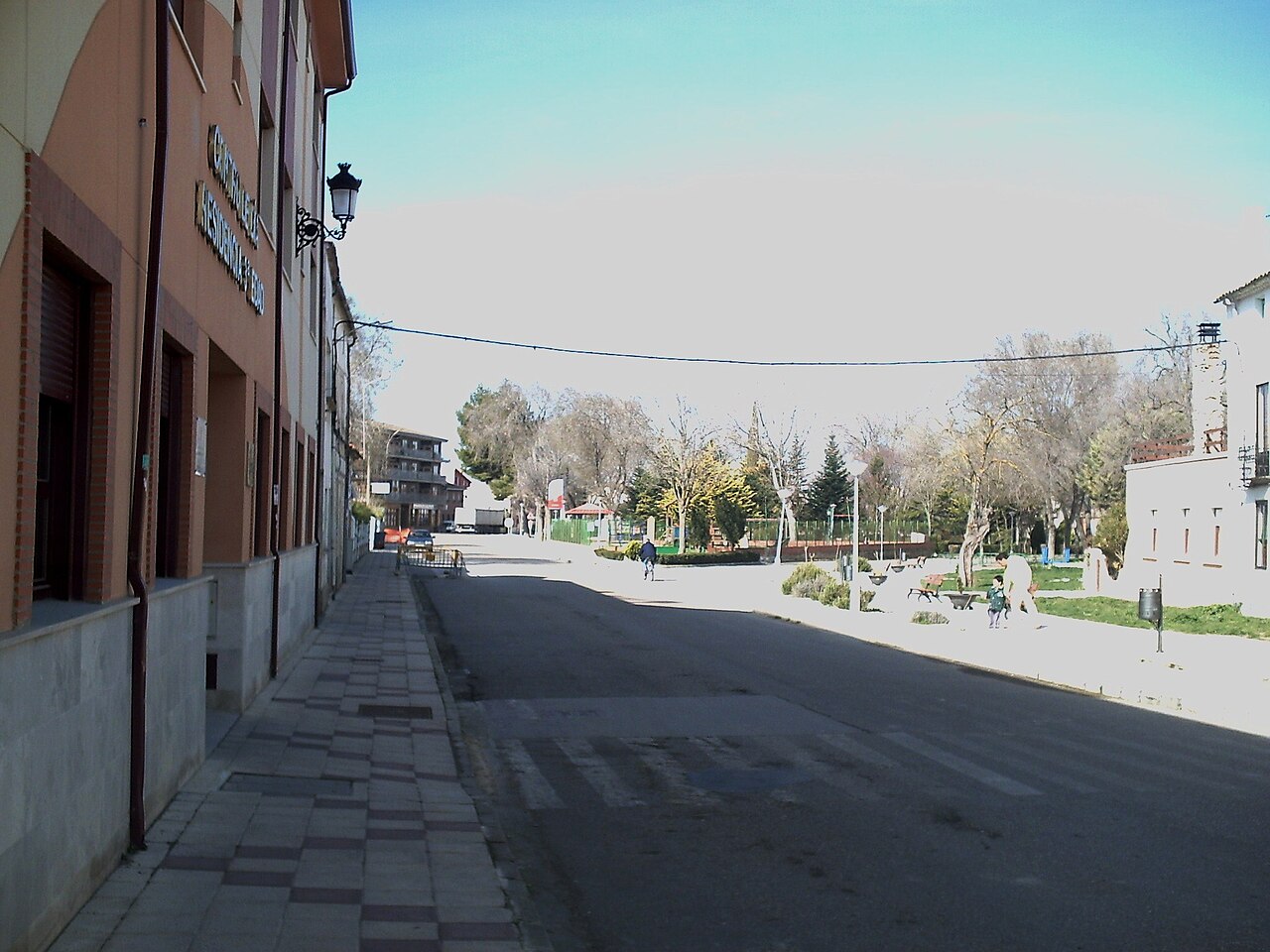
Start in the Barrio de Bodegas, a five-minute walk uphill from Plaza de España. The lanes are barely two cars wide, lined with soft-coloured adobe that absorbs the afternoon glare. Most cellars are locked—families still use them—but three are opened for guided visits (€5, Saturdays at 11:00 and 17:00, Sundays at 11:00; book at the tiny tourist office beside the church). Inside, the clay walls are soot-blackened from centuries of oil-lamp smoke; the floor slopes so barrels could be rolled in without lifting. The guide explains how a single extended family would dig a new chamber every generation, clawing out the hill like termites. Listening to him, you realise the village is essentially hollow.
Above ground, life is quieter. The 16th-century Iglesia de San Millán squats at the top of the rise, its Renaissance tower visible for miles across the cereal plain. The interior is barn-plain apart from a gilded Baroque altarpiece rescued from a closed monastery in 1835. Drop a euro in the box and the sacristan will switch on the lights long enough to spot the cherubs pulling faces among the vines carved into the wood.
Walking the cereal sea
Three way-marked trails start from the cemetery gate. The shortest—Ruta de las Bodegas, 4 km—loops the hill past ventilation chimneys and ruined field shelters. The longest heads south to the abandoned village of San Felices, 12 km across a landscape that looks unmoved since the Reconquista. There is no shade; carry water, a hat, and someone’s mobile number—phone reception vanishes in the valleys. Spring brings calendula and blood-red poppies among the wheat; autumn smells of thyme and damp clay after the first rains. In July the paths crunch with stubble and the air shimmers; start early or you’ll bake.
Food worth the siesta interruption
Bars close the kitchen from 14:30 to 20:00—plan lunch for 13:30 or you’ll go hungry. On Calle Mayor, Casa Macario serves lechazo (milk-fed lamb) roasted in a wood-fired clay oven until the skin crackles like pork. A quarter-kilo portion feeds two modest appetites (€24); add a plate of morcilla de Burgos (rice-black pudding) and a glass of local clarete—a pale, almost rosé red that tastes somewhere between Beaujolais and Ribera. Vegetarians get sopa castellana—garlic broth with poached egg and stale bread, smoky with pimentón—and queso de Burgos, a mild, crumbly cheese that even children eat by the slab. Pudding is usually skipped; instead order ponche, an egg-yolk and almond custard served in a pool of caramel. Coffee comes with a thimble of house anisette; polite refusal is accepted, but the barman will look disappointed.
Don’t expect dinner: most kitchens shut by 22:00. Stock up before 20:00 or you’ll be making sandwiches with breakfast leftovers. There is no supermarket in the old centre—just a tiny ultramarinos on Plaza de España that sells tinned tuna, sliced chorizo and UHT milk. Cash only; the nearest ATM is 3 km away on the industrial estate.
Getting here, getting out
Baltanás sits midway between Santander and Madrid, which makes it a logical overnight if you’re driving south from the ferry. From Santander airport it’s 110 km on the A-67 and CL-626—smooth, empty roads where you’ll share the tarmac with lorries full of pigs and the occasional pilgrim cycling to Santiago. Allow 90 minutes; fog on the cerrato plateau can drop visibility to 50 metres in winter. There is no train station. Buses from Palencia (35 km) run twice daily on weekdays, once on Saturday, never on Sunday; the timetable is optimistic, so treat departures as theoretical.
Parking is free on Plaza de España but fills early with delivery vans. Arrive after 09:00 and you’ll be squeezing into a side street where the pavement is really just compacted earth. Saturday is market day—one fruit lorry, one hardware stall—so every space is taken by 08:30.
When to bother, when to skip
Come in late April for the Romería de San Torcuato, when half the village walks 8 km to a ruined Visigothic chapel, accompanied by a brass band and a donkey loaded with wine skins. Or turn up mid-September for the fiestas of San Millán: processions, paella cooked in a three-metre pan, and improvised discos inside the larger cellars. August is hot and half the houses shuttered; their owners are at the coast. January is brutal—daytime highs of 4 °C and a wind that slices through Barbour jackets. The cellars stay open, but you’ll have them to yourself and the guide will hurry back to the fire.
British visitors tend to treat Baltanás as a punctuation mark between Cantabria and the south. That’s sensible: a night here breaks the eight-hour slog to Madrid and gives you a story about drinking wine underground. Stay longer only if slow villages, empty paths and the smell of clay and tostón (roast lamb) feel like holiday rather than hardship. Otherwise fill up the tank, photograph the chimneys, and roll on before the siesta shutters clatter down.


