Full Article
about Cordovilla la Real
A town with royal history; noted for its medieval bridge and church; close to the highway yet still quiet.
Ocultar artículo Leer artículo completo
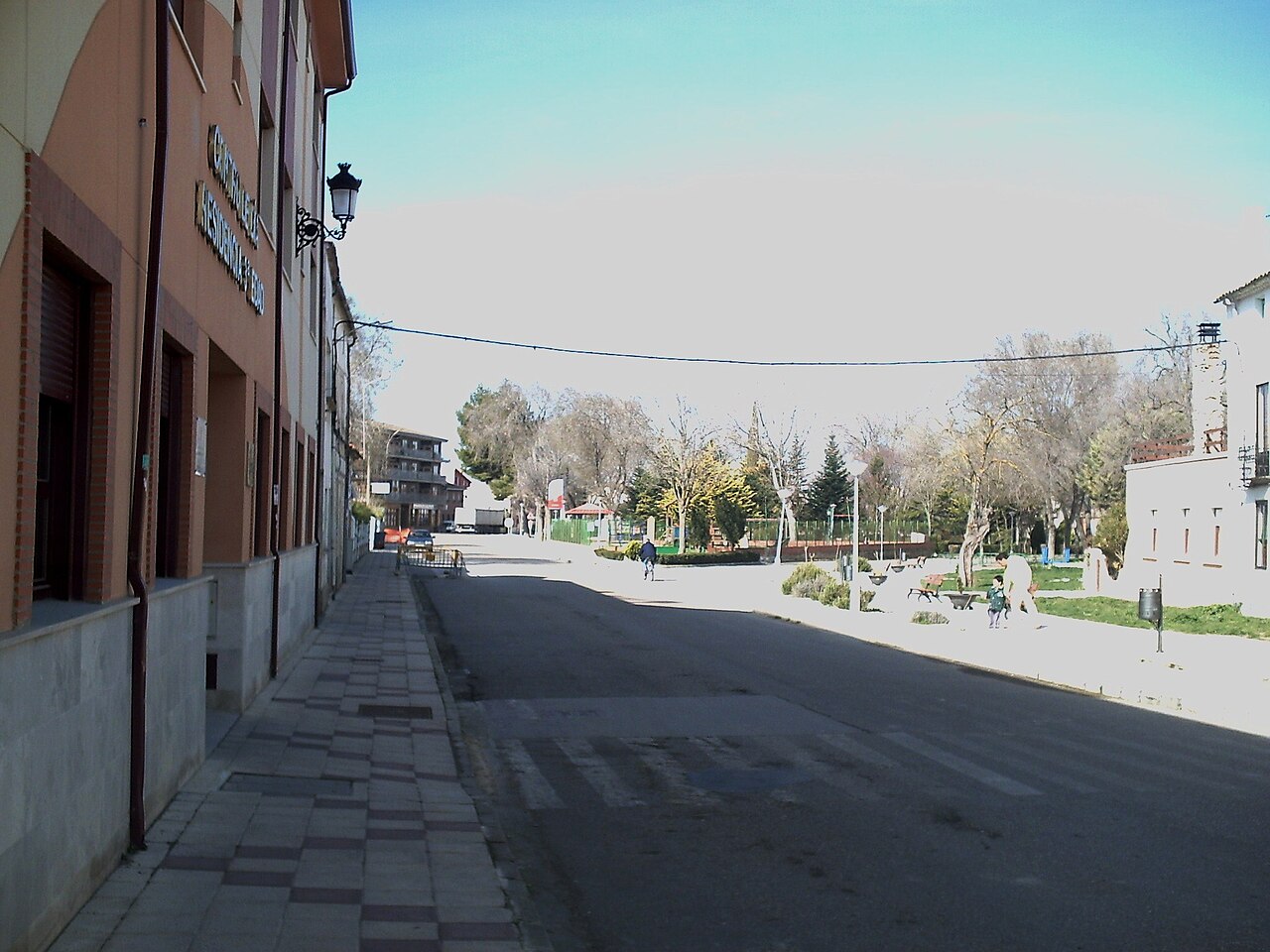
The church bell strikes noon, and the only other sound is wheat brushing against itself in the breeze. Cordovilla La Real doesn't announce itself—it's simply there, a cluster of adobe walls and terracotta roofs that has watched over the same horizon since the Middle Ages, when that "Royal" suffix first appeared in Castilian charters.
The Slow Geography of El Cerrato
Drive forty-five minutes north of Palencia city and the land begins to breathe. Not dramatically—this is not mountain country—but in long, steady waves that roll northward toward the Cantabrian foothills. The province calls the region El Cerrato, a transition zone between the high plateau of Castile and the greener, wetter north. At 850 metres, Cordovilla sits high enough for the air to carry a snap, even in July, and for the night sky to feel vaulted and close.
The village tracks the cereal calendar. Green shoots in April, waist-high gold by late June, stubble burning in August, then the patient wait for autumn rain. Locals still use the old word barbecho—fallow—to describe both fields and years when nothing much happens. Walking the unmarked farm lanes that spider out from the single main street, you sense the appeal of that rhythm: work, silence, horizon, repeat.
What Passes for Sights
San Andrés, the parish church, squats on its stone plinth like a weathered keeper of accounts. The tower is 16th-century, the nave newer after a roof collapse in 1924. Inside: a polychrome Pietà whose paint is flaking in exactly the way restorers hate, and a baptismal font older than any resident can claim. The door is normally unlocked; if not, the key lives with the sacristan's sister two houses down—knock twice.
Round the back of the church, an alley narrows to the width of a mule cart. Here the building material is tapial—chalky earth rammed between boards—and the walls bulge comfortably with age. Some have been re-skinned in cement and pastel paint, but enough originals survive to show how the place once looked, when every house grew out of the ground it stood on.
There are no interpretation boards, no ticket desks, no gift shop selling fridge magnets. Instead you get details to notice: a wooden lintel carved with the year 1782, a cellar door scooped out of the hillside, a threshing circle now used as an unofficial car park. Bring curiosity, not a checklist.
Walking the Blank Spaces
Maps of El Cerrato are half empty on purpose. The region's footpaths are farm tracks maintained by tractors, not tourism boards. That said, three usable routes start from the north edge of Cordovilla:
- A 4-kilometre loop to San Juan de Carrascal, a hamlet that shrank to one inhabited house and a working well. Expect larks overhead and, in May, a river of yellow cowslips along the verge.
- An 8-kilometre out-and-back following a cattle drift to the ruins of an 18th-century limekiln. Sunset light here turns the cereal ocean bronze, shadowed only by circling kestrels.
- A longer 14-kilometre link to Barruelo de Santullán, doable by bike or on foot, passing three semi-abandoned threshing floors perfect for a picnic of bread, cheese and whatever fizzy water you remembered to pack.
None are way-marked; download the IGN raster map before leaving Palencia, and close every gate behind you. The reward is silence so complete you can separate wind through barley from wind through oak.
Eating (and Drinking) Like You Mean It
Cordovilla itself has no bar, no restaurant, no Sunday pop-up. The last grocer shut in 2013. Plan accordingly: bring supplies, or drive ten minutes to neighbouring Aguilar de Campoo where Marqués de Aguilar hotel does a respectable lechazo—milk-fed lamb roasted in a wood-fired clay oven—and local cider on tap. Breakfast is included; strong coffee and churros arrive at the table faster than seems probable in this part of Spain.
If you prefer to self-cater, stock up in Palencia before you head north. Buy mature Queso de Barros from the Saturday market (€14 a kilo), a loaf of village-style bread with the burnt blister still attached, and a bottle of Arlanza crianza—Cordovilla sits just inside the eastern edge of this under-rated denomination. Eat on the church steps at dusk; the bench is perfectly angled for watching swifts stitch the sky.
Why You Might Leave Early (and Why You'd Come Back)
Let's be frank: infrastructure is thin. Public buses appear twice a week, on Tuesday and Friday, timed more for medical appointments than leisure. Phone signal drops to Edge in bad weather. Summer heat can hit 35°C with zero shade along the lanes, while January mornings start at –4°C and a wind that knows your name. There is no swimming pool, no paddle court, no festival programmed for the convenience of visitors.
What the village offers instead is antidote. A chance to calibrate your internal clock against something older than Wi-Fi. To remember that horizons can be horizontal, not vertical, and that the smell of dry straw is a legitimate form of entertainment. Stay a single night and you'll leave before breakfast; stay three and you'll start judging cities by how little sky they allow you to see.
Come in late May, when the wheat is green-gold and the air smells of orange blossom from scattered gardens. Or choose mid-September: harvest finished, stubble burning in controlled squares, the first starlings rehearsing their winter murmurations. Either season, pack a hat, sturdy shoes, and enough water to walk further than you intended—because out here, the path that looks like it leads nowhere very often does, and that's precisely the point.