Full Article
about Cubillas de Cerrato
Small Cerrato municipality; noted for its church and traditional local architecture; surrounded by farmland and pasture.
Hide article Read full article
A quiet corner of southern Palencia
Early in the day, when mist still sits low over the fields of the Cerrato, Cubillas de Cerrato makes almost no sound. A blackbird might perch on a roof, and the wind brushes the cereal crops when the season allows, but little else breaks the stillness. With around 60 registered residents, this small settlement in the south of the province of Palencia is surrounded by gently rolling hills where the horizon always feels far away.
Reaching the village means accepting the rhythm of rural life. There is no traffic to speak of and no shop windows competing for attention. The dominant colours come from the soil itself and from fields that shift with the seasons.
Adobe streets and quiet façades
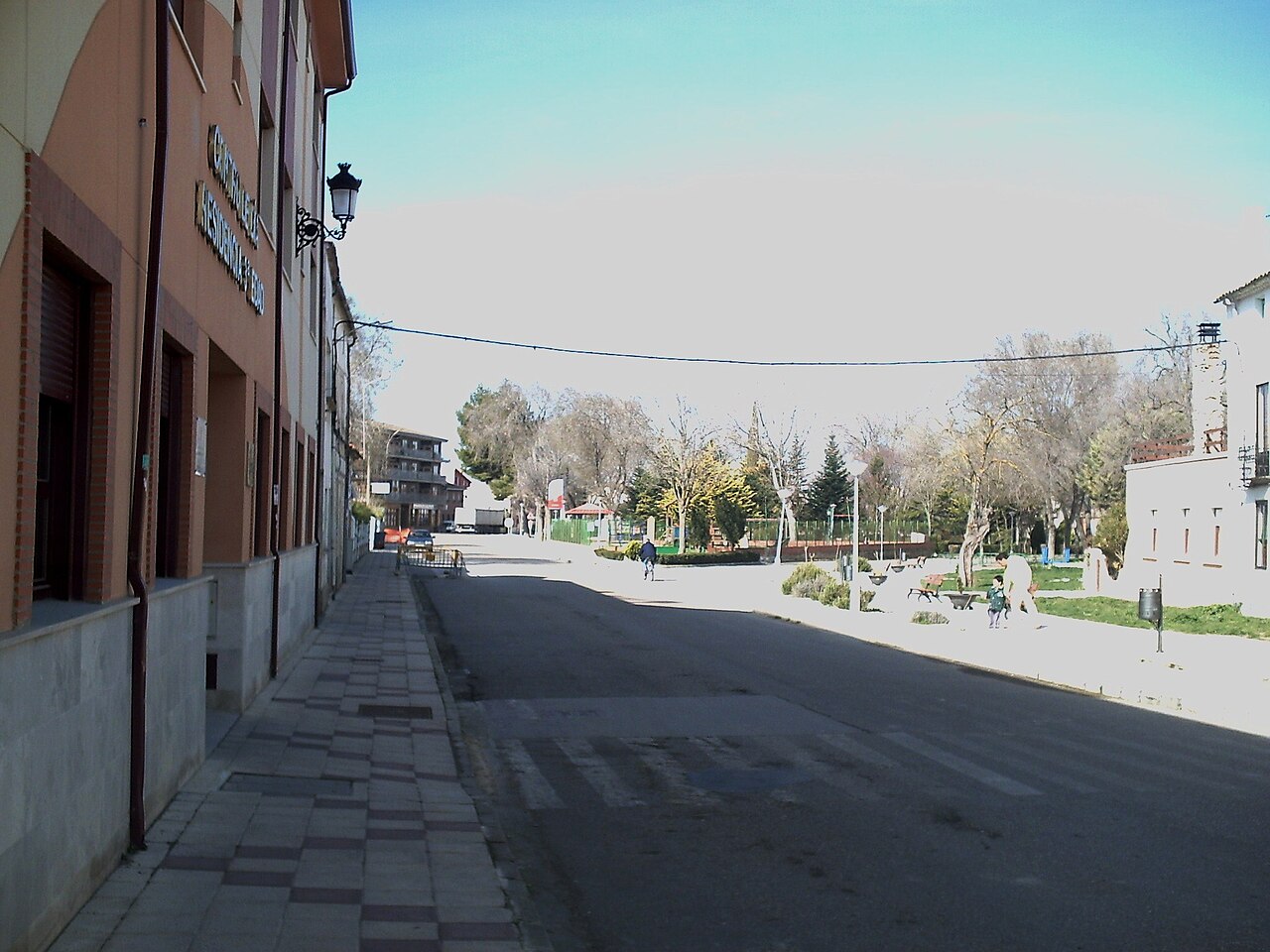
The layout is simple, with just a handful of streets and no sense of complication. Low houses built from adobe, some reinforced with stone, line the way. Wooden gates creak as they open, and the façades carry the marks of time, where sunlight reveals cracks and layers of old whitewash. The place feels built for working the land rather than for display.
The parish church of Santa María stands out as the most prominent building. From the outside, its solid volumes are clear, along with small details at the corners of the stonework. In the late afternoon light, these features gain depth and texture. Like many churches in small villages, it is not always open, so most visits involve viewing it from outside before continuing along the street.
Traces of working life: cellars, yards and dovecotes
A slow walk through the village brings small details into focus, each one tied to everyday life over generations. There are corrals dug into the ground, storage spaces attached to houses, and the occasional semi-buried cellar where the year’s wine was once kept.
Dovecotes also remain, some intact and others partially collapsed with time. These structures are typical of the Cerrato region. From a distance they appear as simple adobe cylinders. Up close, rows of small openings become visible, once used by nesting pigeons, along with the earthy texture of the walls.
The Cerrato landscape beyond the village
A short walk along any of the tracks leading out of the village reveals the wider setting. The Cerrato is made up of a succession of gentle hills covered in cereal crops. Spring brings an almost continuous green. Summer turns the land a strong gold. After the harvest, ochres and greys take over, shifting subtly under the wind.
There are no marked viewpoints. The landscape is experienced by walking along agricultural tracks, with a strong sense of openness in every direction. At sunset, when the sun drops low over the hills, the light turns orange and long shadows stretch across the stubble.
Birdlife is part of this environment. Kestrels and harriers can often be seen gliding above the fields, so binoculars can be useful for those interested in watching them.
Paths linking the Cerrato villages
Rural tracks extend from Cubillas towards other villages in the comarca. These routes are straightforward, with very little change in elevation, and they are used mainly by farmers. Walking along them is simple as long as one basic rule is respected: cultivated fields are not footpaths.
Wind plays a noticeable role in shaping the experience. It is a common feature across these hills, and on blustery days the feel of a walk can change considerably. Warmer clothing is advisable even outside the winter months.
Eating in the area
Cubillas de Cerrato does not have bars or restaurants. Anyone looking to eat will need to head to nearby villages or to larger towns within the comarca.
Across the area, the food reflects its agricultural roots. Dishes often feature local legumes, roast lamb, and cured meats. Wines are produced in nearby areas of southern Palencia and northern Burgos, and they commonly accompany these meals, especially in colder weather.
When to go
Spring and early autumn tend to be the most pleasant times to explore the paths of the Cerrato. Summer brings strong sun and very little shade across the open fields.
Visitors arriving by car will usually find it easy to park along the village streets. Care is needed not to block agricultural access, as tractors continue to move in and out on a daily basis.