Full Article
about Espinosa de Cerrato
Village at the eastern edge of Cerrato; known for its traditional architecture and parish church; quiet setting.
Ocultar artículo Leer artículo completo
The tractor starts at 6:47 am. Not that anyone's counting. It's simply the first noise of the day in Espinosa de Cerrato, a village where the morning routine hasn't shifted much since the 1950s. At 860 metres above sea level, the air carries a snap that makes you reach for a jumper even in July, and the only traffic jam involves three sheep and a farmer who'd rather chat than hurry.
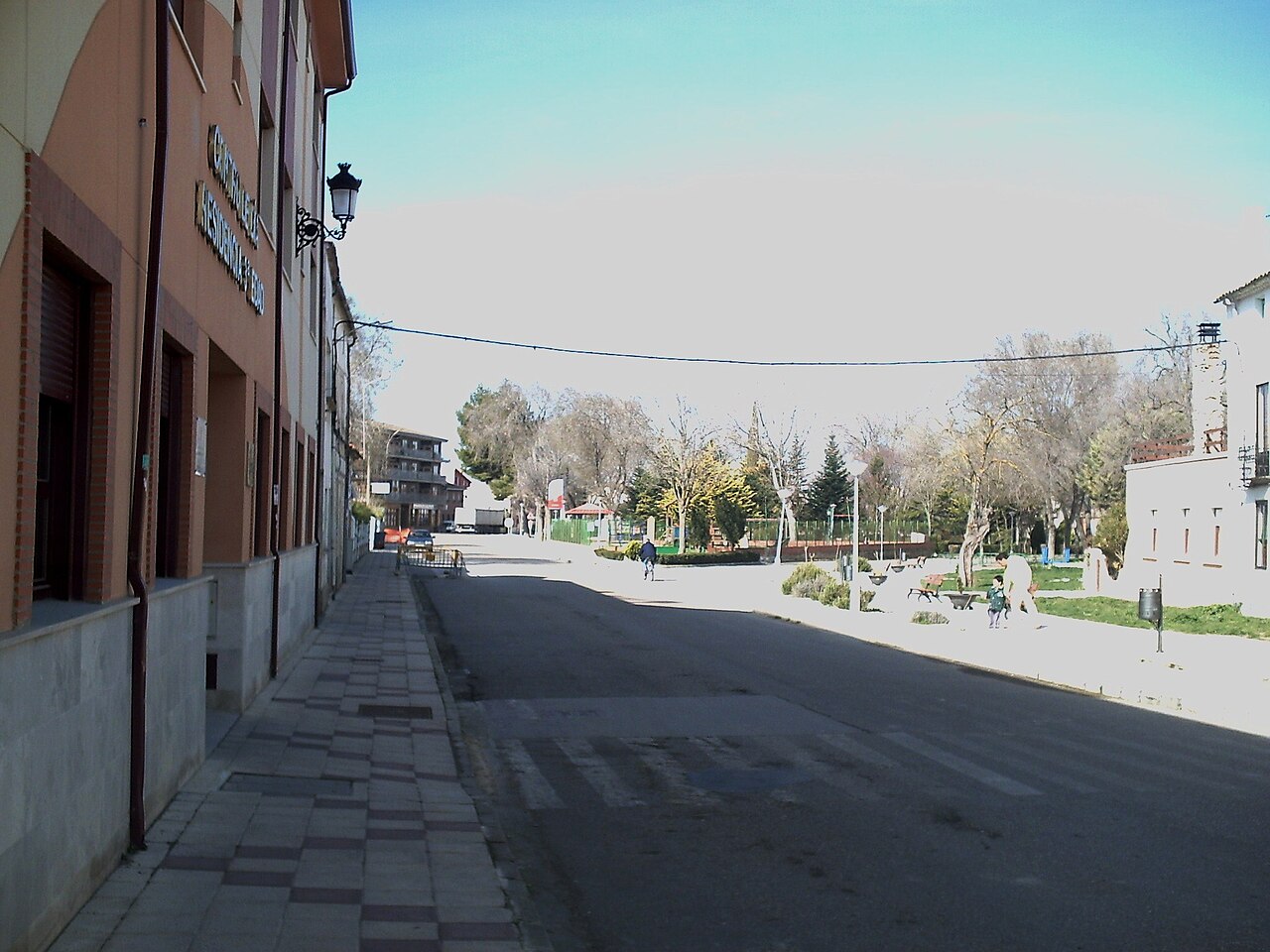
This is Spain stripped of flamenco posters and sangria fountains. The province of Palencia keeps Espinosa tucked away in the comarca of El Cerrato, a region of rolling cereal fields that turn from emerald to biscuit-brown depending on the month. The village headcount hovers around 110 souls, though numbers swell in August when descendants of former residents return for the fiestas, doubling the population overnight.
Stone houses with timber beams line lanes barely two metres wide. Adobe walls, thick enough to keep interiors cool in summer and warm in winter, show patches where the render has fallen away like old scabs. Many front doors stand ajar; inside, you glimpse low ceilings, dark timber beams, and the flicker of morning television. There's no tourist office, no gift shop, and the nearest cash machine sits twelve kilometres away in Osorno la Mayor. Bring euros.
The Church That Outlasted Boredom
The parish church of Espinosa won't make the cover of glossy Spanish travel magazines. Its squat tower and modest façade owe more to practicality than grandeur, yet the building anchors village life. Sunday mass at 11 am still draws a decent crowd, and the cemetery adjacent tells the local story: generations of Garcías and Hernándezs, a cluster of British surnames from the 1990s when a few retirees tried village life, then left after two winters.
Step inside and the temperature drops several degrees. The interior smells of wax and old stone. A side chapel holds a 17th-century Virgin whose robe has faded from royal blue to slate grey. There's no entry fee, no multilingual audio guide, and if the door happens to be locked, ask at the house opposite—María José keeps the key and will open up if she's finished baking.
Beneath some houses lie bodegas subterráneas, cave-cellars dug into the rock. These once stored wine made from small vineyards scattered across the hills. Most are private now, though if you buy a bottle from the family-run grocer on Calle Real, they might lift the metal hatch and show you the hollowed-out chamber beneath their kitchen. Temperature holds steady at 12 °C year-round, perfect for the sharp young white wines that never travel beyond the province.
Walking Country Without the Waymarkers
Espinosa sits on a plateau riddled with agricultural tracks. These caminos veer off between wheat fields, skirt threshing circles, and connect to neighbouring villages five or six kilometres away. The going underfoot is firm limestone; after rain the surface turns the colour of digestive biscuits and sticks to boots. No National Park rangers patrol here, and the only safety briefing comes from your common sense: carry water, start early, and remember that the siesta means nothing opens between 2 pm and 5 pm.
A circular route south-east leads to the hamlet of Tabanera de Cerrato. The path drops into a shallow valley where holm oaks provide the only shade for miles, then climbs past abandoned grain stores built from stone and clay. Allow two hours, plus extra time for photographing the landscape when the late-afternoon sun carves long shadows between the ridges. Spring brings poppies and wild marjoram; by late June the grass is tinder-dry and every footstep raises dust.
Cyclists find the same tracks ideal for gravel riding. Gradient changes rarely exceed four per cent, though the altitude can leave lowland legs puffing. A morning loop linking three villages—Espinosa, Antigüedad, and Loma de Ucieza—covers 28 km and finishes in time for a second breakfast of chorizo bocadillo at the bar in Loma. They open at 9 am, close at 11 am, and won't reopen until evening. Plan accordingly.
Food That Forgives the Calories
The village grocer doubles as the butcher on Thursdays. Order the day before if you want lechazo—milk-fed lamb roasted until the skin crackles like burnt sugar. Locals eat it only on feast days, but they'll sell to outsiders if you ask politely and don't haggle over price (currently €18 per kilo). A smaller portion feeds two when paired with local judiones, butter beans that swell to the size of 50-pence pieces after an overnight soak.
Wine comes from cooperative bodegas in Osorno. Ask for "blanco joven" and you'll receive a litre bottle filled from the stainless-steel tank, costing €2.80. It tastes of green apples and chalk, and at 13 per cent ABV demands respect. No one here talks about tasting notes; they swig, wipe the back of a hand across the mouth, and move on to discussing rainfall.
The only restaurant sits on the main road into town. It opens Friday to Sunday, lunch only, and serves a set menu for €14. Expect soup thick enough to stand a spoon in, followed by roast pork shoulder and a slab of flan drizzled with caramel from a tin. Vegetarians get eggs—scrambled, fried, or in a tortilla—because the chef views pulses as garnish, not mains. Book by Thursday; once the weekend lamb has gone, they close early.
Seasons That Decide for You
Winter arrives abruptly. The first frost usually lands mid-October, and by December the thermometer can dip to –8 °C at night. Snow isn't heavy but lingers in shady corners, turning side lanes into sled runs. Access stays possible thanks to a regional gritting lorry that passes at dawn, yet British visitors used to central heating should note: most village houses rely on wood-burning stoves and thick walls. Renting a cottage means chopping kindling before breakfast.
Spring, from late March to May, brings the most comfortable hiking weather. Daytime temperatures hover around 18 °C, skies stay clear, and the wheat glows emerald after winter rain. Birdlife perks up: hoopoes strut across fields, and short-toed eagles circle overhead looking for snakes sunbathing on stones. This is also when agricultural machinery clogs the lanes; give way to tractors the width of a Bedfordshire lane and you'll be waved at with genuine gratitude.
Summer heat peaks in July and August, touching 34 °C by 3 pm. Sensible residents close shutters after breakfast and re-emerge at 6 pm. If you must walk, start before 8 am and finish by eleven, rewards being an empty landscape and a cafe con leche served at bar temperature—scalding—because no one ices coffee here. Autumn brings harvest, dust, and the smell of straw bales. It's photogenic, but the combine harvesters kick up grit that scratches camera sensors and sunglasses alike.
The Exit Strategy
Leaving requires wheels. No bus serves the village on Sundays; weekday service to Palencia city departs at 7 am and returns at 2 pm, timed for market day, not tourist convenience. Valladolid airport, 95 minutes south-west, offers Ryanair flights to London Stansted three times a week in summer, less often in winter. Bilbao, two hours north-east, has more frequent UK links but adds a toll road costing €24 each way. Car hire desks at both airports close at 10 pm sharp; miss that and you'll spend the night in the terminal.
Staying over means either a room above the bar—clean, €35 a night, shared bathroom—or self-catering cottages booked through the regional tourism board. The latter start at €60 nightly, include Wi-Fi that flickers whenever it rains, and provide fireplaces already stacked with a night's worth of logs. Bring slippers; stone floors are cold even in July.
Espinosa de Cerrato offers no souvenir stalls, no flamenco nights, no yoga retreats. What it does provide is a yardstick for how much of inland Spain still lives: early starts, strong coffee, landscapes that change colour like slow-motion traffic lights, and the quiet reminder that somewhere between the wheat and the sky, the modern world hasn't yet bulldozed every routine. Turn up with realistic expectations—plus a phrasebook and a waterproof—and the village will greet you with the same polite curiosity it shows the first swallow of spring.