Full Article
about Herrera de Valdecañas
A Cerrato village with a notable church; noted for its proximity to Palencia and welcoming rural atmosphere.
Ocultar artículo Leer artículo completo
The night air at 780 m slips below 10 °C even in July, and the only light comes from the bar at Villa Ferrera where the landlord is closing up at half-past eleven. Outside, a single streetlamp shows the road out of town turning to dirt within 200 m. This is Herrera de Valdecañas, a Castilian village so small that the supermarket is a cash-only kiosk open four mornings a week and the weekly bread van arrives on Thursdays to honk its horn until someone emerges with a wicker basket.
High-plateau living
The village sits on the northern lip of El Cerrato, a wrinkled tableland that spills across three provinces. From the A-62 motorway it is a 12-minute detour through wheat and almond terraces that feel higher than they look: the altitude knocks the edge off summer heat and can trap snow in April. Winter mornings often start at –4 °C; by midday the thermometer can swing 18 degrees. Pack layers, even in May.
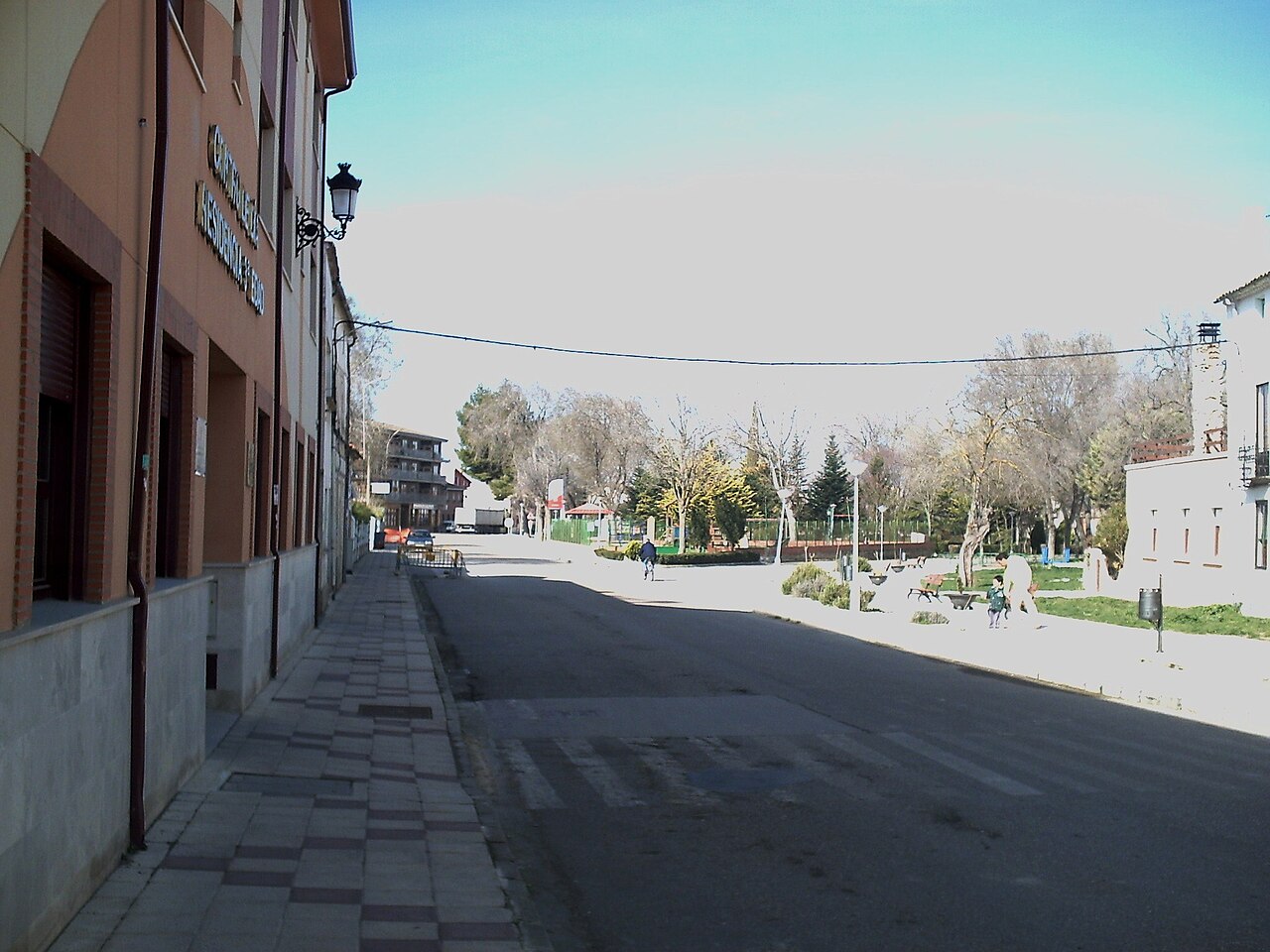
The architecture is mud-coloured and practical. Adobe walls 60 cm thick keep bedrooms cool, while wooden beams show the date 1909 painted in ox-blood red. Half the houses have a square hole in the pavement leading to a family bodega hacked into limestone; most are locked, but the owner of house number 18 will lift the iron hatch if asked and let you peer down the 6 m drop where grapes once fermented in clay tinajas. A faint smell of must still lingers.
There is no formal tourist office. The nearest thing is Loli, who serves coffee in the plastic-screened terrace opposite the church. She will draw walking routes on the back of a lottery ticket and warn you that the castle you can see three kilometres away is actually a ruined grain store tagged with 1990s graffiti. Expect honesty rather than brochures.
Walking without waymarks
Herrera works best as a gentle base for half-day hikes. A web of agricultural tracks links to neighbouring villages—Villahán, 5 km west; San Llorente 7 km east—passing abandoned dove cotes shaped like stone beehives. The gradients are mild, but the surface is loose chalk that turns to paste after rain; trainers are fine in summer, boots essential in February. Mobile coverage drops out 500 m from the last house, so download the IGN Spain map beforehand.
Spring brings the best returns: almond blossom foams along the ridges in mid-March, and skylarks rise from barley stubble. By late June the cereal is waist-high and harvesters throw up dust clouds visible from the bell tower. September is grape season; you can smell the first fermentation from roadside tanks even before you see them.
Birdlife is understated but constant: kestrels hover over the motorway cuttings, and flocks of calandra larks clatter across the vines. Bring binoculars, not a scope—there are no hides and the farmer on the red Massey-Ferguson expects you to step off the track when he passes.
One restaurant, no menu del día
Evening meals happen at Villa Ferrera’s dining room, the only place within 18 km that takes cards. The set dinner is roast lechazo (milk-fed lamb) carved tableside with a house Rioja poured into short glass tumblers. Vegetarians get a plate of pisto—Spain’s answer to ratatouille—plus an apology because the cook’s garden is between seasons. Starters might be migas: fried breadcrumbs laced with pancetta and enough garlic to keep Dracula at bay; ask for “poco ajo” if you plan to speak to anyone afterwards. Price: €22 for three courses, wine included. Book before 16:00 or the ovens stay cold.
Lunch options are slimmer. The kiosk sells tinned tuna, sliced pan de molde and ice-cream bars kept in a chest freezer that wheezes like an old labrador. Picnic is the pragmatic choice; the plaza outside the church has two benches angled to catch midday sun even in December.
If you need caffeine, Bar California in neighbouring Osorno (ten minutes by car) opens at 07:00 for truckers. Their cortado costs €1.20 and comes with a free churro if the delivery driver from Burgos has been generous.
When the village wakes up
August fiestas turn the single street into an outdoor kitchen. Temporary tables appear outside houses that barely see visitors the rest of the year; neighbours who emigrated to Valladolid or Barcelona return with toddlers who speak Catalan. A foam machine rigs up in the plaza at 23:00 and teenagers dance until the generator cuts out. The next morning someone hoses down the square before mass. It is the only week when accommodation sells out—reserve six months ahead if you want a room with air-conditioning.
Semana Santa is the opposite: a silent procession at dawn on Good Friday, hooded penitents carrying one float and a single drum. Temperatures can dip to 2 °C; locals lend visitors blankets stored in mothballs.
Winter itself is quiet. The pool at Villa Ferrera is drained, and swallows vanish from the telegraph wires. What you get instead is the clearest starfield in the province: no street lighting beyond the centre, and the nearest city, Palencia, 45 km away. Wrap up, walk 100 m past the last house, and the Milky Way arcs overhead like a spilled salt shaker.
Getting here, getting out
Ryanair flies Stansted to Valladolid in 1 hr 20 min; hire cars wait outside the terminal. From the airport it is 72 km on the A-62, exit 48, then follow the sign that simply says “Herrera”—ignore the older marker pointing to Valdecañas de Cerrato, a different village 6 km south. Madrid airport adds an extra hour of motorway but usually costs less.
The posada has 12 rooms, a small pool and accepts dogs for €10 a night. Weekends from €85 B&B; weekday rates drop to €65 if you phone directly. There is no ATM: fill your wallet in Palencia or at the BP station on the motorway junction. Petrol pumps close at 22:00.
Trains are impractical: the nearest station is in Osorno, 12 km away, with two services a day to Valladolid and none on Sunday. Buses disappeared in 2011. Without wheels you are hostage to the bakery van.
Worth the detour?
Herrera de Valdecañas will never compete with Segovia’s aqueduct or Bilbao’s Guggenheim. What it offers is a calibration reset: days measured by church bells and nights by starlight, a place where the bakery timetable still matters and where the landlord remembers how you like your coffee on the second morning. Come for two nights, stay three if the forecast promises clear skies, and leave before the silence feels normal.