Full Article
about Hontoria de Cerrato
Small Cerrato village ringed by hills; it keeps traditional architecture and an interesting parish church.
Hide article Read full article
A village shaped by land and light
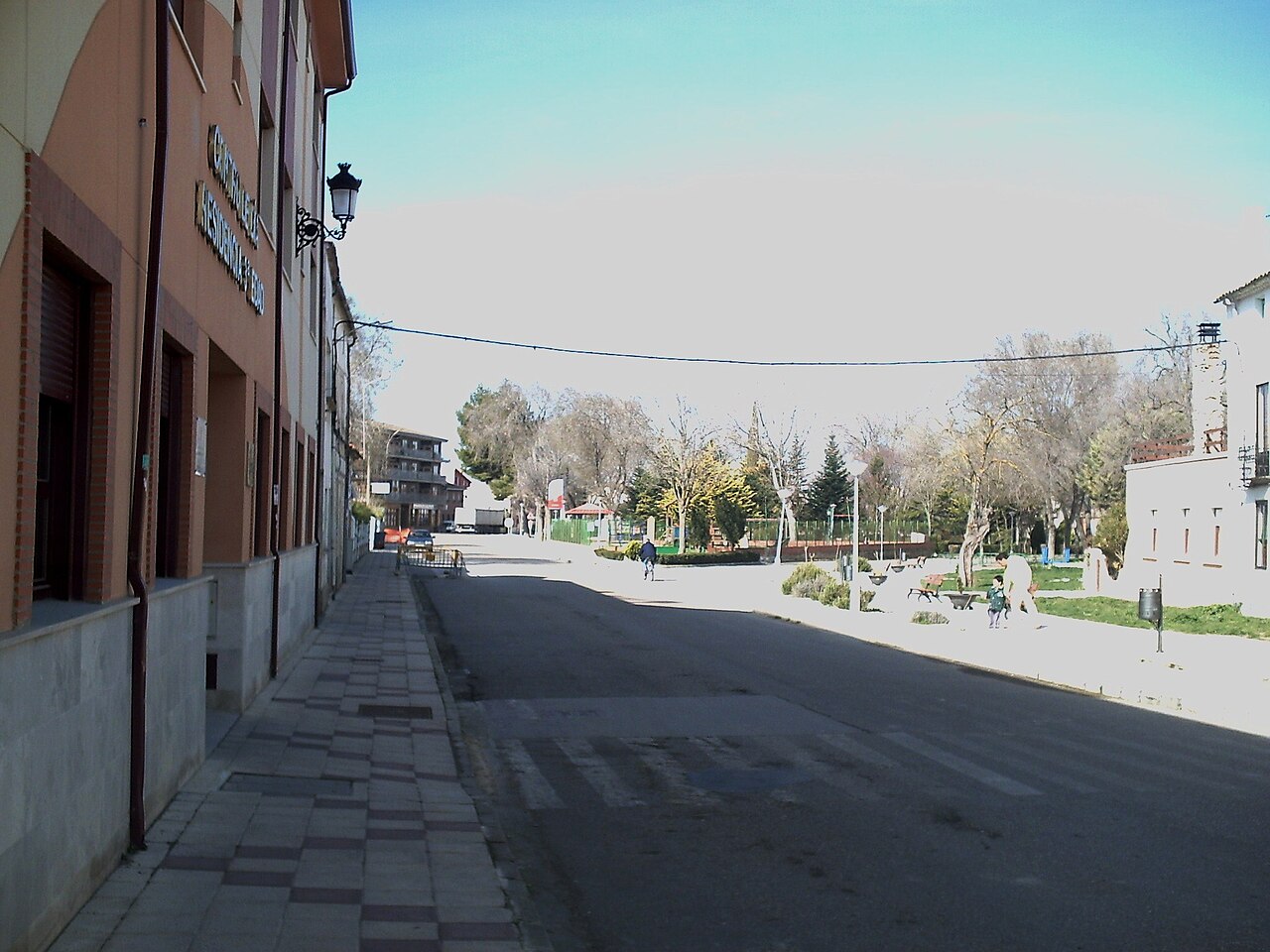
On the edge of the village, on a grey spring day, a morning in Hontoria de Cerrato begins with light slipping through adobe walls and the damp smell left behind by April storms. The streets are almost empty. A door opens slowly somewhere, a car starts with a sharp sound and heads out towards the fields. In this part of the Cerrato region in Palencia, the landscape rolls gently rather than dramatically: soft hills, cereal slopes and long horizons where the wind always seems to be at work.
Hontoria has around a hundred residents. Its name is often linked to old springs, which makes sense in a region where water has always mattered, though today the village is understood more through the land around it than through any visible sources.
Adobe walls and quiet streets
Walking through Hontoria is largely about looking at its walls. Many houses are still built in adobe and rammed earth, with tones that sit somewhere between ochre and grey, shifting depending on the light. Some are carefully maintained, others show fine cracks or repairs made with newer materials. That mix is common in villages where fixes have been carried out over decades using whatever was available at the time.
The streets are short and calm. By mid-morning, the soundscape is simple: a dog barking behind a closed door, the steady buzz of insects when the weather is warm. There are no shops or bars. Daily life happens behind those doors or out on the surrounding farmland.
The parish church appears quickly as you wander. It is a sober building, with different phases of repair visible in both stone and brick. It does not try to impress. It has served its purpose for centuries and remains one of the few places where neighbours still gather on certain dates.
Hillside cellars of the Cerrato
Looking towards the nearby slopes, small doors, vents and low mounds of earth come into view. These are the traditional bodegas of the Cerrato, dug into the ground to keep a stable temperature throughout the year. For generations they were used to make and store wine.
Most are still privately owned and not open to visitors, but even from the outside it is easy to understand how they form part of the landscape. Some doors are painted in bright colours, others almost disappear into the soil and grass.
In summer, especially towards evening, this area tends to come alive a little more. Residents head over to check on their cellars or simply spend some time there once the heat begins to ease.
Paths across cereal fields and open ground
Several agricultural tracks leave Hontoria and stretch out into the surrounding countryside. There are no marked routes or information boards, but it is straightforward to walk by following the dirt paths.
The terrain shifts between limestone hills and plots of cereal, with sunflowers appearing in the warmer months and a few scattered vineyards. In spring, low flowers grow along the field edges; in autumn, the landscape turns drier and more golden.
For those interested in birdlife, these open fields are home to steppe species. Skylarks and quails are often heard among the crops, though spotting them can take patience.
A simple piece of advice fits the setting: in summer, it is best to head out early or wait until late afternoon. Shade is scarce, and the sun in the Cerrato falls directly across the land.
Eating and getting around
There are no places to sit down for a meal or to shop within Hontoria itself. For that, you need to travel to nearby villages or larger towns in the area. The local cuisine typically revolves around pulses, lamb and other produce from the land, solid dishes that suit both the climate and the rural pace of life.
If arriving by car, parking is usually straightforward, either along wider streets or near the entrance to the village.
August and a brief return of movement
For much of the year, Hontoria moves at a very slow pace. In August, that rhythm changes slightly. People who live elsewhere return, and for a few days the village fills with more sound and activity.
There is usually a mass and small events organised by the residents themselves. Nothing elaborate, just long gatherings, conversations in the street and children running across squares that remain almost empty for the rest of the year.
As evening falls and the sun drops behind the hills of the Cerrato, the light softens and the fields fall quiet again. It is a simple landscape, one that makes more sense when you spend time watching how the colour of the earth shifts as the day comes to an end.